How I Calmed My Mind Without Medication: Real Moves That Actually Work
Anxiety doesn’t just live in your head—it shows up in your breath, your shoulders, even how you walk. For years, I felt trapped by constant tension until I discovered movement could be medicine. This isn’t about intense workouts or strict routines. It’s about using simple, science-backed exercises to reset your nervous system. If you’re tired of feeling overwhelmed, what you do with your body might be the key to quieting your mind. The connection between physical motion and mental calm is not imagined—it’s rooted in biology, supported by research, and accessible to nearly everyone, regardless of fitness level or schedule. What follows is not a prescription, but a map of real, gentle strategies that helped me regain control when anxiety once felt unshakable.
The Anxiety-Body Connection: Why Movement Matters More Than You Think
Anxiety is often described as a mental health challenge, but its presence is deeply physical. When stress arises, the body responds by releasing cortisol and adrenaline—hormones designed to prepare us for danger. This fight-or-flight response, while protective in life-threatening situations, can become overactive in modern life, where threats are more likely to be emotional than physical. The result? A body stuck in high alert: shallow breathing, tight muscles, a racing heart, and a mind caught in loops of worry. Remaining physically still during these moments can unintentionally reinforce the cycle, signaling to the brain that danger is still present.
What many do not realize is that the body and mind communicate constantly through the nervous system, particularly via the vagus nerve. This nerve, the longest of the cranial nerves, plays a crucial role in regulating the parasympathetic nervous system—the part responsible for rest, digestion, and recovery. When the vagus nerve is stimulated through gentle movement, it sends signals that the environment is safe, helping to lower heart rate, relax muscles, and quiet mental chatter. This is why motion isn’t just a distraction from anxiety—it’s a direct intervention. Movement helps shift the nervous system from survival mode into a state of calm.
Scientific studies support this connection. Research published in the journal Frontiers in Psychology shows that physical activity, even at low intensity, can significantly reduce symptoms of anxiety by improving vagal tone—the efficiency of the vagus nerve. This means that simple acts like stretching, walking, or swaying can have measurable effects on how we feel. The key is consistency and awareness, not intensity. Unlike medication, which alters brain chemistry from the inside, movement works through the body’s natural regulatory systems, offering a sustainable, side-effect-free way to manage anxiety over time.
For many women in their 30s to 50s, anxiety often surfaces during periods of high responsibility—caring for children, managing households, supporting aging parents, or navigating career shifts. In these seasons, the idea of adding another “should” to the list can feel overwhelming. But movement for anxiety relief is not about performance or achievement. It’s about reconnecting with the body as a source of stability. When you begin to notice how your shoulders drop after a few deep breaths or how your thoughts slow after a short walk, you begin to trust your own capacity to self-soothe. This shift—from feeling powerless to feeling grounded—is where true healing begins.
Mindful Walking: How a Simple Daily Habit Can Lower Anxiety Levels
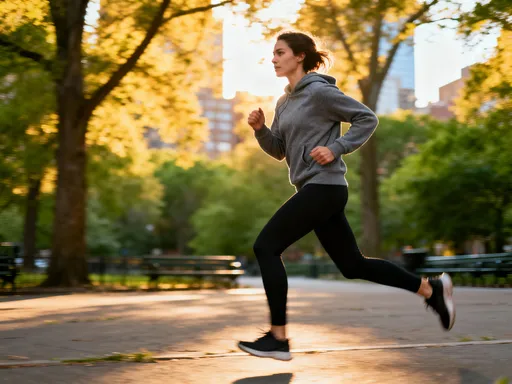
Walking is one of the most underrated tools for mental health. It requires no special equipment, no gym membership, and no prior experience. Yet, when done with intention, it becomes a powerful practice for calming the mind. Mindful walking is not about distance or speed. It’s about paying attention to each step, the rhythm of your breath, and the sensations in your body. This form of movement interrupts the cycle of rumination—the repetitive, often negative thinking that fuels anxiety—by redirecting focus to the present moment.
Research from Harvard Medical School suggests that just 10 to 15 minutes of daily walking can reduce anxiety symptoms by up to 20%. The effect is even greater when walking takes place in natural environments like parks, forests, or near water. These settings, often referred to as “green” or “blue” spaces, have been shown to lower cortisol levels and improve mood. Even urban walks can be beneficial if approached with mindfulness. The key is to engage the senses: notice the colors around you, listen to the sounds of birds or distant traffic, feel the ground beneath your feet. This sensory engagement anchors the mind in the now, reducing the pull of anxious thoughts about the future or regrets about the past.
Posture matters during mindful walking. Many people carry tension in their shoulders, jaw, or hips without realizing it. As you walk, periodically check in with your body. Are your shoulders hunched? Is your jaw clenched? Gently release tension by allowing your arms to swing naturally, your spine to lengthen, and your breath to deepen. Try syncing your breath with your steps—inhale for three steps, exhale for three. This simple rhythm enhances the calming effect by activating the parasympathetic nervous system.
Consistency is more important than duration. A five-minute walk after breakfast, a short loop around the block during a lunch break, or a quiet evening stroll after dinner can all contribute to a cumulative sense of calm. One woman in her early 40s shared that she began walking every morning while listening to a calming podcast. Within two weeks, she noticed she was less reactive to stressful emails and more patient with her children. She didn’t walk to lose weight or improve fitness—she walked to clear her mind. And that small, daily act became a cornerstone of her emotional resilience.
Grounding Through Breath-Linked Movement: Intro to Diaphragmatic Breathing and Gentle Stretching
When anxiety strikes, breathing often becomes shallow and rapid, centered in the chest rather than the belly. This type of breathing signals stress to the brain, reinforcing the cycle of tension. Diaphragmatic breathing—also known as belly breathing—works against this by engaging the diaphragm, a large muscle beneath the lungs that supports deep, efficient breaths. When you breathe deeply into the belly, you stimulate the vagus nerve, which in turn slows the heart rate and promotes relaxation.
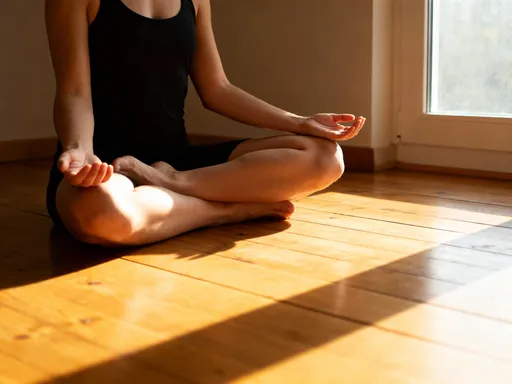
To practice diaphragmatic breathing, sit or lie in a comfortable position. Place one hand on your chest and the other on your belly. Inhale slowly through your nose, allowing your belly to rise while keeping your chest still. Exhale gently through your mouth, feeling your belly fall. Repeat for 3 to 5 minutes. This practice can be done anywhere—while waiting in the carpool line, during a work break, or before bed. The goal is not to eliminate thoughts but to anchor yourself in the rhythm of your breath.
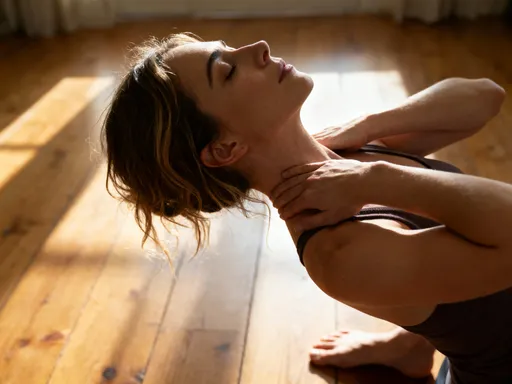
Pairing this breathing technique with gentle stretching enhances its effect. Common areas of tension—neck, shoulders, hips, and lower back—often hold the physical residue of stress. A simple neck stretch, for example, can be done seated: gently tilt your head to one side, bringing your ear toward your shoulder, and hold for 20 to 30 seconds. Repeat on the other side. Shoulder rolls, forward folds, and hip openers can also be performed with minimal effort and space. The emphasis is not on flexibility or performance but on sensation and release.
What makes breath-linked movement so effective is its accessibility during high-anxiety moments. Unlike intense workouts, these practices can be done even when energy is low or emotions are overwhelming. A mother of two in her late 30s reported using a five-minute routine of belly breathing and seated stretches during her children’s nap time. She found that this brief pause helped her transition from a state of constant reactivity to one of centered calm. Over time, she began to recognize the early signs of anxiety—tightness in her chest, a clenched jaw—and used these tools proactively, preventing full-blown episodes.
The Power of Rhythm: How Repeating Movements Soothe an Overactive Mind
Rhythm is built into the human experience from the very beginning. The rocking of a cradle, the swaying of a caregiver, the steady beat of a lullaby—these repetitive motions are among the first ways we learn to feel safe. As adults, we can tap into this same calming mechanism through rhythmic movement. Activities like gentle rocking in a chair, swaying side to side, or repeating slow arm swings can have a deeply soothing effect on the nervous system.
These movements work by mimicking the sensory input that calms infants, activating the parasympathetic nervous system and reducing the production of stress hormones. They also help regulate the vestibular system, which is involved in balance and spatial orientation and is closely linked to emotional regulation. When the body experiences predictable, gentle motion, the brain receives signals that the environment is stable and safe, which in turn reduces anxiety.
One effective exercise is the seated rock: sit in a sturdy chair with your feet flat on the floor. Gently rock forward and back, allowing your torso to move with the motion. Keep the movement small and controlled, focusing on the sensation of weight shifting between your sit bones and heels. Another option is paced arm swinging: stand or sit and slowly swing one arm forward and back, then switch arms, or move both together. Sync the motion with your breath—inhale as the arms move forward, exhale as they move back.
These practices are especially useful in settings where more obvious forms of exercise aren’t feasible—during a work meeting, while waiting at the doctor’s office, or in the midst of a panic spike. A woman in her early 50s shared that she began using rhythmic hand movements during stressful phone calls with her aging parents. By quietly tapping her fingers in a slow, steady pattern on her knee, she was able to stay present and avoid spiraling into anxiety. The key is to choose a rhythm that feels natural and calming, not forced or frantic. Over time, these small acts of movement become internal anchors, tools you can return to whenever the world feels too loud.
Strength with Calm: Why Light Resistance Training Helps Regulate Mood
When we think of strength training, images of heavy weights and intense workouts often come to mind. But light resistance training—using body weight, resistance bands, or light dumbbells—can be a gentle yet powerful way to support emotional well-being. The focus is not on building muscle mass but on creating a sense of control, presence, and grounding through controlled tension and release.
When you engage in deliberate, slow movements—such as wall push-ups, seated rows with a resistance band, or bodyweight squats—you shift your attention from internal worries to external sensations. You notice the contraction of your muscles, the alignment of your joints, the rhythm of your breath. This shift in focus is a form of mindfulness, helping to break the cycle of anxious thoughts. Additionally, the act of applying and releasing force gives the body a sense of mastery, counteracting the helplessness that often accompanies anxiety.
Light resistance exercises can be done in just 5 to 10 minutes and require minimal space. A simple routine might include: 10 wall push-ups (standing a few feet from a wall, lean in and push back), 10 seated rows (using a resistance band anchored to a door or held in both hands), and 10 slow bodyweight squats (focusing on form and breath). Perform each movement with control, inhaling during the release and exhaling during the effort. The goal is not fatigue but awareness.
Studies have shown that resistance training, even at low intensity, can improve mood and reduce symptoms of anxiety and depression. A 2020 meta-analysis published in JAMA Psychiatry found that resistance exercise was associated with moderate reductions in anxiety across diverse populations. For women managing busy households, these short sessions can be woven into daily life—between chores, during a child’s homework time, or before bed. One participant in a community wellness program reported that doing two minutes of resistance band exercises each morning helped her feel “more in charge” of her day, reducing her tendency to feel overwhelmed by small tasks.
Finding Your Flow: Exploring Tai Chi and Slow Dance as Hidden Anxiety Tools
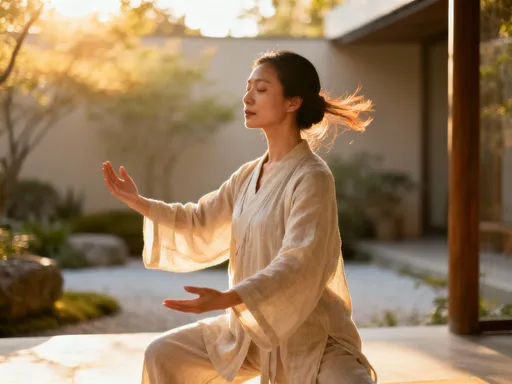
Not all movement needs to be labeled as exercise to be beneficial. Practices like tai chi and slow, freeform dancing offer a unique blend of rhythm, breath, and mindful attention that can profoundly ease anxiety. Tai chi, an ancient Chinese practice, involves a series of slow, flowing movements performed in a continuous sequence. It emphasizes balance, coordination, and internal awareness, making it ideal for calming an overactive mind. Similarly, slow dancing—whether alone in your living room or with a partner—engages the body in rhythmic motion while encouraging emotional release and connection.
Both practices share key elements: they are low-impact, adaptable to any fitness level, and focus on the quality of movement rather than speed or intensity. They also integrate breath with motion, creating a natural meditative state. When you move slowly and intentionally, your brain has time to process sensations, which helps regulate the nervous system. Unlike high-intensity workouts, which can sometimes increase anxiety in sensitive individuals, flowing movements provide a gentle reset.
Getting started doesn’t require special skills or equipment. For tai chi, numerous free online videos guide beginners through basic forms. Start with just five minutes a day, focusing on one movement at a time. For slow dancing, put on a calming playlist—perhaps soft piano, instrumental music, or nature sounds—and allow your body to move in response. Let go of judgment about how you look or whether you’re “doing it right.” The goal is to feel, not to perform.
Many women find these practices especially soothing during transitional times of day—early morning or late evening—when anxiety often surfaces. One woman in her mid-40s began dancing slowly each night after putting her children to bed. She described it as “a way to release the day’s tension without having to talk about it.” Over time, this ritual became a non-negotiable part of her self-care routine, helping her transition from caregiver to self-nurturer. These flowing practices remind us that movement can be expressive, joyful, and deeply healing—not just a means to an end.
Building a Sustainable Practice: Small Steps, Real Results, No Pressure
The biggest obstacle to using movement for anxiety relief is not lack of time or energy—it’s the belief that it must be done perfectly or not at all. Many people abandon helpful practices because they set unrealistic goals: “I’ll walk 30 minutes every day” or “I’ll do 20 minutes of stretching each morning.” When life gets busy, these goals feel unattainable, leading to guilt and discouragement. The truth is, even three to five minutes of intentional movement can make a difference.
Sustainability comes from starting small and celebrating subtle shifts. Instead of tracking steps or minutes, notice how your body feels: Is your breathing easier? Is your jaw less tight? Do you feel more present during conversations? These small indicators are signs of progress. One woman began with just two minutes of diaphragmatic breathing each night. After a week, she noticed she was falling asleep faster. That small win motivated her to add a short stretch the next week, then a brief walk the week after. Over time, her practice grew naturally, not through force, but through positive reinforcement.
Common barriers—fatigue, self-doubt, time constraints—can be addressed with flexibility and self-compassion. If you’re too tired to walk, try seated rocking or hand movements. If you feel silly dancing, start with just one song. If you miss a day, let it go without judgment. The goal is not perfection but presence. Movement is not another chore to check off; it’s a way of returning to yourself, again and again.
Over time, these small acts accumulate into lasting change. Anxiety may not disappear, but your relationship to it can shift. You begin to recognize that you have tools within you—your breath, your steps, your rhythm—that can help you find calm, even in the middle of chaos. This is not about pushing harder or doing more. It’s about moving with kindness, consistency, and awareness. When movement becomes a form of self-care rather than obligation, it stops being something you should do and starts being something that helps.
Always consult a healthcare provider when managing anxiety, especially if symptoms are severe or persistent. These movement-based strategies are not replacements for professional treatment but valuable complements to it. The body holds wisdom, and by listening to its rhythms, we can find peace not by escaping our feelings, but by moving through them—with grace, with patience, and with hope.