How I Fixed My Anxiety Fast with Simple TCM Tweaks
Stress was running my life—until I discovered how traditional Chinese medicine quietly rebalances emotions. Instead of quick fixes, it works with your body’s natural rhythm. I started small: adjusting my daily habits, noticing how food and energy flow affect mood. Within days, I felt calmer, clearer. No magic, just time-tested principles. If you're overwhelmed and tired of temporary solutions, this approach might be what you’ve unknowingly needed. Let’s explore how subtle shifts can create real emotional balance.
The Breaking Point: When Emotions Take Control
Many women in their 30s, 40s, and 50s find themselves at a breaking point—not from one major crisis, but from the slow buildup of daily pressures. Juggling family responsibilities, work demands, household routines, and personal expectations can leave little room for self-care. It’s common to feel emotionally drained, irritable without cause, or anxious over minor issues. Sleep becomes elusive, thoughts race at night, and even small disruptions—a missed appointment, a delayed grocery delivery—can trigger an outsized emotional response. This isn’t weakness; it’s a sign that the body’s internal balance has been disrupted over time.
In Western medicine, these experiences are often labeled as anxiety disorders or mood imbalances, and treatment typically focuses on symptom management through medication or cognitive behavioral strategies. While these approaches can be helpful, they often don’t address the deeper physiological patterns contributing to emotional unrest. Traditional Chinese Medicine (TCM), by contrast, views emotions not as isolated psychological events but as reflections of organ system function and energy flow, known as Qi. According to TCM, persistent anger, chronic worry, or unexplained fear are not just mental states—they are signals that specific organ systems are out of harmony.
For example, when someone frequently feels frustrated, short-tempered, or overwhelmed by minor inconveniences, TCM may identify this as a stagnation of Liver Qi. Similarly, constant overthinking and digestive discomfort could point to Spleen Qi deficiency, while ongoing fear or low energy might reflect Kidney imbalances. These are not anatomical diagnoses but functional patterns—ways the body communicates that its natural rhythms have been disrupted. The strength of TCM lies in its ability to interpret these signals early, before they escalate into more serious health concerns. By recognizing emotions as messengers rather than enemies, women can begin to respond with compassion and practical care, rather than judgment or suppression.
TCM Basics: Emotions as Energy Signals
In Traditional Chinese Medicine, emotions are not seen as flaws to be corrected but as natural responses that become problematic only when they are excessive, prolonged, or unexpressed. Each major emotion is associated with a specific organ system and its corresponding energy pathway. When Qi flows smoothly, emotions arise and pass without causing harm. But when Qi becomes blocked, deficient, or excessive, emotional patterns can become stuck, leading to chronic mood disturbances.
Consider the Liver, which in TCM governs the smooth flow of Qi throughout the body. When Liver Qi is balanced, a person feels calm, decisive, and able to adapt to change. But when this energy becomes stagnant—often due to stress, irregular routines, or emotional suppression—the result is irritability, frustration, and even outbursts over trivial matters. Think of the Liver as a traffic controller for your internal energy: when traffic flows freely, everything moves smoothly. But when congestion builds—say, from rushing through meals, skipping sleep, or holding in emotions—the system jams, and even a minor delay can feel unbearable.
Likewise, the Spleen, responsible in TCM for transforming food and thoughts into usable energy, is deeply tied to mental clarity and emotional stability. When Spleen Qi is strong, a woman can manage her responsibilities without mental fog or fatigue. But when overworked by constant multitasking, excessive worry, or poor eating habits, the Spleen weakens, leading to rumination, difficulty concentrating, and a sense of being mentally heavy. This is why someone might feel “stuck in their head,” replaying conversations or anticipating problems that haven’t happened.
The Heart, in TCM, houses the Shen, or spirit, and is central to emotional well-being. A balanced Heart supports restful sleep, joy, and emotional resilience. But when Heart Qi or Blood is deficient, the Shen becomes unsettled, leading to insomnia, restlessness, or anxiety. The Kidneys, associated with fear and long-term vitality, also play a role—especially during life transitions such as perimenopause, when energy reserves may feel depleted. Recognizing these patterns allows for a more compassionate understanding of emotional struggles, shifting the focus from “What’s wrong with me?” to “What part of my system needs support?”
Quick Daily Shifts That Actually Work
One of the most empowering aspects of Traditional Chinese Medicine is that it doesn’t require drastic changes to begin seeing results. Small, consistent habits—aligned with the body’s natural rhythms—can have a profound effect on emotional balance. The key is not intensity but regularity. Just as a river gradually carves a canyon through steady flow, daily micro-adjustments can reshape your internal landscape over time.
Start with the morning. Waking up just 15 minutes earlier can create space for a simple routine that sets the tone for the day. Instead of reaching for your phone, try sitting up slowly, placing your feet on the floor, and taking three deep breaths. In TCM, the early morning is when Yang energy begins to rise—this is the body’s natural time to awaken and activate. By honoring this rhythm, you support a smooth transition from rest to activity, reducing the jolt that often comes from rushing into the day.
Next, drink a cup of warm water—ideally with a slice of lemon or a small amount of grated ginger. Cold beverages, especially first thing in the morning, are believed in TCM to slow down digestion and congeal Qi, making the body work harder to warm the fluids internally. Warm water, on the other hand, gently awakens the digestive fire, known as the Spleen and Stomach Qi, promoting clarity and energy. This simple act signals to your body that it’s safe to begin the day, reducing the subtle background anxiety that comes from feeling unprepared.
Another powerful shift is to avoid cold and raw foods early in the day. While smoothies and cold cereals are convenient, they require more energy to digest and may contribute to internal dampness or sluggishness over time. Opting for warm, cooked breakfasts like oatmeal, congee, or scrambled eggs supports the Spleen’s role in transforming food into energy. These foods are easier to process and help maintain stable blood sugar, which in turn supports emotional steadiness. The goal isn’t perfection but awareness—learning to notice how different choices affect your mood, energy, and mental clarity by mid-morning.
Food as Emotional Medicine
Diet plays a central role in emotional health according to Traditional Chinese Medicine. Unlike Western nutrition, which often focuses on macronutrients and calories, TCM emphasizes the energetic qualities of food—its temperature, flavor, and effect on organ systems. Food is not just fuel; it’s medicine that can either calm or agitate the mind, strengthen or weaken digestion, and support or disrupt emotional balance.
In TCM, warm, cooked, and easily digestible foods are considered most nourishing for the Spleen and Stomach, which are responsible for transforming both food and thought into usable energy. When these systems are strong, a woman feels grounded, clear-headed, and emotionally resilient. But when digestion is impaired—often due to irregular eating, excessive cold foods, or eating under stress—the body produces “dampness,” a concept that refers to sluggish metabolic function and mental fog. This can manifest as fatigue, bloating, difficulty concentrating, or a low-grade sense of unease.
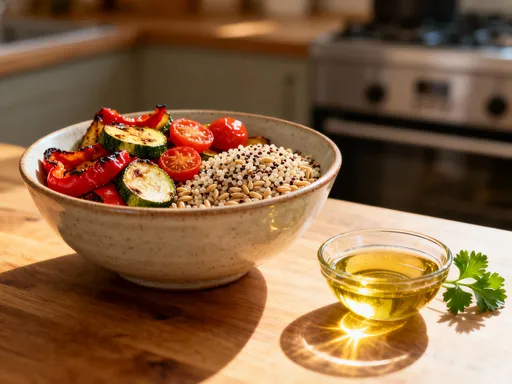
Swapping cold breakfasts for warm, cooked alternatives is one of the most effective dietary shifts. For example, replacing a morning smoothie with a bowl of congee—a simple rice porridge—can make a noticeable difference in energy and mood. Congee is easy to digest, warms the body, and gently tonifies Qi, making it especially beneficial during times of stress or recovery. Adding a small amount of cooked vegetables or a poached egg enhances its nourishing properties without overwhelming the digestive system.
Flavors also matter. In TCM, each taste corresponds to a different organ and function. Sour foods, like lemon or fermented vegetables, help regulate Liver Qi and prevent stagnation, making them useful for irritability or frustration. Bitter foods, such as dark leafy greens, support the Heart and can help clear internal heat associated with restlessness or insomnia. Sweet foods—especially natural, cooked sweets like sweet potatoes or small amounts of honey—nourish the Spleen and calm the mind, but should be consumed in moderation to avoid creating dampness.
Seasonal eating is another cornerstone of TCM dietary wisdom. Eating foods that are in season and locally available helps the body stay in tune with natural cycles. In winter, warming foods like soups, stews, and root vegetables support Kidney energy and conserve warmth. In summer, lighter, cooling foods such as cucumbers, melons, and mung beans help prevent overheating. By aligning meals with the seasons, women can reduce internal stress and support long-term emotional equilibrium.
Breath and Movement: Unblocking Stuck Energy
When emotions feel overwhelming, the body often holds tension—tight shoulders, a clenched jaw, shallow breathing. Traditional Chinese Medicine recognizes that Qi must flow freely for emotional health, and when it becomes stagnant, physical and emotional symptoms arise. The good news is that simple breath and movement practices can help release this stagnation without requiring hours at the gym or advanced skills.
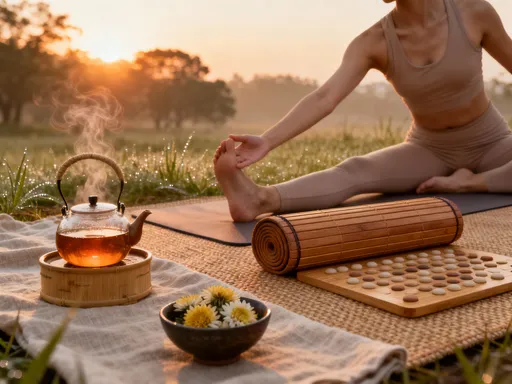
Qi Gong, a gentle form of moving meditation, is particularly effective for women managing busy lives. Unlike high-intensity workouts, Qi Gong focuses on slow, coordinated movements paired with deep abdominal breathing. This combination activates the parasympathetic nervous system—the body’s “rest and digest” mode—mirroring TCM’s goal of smoothing Qi flow and calming the Shen. Even five to ten minutes a day can reduce background anxiety and improve mental clarity.
A simple morning routine might include standing quietly with feet shoulder-width apart, hands resting on the lower abdomen. Inhale slowly through the nose, allowing the belly to expand fully. Exhale through the mouth, gently drawing the navel toward the spine. Repeat for five minutes, focusing only on the breath. This practice, known as “belly breathing,” strengthens the Spleen and Lung Qi, both of which support emotional stability.
Adding gentle movement enhances the effect. Try shoulder rolls—forward and backward—to release tension in the upper back, a common site of Liver Qi stagnation. Palm stretches, where you extend your arms forward and gently pull the fingers back, help open the chest and improve circulation of Qi. Mindful walking, especially in nature, is another powerful tool. Walking slowly, with awareness of each step and breath, helps ground the mind and reconnect with the present moment—something many women lose amid daily demands.
The key is consistency, not duration. These practices work best when integrated into daily life, not treated as occasional fixes. Over time, they train the body to return to balance more quickly after stress, much like a well-tuned instrument returns to harmony after being played. The result is not the absence of emotion, but greater resilience—the ability to feel without being overwhelmed.
When to Seek Help: Balancing Self-Care and Professional Support
While Traditional Chinese Medicine offers powerful tools for emotional balance, it is important to recognize when professional help is needed. Lifestyle adjustments, dietary changes, and breathwork can significantly improve mild to moderate anxiety and stress-related symptoms. However, they are not substitutes for medical care when dealing with clinical anxiety, depression, or other mental health conditions.
If feelings of sadness, worry, or emotional numbness persist for weeks, interfere with daily functioning, or lead to thoughts of hopelessness, it is essential to consult a licensed healthcare provider. Mental health is just as important as physical health, and seeking support is a sign of strength, not failure. A qualified professional can help determine whether therapy, medication, or other treatments are appropriate, ensuring a comprehensive approach to well-being.
TCM can complement, rather than replace, conventional care. Many women find that combining lifestyle practices with professional guidance leads to the best outcomes. For example, acupuncture—a key component of TCM—has been studied for its potential to reduce anxiety symptoms by regulating the nervous system and promoting relaxation. When administered by a licensed practitioner, it can be a valuable addition to a broader treatment plan.
The goal is integration, not isolation. Self-care practices empower women to take an active role in their health, but they work best within a supportive framework that includes medical evaluation when needed. By viewing emotional wellness as a spectrum—ranging from daily maintenance to clinical intervention—women can make informed choices that honor both their autonomy and their need for professional care.
Long-Term Balance: Making It Stick Without Burnout
Sustainability is the true measure of any wellness practice. Many women start with enthusiasm, adopting multiple new habits at once—early rising, dietary changes, breathwork, herbal teas—only to feel overwhelmed and abandon the effort within weeks. The TCM approach emphasizes gradual, mindful integration, not perfection. Lasting change comes not from dramatic overhauls but from small, consistent choices that become part of daily life.
A practical strategy is to focus on one habit at a time. Choose the change that feels most doable—perhaps drinking warm water in the morning or taking five deep breaths before breakfast. Practice it daily for two to three weeks until it feels natural, then add another. This method reduces resistance and builds confidence. Over time, these small acts accumulate into a new rhythm, one that supports emotional balance without adding stress.
Tracking subtle changes can also reinforce progress. Instead of waiting for a complete transformation, notice small improvements: falling asleep more easily, feeling less reactive during a disagreement, or having a clearer mind by midday. These signs indicate that Qi is beginning to flow more smoothly. Journaling briefly about mood, energy, and sleep can help identify patterns and maintain motivation.
Patience is essential. Emotional balance is not a destination but a continuous process of tuning in and adjusting. There will be days when stress overrides even the best habits—and that’s okay. The goal is not to eliminate emotions but to restore the body’s ability to process them healthily. With time, women often find they respond to challenges with greater calm and clarity, not because life has changed, but because their internal foundation has strengthened.
Ultimately, this journey is about returning to awareness—listening to the body’s signals, honoring its needs, and trusting that balance is possible. By integrating simple TCM-inspired practices into daily life, women can cultivate a deeper sense of peace, not as an escape from stress, but as a steady presence within it.
True emotional balance isn’t found in drastic overhauls, but in small, consistent choices rooted in ancient wisdom. By aligning with natural body rhythms through simple TCM-inspired habits, you empower yourself to manage stress with greater ease. This isn’t a cure—it’s a return to awareness. When you start listening to your body’s signals, calm becomes not a goal, but a daily reality.