How I Tamed My Cholesterol—And Why It’s More Than Just Numbers
For years, I ignored my lipid levels until a routine check revealed a silent red flag. High cholesterol isn’t something you feel—it sneaks in quietly, yet it can reshape your health. I realized managing it wasn’t about quick fixes, but building a sustainable system. This is how I shifted my habits, understood the science, and started feeling stronger—not just healthier on paper. What began as a concern in a blood test report evolved into a deeper appreciation for how the body balances internal systems. It wasn’t fear that drove change, but curiosity, care, and a growing understanding that health is not measured in isolated numbers, but in the rhythm of daily choices.
The Wake-Up Call: When “Normal” Feels Anything But
It wasn’t chest pain or fatigue that brought me to attention—it was a standard blood test during an annual physical. My doctor paused, not with alarm, but with a measured tone that signaled something worth discussing: my LDL cholesterol was above the recommended range, and my triglycerides were creeping upward. There were no dramatic symptoms, no warning signs I could point to. Yet, that quiet deviation from the norm was a signal I could no longer ignore. High cholesterol is often called a silent condition because it doesn’t announce itself with pain or discomfort. Instead, it operates in the background, gradually affecting the flexibility and health of blood vessels, increasing the long-term risk of cardiovascular events.
Lipid panels, the standard blood tests used to assess cholesterol, measure several key components: low-density lipoprotein (LDL), high-density lipoprotein (HDL), and triglycerides. LDL is often labeled the “bad” cholesterol because it carries cholesterol particles through the bloodstream and can contribute to plaque buildup in arteries. HDL, in contrast, is considered “good” cholesterol because it helps transport excess cholesterol back to the liver for removal. Triglycerides, another type of fat in the blood, rise when we consume more calories than we immediately need, especially from refined carbohydrates and sugars. While each of these markers has a normal range, the goal isn’t just to fall within it, but to optimize for long-term resilience.
What many people don’t realize is that even small, consistent imbalances in these markers can have compounding effects over time. A slightly elevated LDL level at 40 may not cause immediate harm, but left unaddressed, it can contribute to arterial stiffness by 50 or 60. The body is remarkably adaptive, but it’s not invincible. That’s why awareness is so critical—because waiting for symptoms often means waiting too long. Early detection through regular screening allows for proactive adjustments, not reactive treatments. It shifts the focus from crisis management to prevention, from fear to empowerment.
For me, that blood test wasn’t a verdict; it was an invitation to learn. It prompted questions: What influences these numbers? How much is genetics, and how much is lifestyle? Most importantly, what could I actually control? The answers led me beyond medication discussions and into a deeper exploration of daily habits—the kind that don’t make headlines but shape health over decades.
Breaking the Myth: Cholesterol Isn’t the Enemy
One of the most surprising things I learned was that cholesterol itself is not the problem. In fact, the body needs cholesterol to function properly. It’s a vital component of cell membranes, ensuring their structural integrity and fluidity. It’s also the raw material for producing essential hormones, including cortisol, estrogen, and testosterone. The liver produces about 80% of the body’s cholesterol, carefully regulating levels based on physiological needs. This means that demonizing cholesterol misses the point—what matters is not its presence, but its balance and distribution.
A common misconception is that eating cholesterol-rich foods, like eggs or shellfish, directly raises blood cholesterol levels. While dietary cholesterol does play a role for some individuals, the liver adjusts its production in response to intake. For most people, the bigger drivers of elevated blood cholesterol are not dietary cholesterol itself, but excess saturated and trans fats, along with highly processed carbohydrates. These substances influence how the liver processes and releases cholesterol into the bloodstream. Therefore, focusing solely on avoiding cholesterol in food overlooks the more significant impact of overall dietary patterns.
Modern lifestyles often disrupt the body’s natural cholesterol regulation. Diets high in processed foods, sedentary behavior, chronic stress, and poor sleep all contribute to dyslipidemia—a condition marked by abnormal lipid levels. The body, designed for movement and whole foods, struggles to maintain balance in an environment of constant caloric surplus and metabolic stress. It’s like asking a finely tuned engine to run on low-grade fuel—performance suffers over time, not because the engine is flawed, but because the input is wrong.
Think of cholesterol as fuel. It’s not inherently harmful; in fact, it’s necessary. The issue arises when there’s too much of the wrong kind, or when it’s delivered to places where it doesn’t belong. LDL particles can become oxidized and embed in arterial walls when inflammation is present, initiating a cascade that leads to plaque formation. But this isn’t a cholesterol problem—it’s a metabolic environment problem. By improving that environment through lifestyle, we support the body’s natural ability to manage cholesterol effectively. The goal isn’t elimination, but harmony.
The System Approach: Why One-Off Changes Fail
When I first learned about my lipid levels, my instinct was to find a quick fix. I considered adding a single supplement, cutting out all fats, or trying a popular cleanse. But what I discovered is that isolated changes rarely lead to lasting results. The body doesn’t respond well to extremes or fragments—it thrives on consistency and balance. Sustainable health improvements come not from one dramatic shift, but from a coordinated system of interrelated habits that support metabolic health.
An integrated approach includes nutrition, physical activity, sleep quality, and stress management. Each of these elements influences lipid metabolism in distinct but interconnected ways. For example, diet directly affects the types and amounts of fats circulating in the blood. Exercise enhances the function of HDL particles, helping them remove cholesterol more efficiently. Sleep regulates hormones that influence appetite and fat storage, while chronic stress can elevate cortisol, which in turn increases liver production of cholesterol and triglycerides.
I learned this firsthand when I made significant dietary improvements but continued to skimp on sleep. Despite eating whole grains, lean proteins, and plenty of vegetables, my triglycerides remained elevated. It wasn’t until I prioritized consistent, restful sleep that I saw real progress. Research supports this: poor sleep duration and quality are linked to higher LDL and lower HDL levels. The body’s metabolic processes, including lipid regulation, follow circadian rhythms. Disrupting those rhythms—by staying up late, using screens before bed, or experiencing fragmented sleep—can impair the liver’s ability to process fats efficiently.
This realization shifted my mindset from targeting cholesterol as an isolated issue to nurturing the entire system that governs it. Instead of asking, “What can I eliminate?” I began asking, “What can I support?” That subtle change in perspective made all the difference. It moved me away from restriction and toward nourishment, from fear toward care. A system approach isn’t about perfection—it’s about progress, consistency, and honoring the complexity of the human body.
Food as Foundation: What Actually Moves the Needle
Diet is one of the most powerful levers for influencing lipid levels, but not all changes are equally effective. The most impactful shifts are not about drastic elimination, but about strategic inclusion and substitution. The goal is to create a dietary pattern that naturally supports healthy lipid metabolism over time. Three key elements proved essential in my own journey: increasing soluble fiber, choosing healthy fats, and reducing processed carbohydrates.
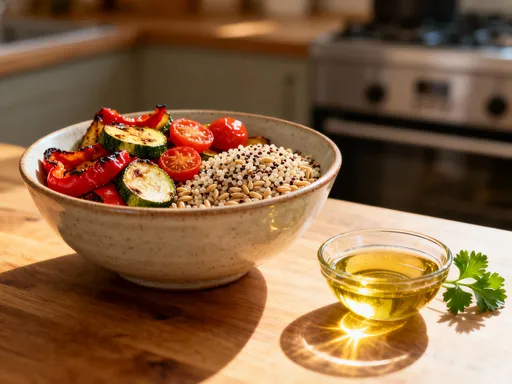
Soluble fiber, found in foods like oats, beans, lentils, apples, and flaxseeds, has a unique ability to bind with cholesterol in the digestive tract and carry it out of the body before it’s absorbed. This process reduces the amount of cholesterol that enters the bloodstream, particularly LDL. Starting my day with oatmeal topped with fruit became a simple, enjoyable habit that delivered measurable benefits. Over time, I noticed that consistent fiber intake not only supported my lipid profile but also improved digestion and helped maintain steady energy levels.
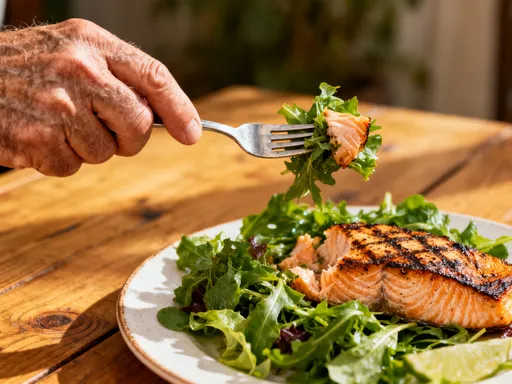
Healthy fats, particularly monounsaturated and polyunsaturated fats, play a crucial role in improving cholesterol balance. Replacing butter with olive oil, choosing avocados over creamy spreads, and incorporating nuts like almonds and walnuts into my snacks made a noticeable difference. These fats help lower LDL while supporting or even increasing HDL levels. Omega-3 fatty acids, found in fatty fish like salmon and in plant sources like chia seeds, are especially effective at reducing triglycerides. I didn’t need to overhaul every meal—small, repeatable swaps added up over time.
At the same time, reducing processed carbohydrates was critical. Foods like white bread, sugary cereals, pastries, and sweetened beverages cause rapid spikes in blood sugar, prompting the liver to produce more triglycerides. By shifting to whole grains, vegetables, and low-glycemic fruits, I stabilized my energy and reduced triglyceride production. This wasn’t about deprivation—it was about upgrading. I discovered new flavors, textures, and meals that left me feeling satisfied and nourished, not restricted.
What mattered most was consistency. Occasional indulgences didn’t derail progress, but daily patterns shaped outcomes. I stopped thinking in terms of “good” and “bad” foods and started focusing on overall dietary quality. A plate rich in plants, lean proteins, and healthy fats became the foundation, not a temporary diet but a lasting way of eating. And as my lipid numbers improved, so did how I felt—more alert, more balanced, more in tune with my body.
Movement That Matters: Beyond the Gym Hype
Physical activity is often framed as a punishment for poor eating or a requirement for weight loss, but its benefits extend far beyond the scale. When it comes to lipid health, movement plays a direct and powerful role. Regular, moderate exercise has been shown to increase HDL cholesterol, improve the efficiency of LDL clearance, and lower triglyceride levels. The good news? You don’t need to run marathons or spend hours in the gym to see results.
What matters most is consistency. Activities like brisk walking, cycling, swimming, or even gardening can enhance cardiovascular health when done regularly. I found that integrating movement into my daily routine was more sustainable than relying on intense workouts I couldn’t maintain. Walking after meals, taking the stairs instead of the elevator, parking farther from store entrances—these small choices added up. Over time, I built up to weekend hikes and longer walks in nature, which not only supported my lipids but also reduced stress and improved mood.
One of the most compelling aspects of exercise is the metabolic afterburn effect—also known as excess post-exercise oxygen consumption (EPOC). Even after a moderate workout, the body continues to burn calories and clear fats from the bloodstream at an elevated rate. This means that movement doesn’t just benefit you during the activity; it extends its effects into the hours that follow. Light exercise, such as a 20-minute walk, can enhance insulin sensitivity and support fat metabolism, making it easier for the body to manage lipids between meals.
The key is to shift the mindset from intensity to inclusion. It’s not about crushing workouts or achieving fitness milestones—it’s about showing up for your body every day in small, meaningful ways. Movement becomes less of a chore and more of a gift: a way to strengthen the heart, clear the mind, and support long-term vitality. When exercise is woven into life rather than imposed on it, it becomes sustainable, enjoyable, and deeply health-promoting.
Hidden Levers: Sleep, Stress, and Daily Rhythms
While diet and exercise are often in the spotlight, two quieter factors—sleep and stress—play equally important roles in lipid regulation. Research consistently shows that poor sleep quality and short sleep duration are associated with higher LDL cholesterol and lower HDL levels. During deep sleep, the body performs essential maintenance, including hormone regulation and metabolic repair. When sleep is disrupted or insufficient, these processes are impaired, leading to imbalances in cortisol, insulin, and lipid metabolism.
Chronic stress operates in a similar way. When the body is under constant pressure, the adrenal glands release cortisol, a hormone that helps manage energy and alertness. But when stress is ongoing, elevated cortisol levels can stimulate the liver to produce more cholesterol and triglycerides. This is an evolutionary response designed for survival, not modern life. Today, we’re rarely running from predators, but we’re still wired to respond to deadlines, financial concerns, and family responsibilities as if they were life-threatening. Over time, this constant activation takes a toll on metabolic health.
Recognizing this, I began to prioritize rest and recovery as seriously as diet and exercise. I established a consistent bedtime routine: dimming the lights, turning off screens an hour before bed, and practicing gentle stretching or mindfulness breathing. These small habits signaled to my body that it was safe to wind down. I also started taking short breaks during the day to step outside, breathe deeply, or simply pause—micro-moments of calm that helped reset my nervous system.
Aligning with natural daily rhythms, or circadian health, also made a difference. Eating meals at consistent times, getting morning sunlight, and avoiding late-night snacking helped regulate my metabolism. The body processes fats more efficiently when it’s operating in sync with its internal clock. By supporting these hidden levers, I created a more favorable environment for lipid balance—one that didn’t rely on willpower, but on rhythm and routine.
Tracking Progress Without Obsession
Regular blood tests are valuable tools for monitoring lipid levels, but they shouldn’t become sources of anxiety. I learned to view them as feedback, not fate. Checking in every six to twelve months allowed me to see trends over time, not just snapshots. This long-term perspective helped me stay focused on the process, not just the outcome. Numbers can fluctuate due to many factors—illness, stress, even the time of day—so consistency in testing conditions matters.
Equally important were the non-lab wins: having more energy throughout the day, sleeping more soundly, feeling stronger during walks or household tasks, and noticing a brighter mood. These improvements reminded me that health is multidimensional. Lowering cholesterol wasn’t just about reducing risk—it was about enhancing quality of life. Each positive change reinforced the others, creating a virtuous cycle of well-being.
I also made sure to work closely with my healthcare provider, not in place of them. While lifestyle changes are powerful, they’re most effective when integrated with medical guidance. My doctor helped interpret results, advised on timing, and ensured I wasn’t overlooking other factors. This partnership gave me confidence that I was making informed choices, not guessing in the dark.
Ultimately, lipid regulation is not a sprint, but a lifelong journey of small, steady choices. It’s not about achieving perfection, but about building resilience. By treating it as a holistic process—nourishing food, daily movement, restful sleep, and mindful stress management—I transformed what began as a concern into a commitment to long-term health. And now, when I see that blood test report, I don’t dread it. I see it as a reflection of how I’ve been caring for myself—and a reminder that every day offers a new chance to do the same.
Managing lipids isn’t about fear—it’s about respect for your body’s systems. By treating it as a holistic, ongoing process rather than a medical emergency, real change becomes possible. This journey taught me that small, steady choices build resilience. And while I still get blood tests, I no longer dread them—I see them as feedback, not fate.