How I Grew Healthier Hair Without Any Products—Just Daily Movement
You’ve probably heard that hair health starts from within—but what if the secret isn’t just about what you eat, but how you move? I stopped chasing miracle shampoos when I realized my thinning hair was linked to stress and poor circulation. What changed everything? A simple, no-gear exercise routine I do every morning. This isn’t about extreme workouts or quick fixes. It’s about consistent, natural movement that supports scalp health and boosts overall wellness. Over time, I began to notice my hair felt stronger, looked shinier, and shed less. The transformation wasn’t dramatic overnight, but it was undeniable. And the most surprising part? I didn’t change my shampoo, my diet, or spend a single dollar on treatments. The real shift came from what I did with my body each morning—before the day even began.
The Moment I Connected Hair Health and Body Movement
For years, I believed my hair issues were purely genetic. My mother had fine hair, and I assumed I was destined for the same. I rotated through expensive serums, sulfate-free shampoos, and protein masks, chasing the promise of volume and strength. Nothing delivered lasting results. My hair remained limp, prone to breakage, and increasingly thin at the crown. It wasn’t until a routine dermatology visit that I began to question my assumptions. The doctor didn’t reach for a prescription—instead, she asked about my daily habits. How much do you move? How’s your sleep? Stress levels?
Her questions caught me off guard. I had never considered that my mostly sedentary lifestyle—long hours at a desk, minimal physical activity—could be affecting my hair. Yet, as we talked, a connection began to form. I recalled that on weekends when I walked more or took gentle yoga classes, my scalp felt less tight, and my hair seemed to have more body. At the time, I’d dismissed it as coincidence. But what if it wasn’t?
That conversation sparked a personal experiment. For the next six weeks, I kept a simple journal. I tracked my daily movement—whether I took a walk, stretched, or simply stood up regularly—and noted how my hair looked and felt each morning. I didn’t change my diet, hair products, or sleep schedule. The only variable was physical activity. What I discovered surprised me: on days I moved intentionally, even for just ten minutes, my hair appeared fuller, shinier, and was less tangled. My scalp felt looser, less sensitive. It wasn’t a miracle, but it was consistent. The evidence was in my own experience—movement mattered more than I’d ever realized.
Why Scalp Circulation Matters More Than You Think
Hair growth begins at the root—literally. Each strand emerges from a follicle embedded in the scalp, and like any living tissue, follicles require a steady supply of oxygen and nutrients to function properly. These essentials are delivered through the bloodstream. When circulation is strong, blood flows efficiently to the scalp, nourishing follicles and supporting the hair growth cycle. But when circulation is sluggish—often due to prolonged sitting, stress, or inactivity—this delivery system slows down.
Think of your scalp like the soil in a garden. Even the best seeds won’t thrive in compacted, dry earth. Similarly, healthy hair can’t flourish if the scalp isn’t receiving adequate blood flow. Poor microcirculation can weaken follicles over time, leading to thinner strands, slower growth, and increased shedding. This can mimic genetic hair loss, even in people without a family history of thinning. The difference is, unlike genetics, circulation can be improved—naturally and without medication.
Exercise is one of the most effective ways to enhance blood flow. When you move, your heart pumps faster, sending oxygen-rich blood throughout your body—including to your scalp. Studies have shown that even moderate physical activity increases dermal perfusion, the flow of blood to the skin layers where hair follicles reside. One small study published in the International Journal of Trichology found that participants who engaged in regular aerobic exercise experienced a measurable increase in hair density over six months, compared to a sedentary control group. While more research is needed, the mechanism is well understood: better circulation supports stronger, healthier hair.
Additionally, movement helps clear metabolic waste from tissues. Just as exercise flushes lactic acid from muscles after a workout, it also aids in removing toxins and carbon dioxide from the scalp. This creates a cleaner, more supportive environment for hair growth. You don’t need intense training to benefit—simple, consistent motion can make a meaningful difference.
My No-Equipment Daily Routine (That Takes 12 Minutes)
After recognizing the link between movement and hair health, I wanted to create a routine that was sustainable, not stressful. I didn’t want to add another chore to my morning or require special gear. The solution? A 12-minute sequence I do at home, in my living room, wearing regular clothes. It doesn’t break a sweat, but it wakes up my body and improves circulation to my head and scalp.
The routine begins with 3 minutes of brisk marching in place. I lift my knees slightly higher than normal and swing my arms. This gently elevates my heart rate and gets blood moving from my core to my extremities. I don’t need space or equipment—just enough room to move comfortably. After that, I transition into four rounds of scalp-stimulating movements. Each round includes slow neck rolls—dropping my right ear toward my shoulder, then rolling my head in a half-circle to the other side. I do this twice per side, moving mindfully to avoid strain.
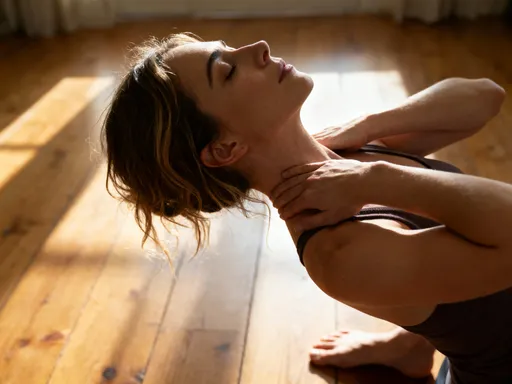
Next, I perform shoulder shrugs: lifting my shoulders toward my ears, holding for a breath, then releasing them down. I repeat this 10 times. This simple action helps release tension in the upper back and neck, areas that often carry stress and can restrict blood flow to the head. Then, I do gentle head tilts—looking up toward the ceiling, then slowly lowering my chin to my chest. I hold each position for three deep breaths. This stretch opens the front of the neck and improves posture, which in turn supports better alignment and circulation.
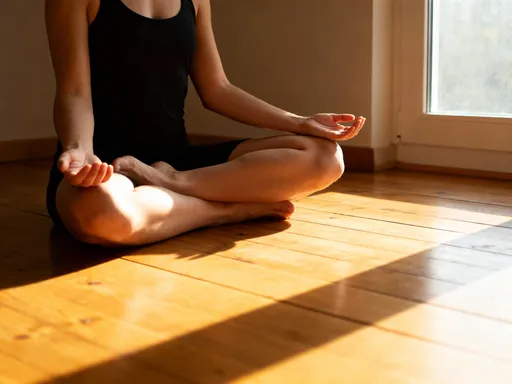
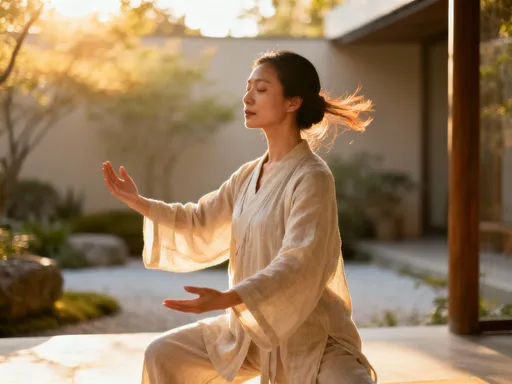
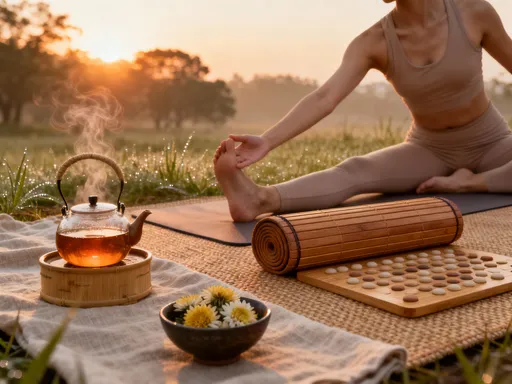
I finish with 5 minutes of yoga-inspired stretches. I stand with feet hip-width apart and interlace my fingers, reaching my arms overhead and leaning gently to each side. Then, I clasp my hands behind my back, straighten my arms, and lift them slightly while opening my chest. This counteracts the forward hunch many of us develop from sitting. These stretches not only improve blood flow but also signal to my nervous system that it’s time to shift into a calmer, more focused state. The entire routine takes just 12 minutes, and I do it right after brushing my teeth—making it easy to remember and maintain.
The Role of Stress Reduction in Hair Growth
Stress is one of the most overlooked factors in hair health. When you’re under chronic stress, your body produces higher levels of cortisol, the primary stress hormone. Elevated cortisol can disrupt the natural hair growth cycle, pushing more follicles into the shedding phase, known as telogen effluvium. This type of hair loss is usually temporary, but it can be alarming and difficult to reverse without addressing the root cause.
Exercise is a powerful tool for regulating cortisol. Physical activity helps metabolize excess stress hormones and stimulates the release of endorphins—natural mood boosters that promote feelings of calm and well-being. Even light movement can shift your physiological state from “fight-or-flight” to “rest-and-digest,” which is essential for healing and regeneration, including hair growth.
Within three weeks of starting my morning routine, I noticed fewer loose hairs in my brush and shower drain. My scalp felt less sensitive, and my hair seemed to have more resilience. I wasn’t growing inches overnight, but the shedding had clearly slowed. At the same time, I felt more grounded and less reactive to daily stressors. I realized that my routine wasn’t just helping my hair—it was helping my mind.
Movement became a form of mental reset. Instead of reaching for coffee or scrolling through my phone first thing in the morning, I was starting my day with intention. That shift in mindset reduced my overall stress load, which in turn supported a healthier hair cycle. The connection between emotional well-being and physical health is real, and in my case, it showed up in the mirror.
Pairing Movement with Other Natural Hair-Supporting Habits
While movement was the cornerstone of my transformation, I didn’t rely on it alone. I began to view hair health as part of a broader wellness picture. I made small, sustainable changes that complemented the benefits of my daily routine. One of the first was increasing my water intake. Dehydration can make hair brittle and dry, so I made it a habit to drink a glass of water first thing in the morning and carry a reusable bottle throughout the day.
I also reduced my use of heat styling tools. I stopped using a flat iron daily and limited blow-drying to when absolutely necessary. When I did style my hair, I used the lowest heat setting and always applied a heat protectant. These adjustments minimized damage and allowed my natural texture to thrive.
Another change was protecting my hair at night. I switched from cotton pillowcases to a silk scrunchie and began loosely braiding my hair before bed. This reduced friction and prevented breakage from tossing and turning. I also started covering my hair with a silk scarf when I napped or slept, which helped retain moisture and prevent tangles.
These habits amplified the effects of my movement routine. Better circulation meant my body could deliver nutrients from food more efficiently to my scalp. So when I ate more leafy greens, nuts, and lean proteins, I actually saw the benefits in my hair. It wasn’t about perfection—it was about creating a supportive internal environment where hair could grow strong and resilient over time.
What Science Says About Exercise and Hair Health
While the beauty industry often focuses on topical solutions, science increasingly supports the idea that systemic health plays a crucial role in hair quality. Moderate physical activity has been shown to improve endothelial function—the health of blood vessel linings—which enhances circulation throughout the body, including the scalp. One key mechanism is the production of nitric oxide, a molecule that helps blood vessels dilate, allowing for greater blood flow.
A study in the Journal of Cosmetic Dermatology found that participants who engaged in regular aerobic exercise showed improved scalp microcirculation and reported less hair shedding after 12 weeks. Another study noted that resistance training helped balance hormones like insulin and testosterone, which can influence hair growth cycles when out of sync. While these studies don’t claim exercise alone can reverse genetic hair loss, they do suggest it can create a more favorable environment for healthy hair.
Experts in dermatology and integrative medicine often recommend a holistic approach. Dr. Caroline Johnson, a board-certified dermatologist, notes that “lifestyle factors like sleep, nutrition, and physical activity are foundational. Topical treatments may help, but they work best when the body is already in a state of balance.” This aligns with the growing understanding that wellness is interconnected—what benefits your heart, muscles, and brain often benefits your hair, too.
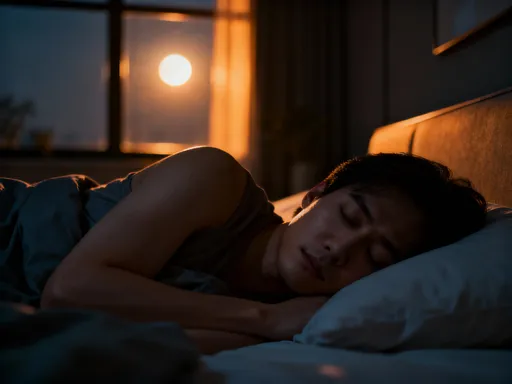
It’s also worth noting that exercise supports better sleep, which is critical for hair regeneration. During deep sleep, the body repairs tissues and balances hormones, both of which are essential for maintaining a healthy hair cycle. By improving sleep quality through regular movement, you’re indirectly supporting hair growth in multiple ways.
How to Start and Stay Consistent Without Burnout
One of the biggest obstacles to success is the expectation of immediate results. Hair grows slowly—about half an inch per month—and changes in texture, strength, or shedding can take weeks or months to become visible. If you’re waiting for a dramatic transformation right away, you may give up before the benefits have time to emerge.
That’s why I recommend starting small. Begin with just 5 minutes a day. Focus on how your body feels during and after the movement. Do you feel more awake? Is your scalp less tight? Are you breathing more deeply? These subtle signs are early indicators of improved circulation and reduced stress—both of which support hair health.
To stay consistent, I use a simple habit tracker on my phone. Each day I complete my routine, I mark it with a green dot. The visual progress helps me stay motivated, even on days when I don’t feel like moving. I also anchor the routine to an existing habit—brushing my teeth—so it becomes part of my automatic morning flow.
If I miss a day, I don’t punish myself. I simply return the next day without guilt. Perfection isn’t the goal; consistency is. Over time, this practice evolved from a “hair fix” into a form of self-care. It’s no longer something I do to change my appearance—it’s something I do to honor my body and start the day with presence.
Conclusion
Healthier hair doesn’t have to come from a bottle. By tuning into my body’s signals and using movement as medicine, I found a sustainable path to stronger, shinier hair. This journey taught me that wellness is interconnected—what helps your heart often helps your hair, too. It’s not about drastic change, but daily, intentional choices that add up. Your body already has the tools. Sometimes, you just need to get it moving. The scalp, like every other part of your body, responds to how you treat it. When you support circulation, reduce stress, and create a nourishing internal environment, hair can thrive naturally. You don’t need expensive treatments or complicated routines. You just need to begin—gently, consistently, and with kindness toward yourself. Over time, the results will speak for themselves.