How I Made the Mediterranean Diet Actually Work in Real Life
Ever tried the Mediterranean diet but gave up because it felt too overwhelming? You're not alone. I struggled too—until I stopped treating it like a rigid plan and started seeing it as a lifestyle. Small swaps, simple habits, and realistic choices made all the difference. No perfection, just progress. Here’s how I built a sustainable, enjoyable way of eating that supports energy, health, and real-life flexibility—without sacrificing flavor or sanity.
The Myth of Perfection: Why Most People Quit Early
Many people begin the Mediterranean diet with high hopes, only to abandon it within weeks. The reason isn’t lack of willpower—it’s unrealistic expectations. Too often, the diet is portrayed as a strict set of rules: eat only olive oil, never touch red meat, consume fish every day, and fill your plate exclusively with vegetables grown on a Greek hillside. When life inevitably interrupts—family dinners, work stress, or simple cravings—these rigid guidelines feel impossible to maintain. One missed rule leads to guilt, then frustration, and soon the entire effort is discarded.
The truth is, the Mediterranean diet was never intended to be a prescription. It’s a reflection of how people in regions like southern Italy, Greece, and coastal Spain have traditionally eaten for generations. These cultures don’t track macronutrients or count calories. Instead, they follow a pattern centered on fresh, seasonal foods, shared meals, and a deep appreciation for the rhythm of daily life. The core principles include a heavy emphasis on plant-based foods, moderate intake of fish and poultry, limited red meat, and the regular use of healthy fats like olive oil. But more than that, it’s about balance, not perfection.
Research consistently shows that those who adopt flexible, sustainable approaches to healthy eating are more likely to maintain long-term benefits. A study published in the New England Journal of Medicine found that individuals following a Mediterranean-style diet experienced significant improvements in cardiovascular health, but only when they maintained it consistently over time. The key was not strict adherence, but steady engagement with the overall pattern. This insight changed everything for me. Instead of aiming for flawless execution, I began focusing on progress—small, repeatable actions that aligned with the spirit of the diet without demanding total transformation overnight.
Letting go of the all-or-nothing mindset was liberating. I stopped viewing a slice of pizza or a holiday dessert as a failure. Instead, I saw them as part of a broader pattern. The goal wasn’t to eliminate indulgences but to make nutrient-rich choices most of the time. This shift in perspective reduced stress and made healthy eating feel more natural. I began asking not “Am I doing this perfectly?” but “Is this choice moving me closer to how I want to feel?” That simple question became the foundation of lasting change.
Start with One Plate: Mastering the Mediterranean Mindset
One of the biggest mistakes I made early on was trying to overhaul my entire kitchen in a single weekend. I cleared out processed foods, bought unfamiliar grains, and attempted elaborate recipes that required specialty ingredients. Predictably, it didn’t last. The turning point came when I stopped focusing on what I was removing and started building meals from a new foundation—one plate at a time.
The Mediterranean plate is simple in concept: half the plate filled with vegetables, about a quarter with whole grains or starchy vegetables like sweet potatoes, and the remaining quarter with a lean protein such as fish, beans, or poultry. A drizzle of olive oil, a sprinkle of herbs, and perhaps a small portion of cheese completes the meal. This visual guide removed the need for measuring cups or calorie counting. It offered structure without rigidity, allowing room for personal taste and seasonal variety.
I began by modifying meals I already enjoyed. Take spaghetti night, for example. Instead of replacing it entirely, I kept the pasta but reduced the portion by half and loaded the plate with sautéed zucchini, cherry tomatoes, spinach, and roasted red peppers. I swapped butter for extra virgin olive oil and added a generous handful of chopped fresh basil. Grilled salmon or white beans provided the protein. Suddenly, a familiar dish felt new—more colorful, more satisfying, and far more aligned with Mediterranean principles.
Another powerful shift was prioritizing vegetables not as a side dish but as the centerpiece. Roasted eggplant with garlic and oregano, stuffed bell peppers with lentils and herbs, or a hearty chickpea and vegetable stew became the stars of dinner. Whole grains like farro, barley, or brown rice were used to complement, not dominate. This plant-forward approach naturally increased fiber intake, supported digestive health, and promoted a feeling of fullness without excess calories. Over time, my palate adapted. I began craving the brightness of lemon and herbs, the earthiness of lentils, and the richness of olive oil.
Repetition was key. By preparing similar templates week after week, I built confidence and consistency. I didn’t need to reinvent dinner every night. A simple rotation of roasted vegetables, whole grains, and proteins kept meals interesting without overwhelming my schedule. The Mediterranean mindset wasn’t about constant novelty—it was about returning to the basics, again and again, with care and intention.
Swap, Don’t Stop: Smart Substitutions That Stick
Restriction rarely leads to lasting change. When I tried to eliminate foods I enjoyed, I only felt deprived—and eventually rebelled. The real breakthrough came when I stopped thinking in terms of “bad” foods and started looking for better alternatives. Swapping, rather than stopping, allowed me to honor my preferences while gradually improving my overall diet quality.
One of the easiest and most impactful changes was replacing butter with olive oil. Instead of spreading butter on bread, I dipped it in olive oil seasoned with sea salt and rosemary. I used olive oil to sauté vegetables, drizzle over roasted potatoes, and dress salads. This simple switch increased my intake of monounsaturated fats, which are linked to improved heart health and reduced inflammation. Unlike saturated fats, these healthy fats support satiety, helping me feel fuller longer and reducing the urge to snack.
Another effective swap was choosing Greek yogurt over cream or sour cream. I used it as a base for dips, stirred it into soups for creaminess, and topped it with fresh fruit and a sprinkle of nuts for breakfast. Greek yogurt is high in protein and contains probiotics, which support gut health—an often-overlooked component of overall well-being. Similarly, I replaced sugary breakfast cereals with oatmeal topped with cinnamon, walnuts, and seasonal fruit. These small changes added up, contributing to more stable energy levels throughout the morning.
Snacking habits also evolved. Instead of reaching for chips or cookies, I kept a supply of raw almonds, walnuts, and pistachios on hand. Nuts are rich in healthy fats, protein, and fiber, making them a satisfying choice between meals. I prepped small portion-sized bags to avoid overeating. Fresh fruit, hummus with vegetable sticks, or a piece of dark chocolate (at least 70% cacao) became go-to options. These alternatives weren’t about punishment—they were about upgrading. Each choice felt like a small act of self-care, reinforcing the idea that I was nourishing my body, not restricting it.
To make these swaps stick, I focused on convenience. I kept olive oil on the kitchen table, placed a bowl of fruit on the counter, and stored snack packs in the refrigerator and pantry. When healthy choices are the easiest choices, they become the default. Over time, these substitutions no longer felt like compromises. They became my natural way of eating—effortless, enjoyable, and aligned with how I wanted to feel every day.
Move Beyond Food: Daily Habits That Complete the Lifestyle
The Mediterranean diet is more than a way of eating—it’s a way of living. One of the most transformative realizations was that health isn’t just about what’s on the plate. It’s also shaped by how we move, rest, and connect with others. The traditional Mediterranean lifestyle includes daily physical activity, adequate sleep, mindful eating, and strong social bonds. Ignoring these elements limits the full benefits of the diet.
Daily walking, for instance, is a cornerstone of life in Mediterranean regions. People walk to markets, stroll after meals, and gather in town squares. This natural movement supports cardiovascular health, aids digestion, and reduces stress. I began incorporating a 20- to 30-minute walk into my day—sometimes in the morning, sometimes after dinner. It wasn’t structured exercise, but it made a noticeable difference in my energy and mood. Over time, I added light strength training and stretching, but walking remained the foundation. It was accessible, enjoyable, and seamlessly woven into my routine.
Sleep was another critical factor. Poor sleep disrupts hunger hormones, increases cravings for refined carbohydrates, and undermines willpower. I committed to a consistent bedtime and created a calming evening routine: turning off screens an hour before bed, drinking herbal tea, and reading a book. These small changes improved sleep quality, which in turn made healthy eating feel easier. When well-rested, I was less tempted by quick fixes and more able to make thoughtful food choices.
Equally important was the practice of sharing meals. In Mediterranean cultures, eating is a social event—a time to connect, converse, and savor. I made a conscious effort to eat with family or friends whenever possible, even if just for breakfast or a weekend lunch. At these meals, I ate more slowly, chewed thoroughly, and paid attention to fullness cues. This mindful approach reduced overeating and enhanced enjoyment. Even when dining alone, I avoided distractions like TV or phones, treating the meal as a moment of pause in a busy day.
Together, these habits created a supportive ecosystem for health. Movement, rest, and connection weren’t add-ons—they were essential components of the Mediterranean way of life. By embracing them alongside dietary changes, I experienced deeper, more sustainable results. I didn’t just feel healthier—I felt more grounded, present, and in tune with my body’s needs.
Meal Prep Without the Stress: Real Routines for Busy Lives
One of the biggest obstacles to healthy eating is time. When evenings are packed with family responsibilities, work deadlines, or unexpected demands, the idea of cooking a balanced meal can feel impossible. I learned that success doesn’t come from cooking elaborate dishes every night—it comes from smart planning and simple systems that reduce decision fatigue.
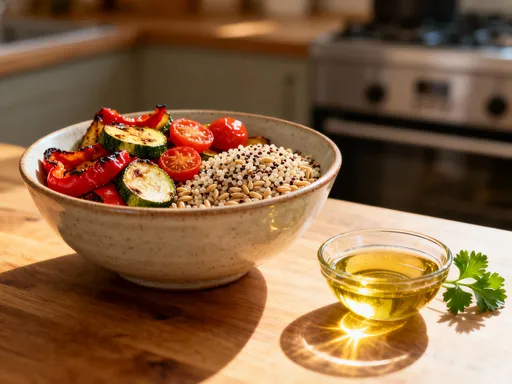
My strategy centered on batch cooking and smart storage. On Sundays, I roasted two large trays of mixed vegetables—such as broccoli, carrots, zucchini, and bell peppers—with olive oil, garlic, and herbs. I cooked a pot of quinoa or farro and prepared a few servings of grilled chicken or baked salmon. These components became the building blocks of weekday meals. For dinner, I might combine roasted vegetables with grain and fish, adding a fresh green salad. Leftovers became next-day lunches, packed in containers for ease.
Pantry staples were another game-changer. Canned beans—like chickpeas, lentils, and white beans—are rich in fiber and protein and require no prep. I always kept a supply on hand, rinsing and adding them to salads, soups, or grain bowls. Canned tuna or sardines in olive oil provided quick protein for sandwiches or pasta dishes. Whole grain pasta, tomatoes, olives, and capers allowed me to throw together a Mediterranean-style meal in under 20 minutes.
I also embraced one-pot meals and sheet pan dinners. A simple sheet pan of salmon, sweet potatoes, and Brussels sprouts roasted together required minimal cleanup. Lentil soup made in a slow cooker could feed the family for days. These recipes minimized effort while maximizing nutrition. I didn’t need to be in the kitchen for hours—just present enough to assemble ingredients and let the oven or pot do the work.
Planning didn’t mean perfection. Some weeks were busier than others. On those nights, I relied on frozen vegetables, pre-washed greens, or a simple omelet with vegetables and feta. The goal wasn’t flawless execution but consistent effort. By creating systems that worked with my life, not against it, I made healthy eating sustainable. Preparation wasn’t a chore—it became an act of care, a way of ensuring that even on the busiest days, I could nourish myself and my family well.
Social & Family Life: Staying on Track Without Feeling Left Out
Changing your eating habits can feel isolating, especially when others aren’t on the same path. I worried about being the “difficult” guest at family gatherings or the one who brought a special meal to a potluck. But I soon realized that flexibility and communication were the keys to staying aligned without sacrificing connection.
When dining out, I looked for restaurants with Mediterranean-inspired options—grilled fish, vegetable dishes, bean soups, or grain bowls. I wasn’t afraid to ask for modifications: dressing on the side, steamed vegetables instead of fries, or olive oil instead of butter. Most kitchens are happy to accommodate. I also learned to eat mindfully—savoring each bite, stopping when satisfied, and not feeling pressured to finish everything on the plate. This approach allowed me to enjoy meals out without guilt or restriction.
At holiday gatherings, I brought a dish I knew I could enjoy—a roasted vegetable tray, a lentil salad, or a fruit platter with nuts and yogurt dip. This ensured there was at least one option I felt good about eating. It also introduced others to delicious, healthy foods without being pushy. Over time, family members began asking for the recipes. My choices weren’t seen as restrictive—they were seen as flavorful and thoughtful.
With children, I focused on gradual exposure rather than strict rules. I included familiar foods alongside new ones, allowing them to explore at their own pace. A plate with grilled chicken, roasted sweet potatoes, and a small portion of pasta—alongside a side of steamed broccoli—offered balance without conflict. I avoided labeling foods as “good” or “bad,” instead emphasizing variety and enjoyment. This positive approach reduced resistance and helped my family develop a healthier relationship with food.
The goal wasn’t to be perfect at every meal. It was to stay connected while honoring my health goals. By choosing inclusion over isolation, I built a lifestyle that could last. Flexibility didn’t weaken my progress—it strengthened it, proving that healthy eating could coexist with love, celebration, and togetherness.
Long-Term Wins: What Changed After Six Months
After six months of consistent, flexible effort, the changes were undeniable—not dramatic, but meaningful. I had more energy throughout the day, fewer afternoon slumps, and better digestion. My skin looked clearer, my mood felt more stable, and I noticed a quiet sense of well-being that hadn’t been there before. Weight management became easier, not because I was dieting, but because I was eating in a way that supported my body’s natural balance.
These outcomes weren’t the result of extreme measures. They came from small, daily choices: choosing vegetables first, using olive oil, walking regularly, and eating with presence. There were no miracle cures or overnight transformations—just steady, cumulative progress. I didn’t follow the Mediterranean diet perfectly, but I lived by its principles most of the time, and that was enough.
Perhaps the most significant shift was in my mindset. I no longer saw food as the enemy or my body as a project to fix. Instead, I viewed eating as a form of self-respect—a daily opportunity to nurture myself. The Mediterranean diet stopped being a “diet” and became a way of life, adaptable to my schedule, preferences, and changing needs.
For anyone who has tried and failed in the past, I offer this: start small. Choose one swap, one habit, one meal. Let go of perfection. Focus on progress, not purity. The Mediterranean lifestyle isn’t about rigid rules—it’s about creating a sustainable, joyful way of living that supports your health for years to come. It’s not a short-term fix. It’s a long-term promise—to yourself, your body, and your well-being.