This Is Why Trincomalee’s Coastline Blew My Mind
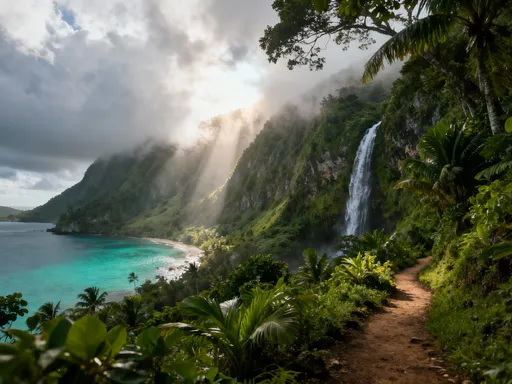
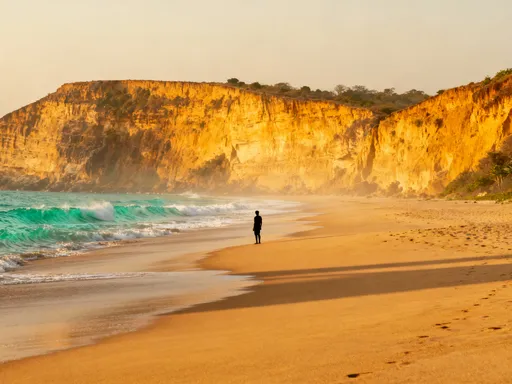
You know that feeling when you turn a corner and suddenly, nature just hits you? That’s exactly what happened in Trincomalee. Turquoise water, golden cliffs, and silence broken only by waves—I wasn’t ready. I came for a quick check-in, but stayed for the soul reset. If you’re chasing real, untouched beauty, this place doesn’t just deliver—it overflows. Let me take you through why this Sri Lankan gem is a natural masterpiece.
First Impressions: Arriving in Trincomalee
Reaching Trincomalee feels like stepping into a slower, more intentional world. Nestled on Sri Lanka’s northeastern coast, the town is not always the first stop on most itineraries, but that’s precisely what gives it its quiet magic. Most travelers arrive after a scenic six-hour drive from Colombo or a shorter journey from Kandy, winding through lush green highlands, rural villages with rust-colored earth, and stretches of coconut groves that shimmer under the tropical sun. As the road nears the coast, the air changes—salty, warm, and carrying the faint scent of jasmine from roadside shrines.
The first glimpse of Trincomalee Bay is unforgettable. One moment you’re on a dusty inland road, and the next, the land opens up to reveal a sweeping natural harbor, one of the largest in the world. The bay curves like a crescent, framed by rocky promontories and dotted with fishing boats painted in faded blues and reds. Unlike the bustling beaches of the southwest, such as Hikkaduwa or Bentota, Trincomalee feels unpolished and authentic. There are no neon signs or crowded boardwalks—just the rhythm of daily life unfolding by the sea.
What strikes visitors immediately is the sense of space. The coastline isn’t hemmed in by hotels or souvenir stalls. Locals fish from the rocks at dawn, children play barefoot on the sand, and monks in saffron robes walk quietly along the shore. The pace invites you to pause. There’s no pressure to “do” anything. You simply arrive, breathe, and begin to notice—the way light dances on the water at sunset, how the breeze carries the distant call to prayer from a mosque on the hill, or the sound of waves echoing against the stone walls of ancient temples. This isn’t tourism as performance; it’s travel as presence.
The Heart of Natural Beauty: Trincomalee’s Iconic Beaches
Trincomalee’s coastline is defined by its beaches—each with its own rhythm, texture, and charm. Among them, Uppuveli, Nilaveli, and Pasikudah stand out as the crown jewels of the region’s natural appeal. These aren’t just stretches of sand; they are ecosystems of light, water, and life that shift with the tides and the seasons.
Uppuveli Beach, just a short drive from the town center, offers a lively yet relaxed atmosphere. The sand is fine and pale gold, and the water is warm and inviting. It’s ideal for families, with shallow entry points perfect for children to splash safely. Unlike more commercialized beaches, Uppuveli maintains a low-key vibe—beach shacks serve fresh coconut water and grilled fish, and sun loungers are often just simple mats under thatched umbrellas. The best time to visit is late morning to early afternoon when the sun is high, and the water sparkles like liquid glass.
Just a little farther northeast, Nilaveli Beach feels even more serene. Longer and less crowded, it stretches for nearly three kilometers along a gently curving bay. The sand here is softer, and the sea floor slopes gradually, making it excellent for swimming. What sets Nilaveli apart is its proximity to marine life. On calm days, you can see schools of silver fish darting just below the surface. The beach is also a gateway to Pigeon Island, but even on its own, it offers a peaceful retreat. Sunrise walks here are particularly moving—when the sky shifts from indigo to peach, and the only footprints on the sand are your own.
Then there’s Pasikudah, located about 35 kilometers south of Trincomalee. Known for its incredibly shallow, calm waters, it’s one of the safest spots in Sri Lanka for non-swimmers and young children. The bay is so flat that you can walk dozens of meters into the sea without the water reaching your waist. This makes it perfect for floating, wading, or simply standing still and letting the gentle waves rock you. The coral reefs here are farther offshore, which contributes to the calmness of the lagoon-like waters. During the dry season, the visibility is exceptional, and the water takes on a mesmerizing shade of aquamarine that seems almost unreal in photographs—yet is entirely real in person.
Beyond the Shore: Snorkeling and Marine Life at Pigeon Island
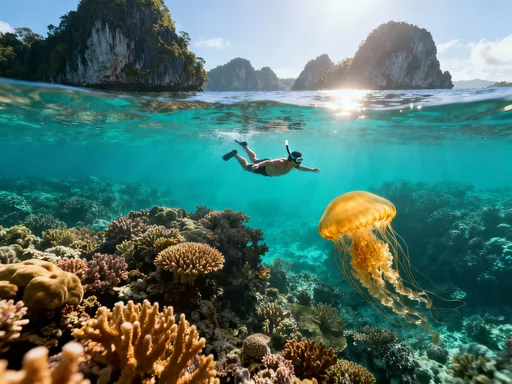
If there’s one underwater experience in Sri Lanka that captures the untouched beauty of the Indian Ocean, it’s snorkeling at Pigeon Island National Park. Located just off the coast near Nilaveli, this small coral island is one of the few remaining healthy coral reef systems in the country. Established as a national park in 2003, it was created to protect both the marine biodiversity and the fragile coral structures from overfishing and irresponsible tourism.
The snorkeling experience here is nothing short of transformative. Once you slip into the water, the world beneath the surface unfolds in vibrant detail. Bright orange clownfish dart through swaying sea anemones, parrotfish nibble at coral, and blue-spotted rays glide silently along the sandy bottom. Occasionally, a green sea turtle surfaces for air before vanishing into the blue. The coral itself is a living mosaic—branching staghorn, soft leather corals, and brain corals in shades of purple and green. Visibility often exceeds 15 meters, especially between May and September, when the waters are calmest and clearest.
Visitors must book their trips through licensed operators in Nilaveli or Trincomalee town. Boats depart early in the morning, typically between 7:00 and 8:30 a.m., to avoid the midday heat and crowds. The ride takes about 20 to 30 minutes, depending on sea conditions. Once at the island, guides brief snorkelers on reef etiquette—no touching, no feeding fish, and no standing on coral. These rules are strictly enforced to preserve the ecosystem.
One of the most remarkable aspects of Pigeon Island is how accessible it is. You don’t need to be an experienced diver to witness its wonders. With basic snorkeling gear and moderate swimming ability, most adults and older children can enjoy the experience. Life jackets are provided, and guides often swim alongside less confident guests. The best time to go is during the dry season, from May to October, when the seas are calm and the skies are clear. During the monsoon months, boat trips are suspended for safety, which also gives the reef time to recover.
Hidden Gems: Off-the-Beaten-Path Natural Spots
While the beaches and Pigeon Island draw the most attention, Trincomalee’s true magic often lies in its quieter corners—places where the footprints are few and the silence is deep. These hidden spots offer a different kind of travel experience: one rooted in discovery, solitude, and connection with nature in its purest form.
One such place is the hot water springs at Kanniya, located just a few kilometers from Trincomalee town. Believed to have therapeutic properties, these natural springs emerge from the ground at a temperature of around 40°C (104°F). The water is rich in minerals, and locals have long used it for bathing and healing. The site is simple—several stone pools fed by underground springs, shaded by trees and surrounded by quiet gardens. There are no luxury facilities, and that’s part of its appeal. Visitors can soak in the warm water while listening to birdsong and feeling the breeze off the nearby sea. It’s a gentle, grounding experience—especially welcome after long days of travel or sun exposure.
Another lesser-known destination is the Kudumbigala Forest Reserve, a biodiversity hotspot tucked into the interior hills. The reserve is home to rare bird species, monitor lizards, and even occasional sightings of elephants. A scenic trail leads through dense jungle, past ancient rock shelters once used by Buddhist monks, and up to a viewpoint that offers sweeping views of the surrounding landscape—rolling hills, paddy fields, and patches of untouched forest. The trail is not heavily marked, and few tourists make the journey, which adds to its sense of adventure. Hiring a local guide is recommended, both for safety and to learn about the medicinal plants and wildlife along the way.
For those who love coastal exploration, there are secluded coves and inlets accessible only by boat. Fishermen in Nilaveli sometimes offer private rides to hidden beaches where the sand is pristine and the water is undisturbed. These trips are informal and arranged on a goodwill basis, often through your guesthouse or a trusted driver. There’s no set itinerary—just a slow ride along the coast, stopping wherever the water looks inviting. These moments—swimming in complete solitude, eating a simple lunch of rice and fish on the sand, watching the sun dip behind the cliffs—stay with you long after you’ve left.
Nature’s Drama: Sacred Sites with Breathtaking Views
In Trincomalee, the boundary between nature and culture is beautifully blurred. Nowhere is this more evident than at Koneswaram Temple, perched dramatically on a rocky promontory known as Swami Rock, 400 feet above the Indian Ocean. This ancient Hindu temple, dedicated to Lord Shiva, has stood in various forms for over 2,000 years, destroyed and rebuilt through centuries of change. Today, it is both a place of deep spiritual significance and one of the most visually stunning viewpoints in Sri Lanka.
The climb to the temple is lined with stone carvings and small shrines, and the air carries the scent of incense and frangipani. As you approach the summit, the view opens up in all directions—the endless blue of the ocean, the curve of the bay, and the distant coastline stretching into the horizon. On clear days, you can see the entire sweep of Trincomalee Bay, with fishing boats like tiny specks on the water. The sound of waves crashing against the rocks far below adds a powerful rhythm to the experience, a constant reminder of nature’s force.
Sunrise is the most magical time to visit. As the first light spills over the sea, the temple stones glow in soft gold, and the sky shifts through shades of pink and orange. Devotees chant prayers, bells ring, and the atmosphere feels charged with quiet reverence. Even for those not religious, the combination of natural grandeur and human devotion creates a profound sense of awe. It’s a reminder that beauty can be both wild and sacred—that a place can inspire not just admiration, but also humility and gratitude.
Other sacred sites in the area, such as the Buddhist temple at Thiriyaya or the colonial-era St. Mary’s Church in Trincomalee town, also offer peaceful retreats with scenic surroundings. Each blends into the landscape in its own way, enhancing rather than interrupting the natural beauty. These sites are not tourist attractions in the commercial sense; they are living parts of the community, respected and maintained with care.
Travel Smart: When to Go and How to Move Around
Planning a visit to Trincomalee requires some attention to timing and logistics, but the rewards are well worth the effort. The best time to travel is during the dry season, which runs from May to September. During these months, the northeast monsoon has passed, the skies are clear, and the seas are calm—ideal for swimming, snorkeling, and boat trips. Rainfall is minimal, and temperatures hover between 28°C and 32°C (82°F to 90°F), making outdoor activities comfortable.
The off-season, from October to January, brings heavier rains and rougher seas. While the landscape becomes greener and more lush, many water-based activities are suspended for safety. February to April can be hot and humid, but it’s still possible to enjoy the beaches, especially in the mornings and evenings. If you’re visiting during peak season, it’s wise to book accommodations and boat tours in advance, particularly for Pigeon Island trips, which are limited in capacity to protect the reef.
Getting around Trincomalee is relatively straightforward. The town is compact, and many attractions are within walking distance or a short tuk-tuk ride. Tuk-tuks are the most common form of local transport—affordable, flexible, and driven by friendly, knowledgeable locals. A typical ride from the town center to Uppuveli or Nilaveli costs only a few dollars. For longer trips, such as to Kanniya or Kudumbigala, hiring a private driver for the day is a practical and comfortable option. Many guesthouses can arrange this for you.
Public buses are available but less convenient for tourists, as schedules can be irregular and routes are not always clearly marked in English. That said, they offer a glimpse into local life and are extremely economical. If you’re confident navigating public transport, buses can be a rewarding way to travel. Roads in the area are generally in decent condition, though some rural paths may be bumpy. Always carry water, sunscreen, and a hat, especially when traveling during the midday heat.
When visiting natural and sacred sites, a few etiquette tips go a long way. Dress modestly when entering temples—shoulders and knees should be covered. Remove your shoes before stepping onto temple grounds. Speak quietly and avoid loud behavior near religious sites. On the beaches, take your trash with you and avoid using plastic. Many local initiatives are working to keep the coastline clean, and visitors can support these efforts simply by being mindful.
Why Trincomalee Stays With You: The Emotional Impact of Untouched Nature
What makes Trincomalee unforgettable isn’t just its beauty—it’s the way that beauty makes you feel. In a world that often feels rushed, noisy, and overstimulated, this corner of Sri Lanka offers something rare: stillness. The kind of stillness that lets you hear your own thoughts again. The kind that reminds you that you’re part of something much larger than daily routines or digital screens.
Spending time on these shores does more than refresh the body; it recalibrates the mind. The rhythm of the waves, the warmth of the sun, the vastness of the ocean—these are not distractions, but anchors. They pull you into the present moment. You stop checking your phone. You start noticing small things: the way a crab scuttles across the sand, how the light changes on the water every hour, the taste of fresh mango eaten under a palm tree. These moments of awareness are small miracles, easily overlooked but deeply healing.
For many women in their 30s to 50s—often balancing family, work, and endless responsibilities—this kind of reset is not a luxury. It’s a necessity. Trincomalee doesn’t offer spa packages or guided meditation retreats (though you can find simple wellness options locally). Instead, it offers something more authentic: the healing power of nature itself. There’s no agenda, no pressure, no performance. Just space to breathe, to walk, to be.
And in protecting places like Trincomalee, we also protect a part of ourselves. Sustainable travel isn’t just about reducing plastic or choosing eco-friendly stays—it’s about traveling with respect. It’s about understanding that these landscapes exist not just for our enjoyment, but as living, breathing systems that sustain communities and ecosystems. When we visit with care, we ensure that future generations can also experience the wonder of a sunrise over Swami Rock, the thrill of seeing a turtle in the wild, or the simple joy of walking on an empty beach.
Trincomalee doesn’t shout for attention. It doesn’t need to. It simply exists, quietly magnificent. And for those who take the time to listen, to look, to feel—it offers a gift that lasts long after the tan has faded: the memory of a place where nature still breathes freely, and so do you.