You Gotta See These Hidden Photo Spots in Linz’s Public Spaces
Linz, Austria, is more than just a riverside city—it’s a visual playground hiding in plain sight. I wandered its public spaces with a camera and was blown away by how much beauty lives between the sidewalks, parks, and riverbanks. From unexpected street art to golden-hour reflections on the Danube, Linz delivers stunning, share-worthy moments without the crowds. If you're chasing authentic urban vibes and killer photo ops, this city deserves your lens. With its thoughtful urban design, seamless blend of history and innovation, and an abundance of green and open spaces, Linz offers photographers a rich tapestry of scenes waiting to be captured. This guide unveils the city’s most photogenic public spaces—places that invite curiosity, reward exploration, and inspire creativity.
The Danube Promenade: Where Light Meets Water
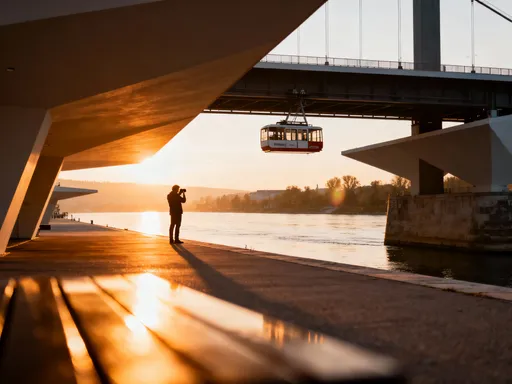
The Danube Promenade is Linz’s scenic spine, a gracefully designed riverside walkway that stretches along the northern bank of the mighty Danube River. More than just a path, it’s a dynamic stage where light, water, and architecture perform in harmony throughout the day. Early morning brings a soft, diffused glow that wraps around the river’s gentle curves, ideal for capturing mist rising off the water and the quiet solitude of joggers and dog walkers. The stillness of dawn offers perfect conditions for long-exposure photography, turning the river into a mirror that reflects the silhouettes of passing trams and distant hills.
As the sun climbs, the promenade transforms. Sunlight dances across the rippling surface, creating ever-changing patterns that can be framed with a telephoto lens to emphasize texture and movement. By late afternoon, the golden hour begins, casting a warm amber light across the river and illuminating the façades of riverside buildings. This is the prime time for photographers seeking atmospheric depth and emotional resonance. The interplay between shadow and light becomes especially dramatic near the Pöstlingbergbahn tram station, where the historic yellow tram climbs the hillside against a backdrop of shimmering water.
For those interested in urban storytelling, the promenade offers endless candid moments—children feeding ducks, couples pausing at benches, cyclists gliding past modern sculptures. A wide-angle lens captures the expansive river views, while a macro setting can isolate small details: dew on a leaf, ripples from a jumping fish, or the intricate texture of weathered stone along the embankment. The promenade is also lined with subtle design elements—metal railings shaped like musical notes, engraved quotes from local poets, and embedded LED lights that activate at dusk—each offering a unique photographic subject. Whether shooting in color or black and white, the Danube Promenade proves that simplicity often yields the most powerful images.
Main Square (Hauptplatz): A Fusion of Old and New
Hauptplatz, Linz’s central public square, is a masterclass in architectural harmony and urban vitality. Surrounded by colorful Baroque buildings with pastel facades and ornate cornices, the square pulses with energy while maintaining a sense of timeless elegance. It’s one of the largest and most beautifully preserved town squares in Central Europe, offering photographers a rich blend of historical detail and contemporary flair. The square’s cobblestone surface, laid in intricate geometric patterns, adds texture and depth to any composition, especially when dampened by rain and reflecting the surrounding architecture.
What sets Hauptplatz apart is its seamless integration of modern art into a historic setting. The *Voestalpine Stahlwelt* light installation, located at one end of the square, transforms the space after dark with dynamic LED displays that shift in color and intensity. These illuminated columns create a futuristic contrast against the 17th- and 18th-century buildings, offering a compelling juxtaposition that’s perfect for conceptual photography. Capturing this blend requires timing—late twilight, when both ambient light and artificial illumination are visible, produces the most balanced and dramatic results.
Seasonal changes also reshape the square’s photographic potential. In winter, a small ice-skating rink appears, surrounded by twinkling lights and warm wooden stalls selling glühwein and roasted chestnuts. This festive atmosphere invites warm-toned portraits and lively street scenes. In summer, outdoor café terraces expand, filling the square with the hum of conversation and the clink of glasses. These moments of everyday life—people sipping coffee, children chasing pigeons, musicians performing on street corners—add authenticity and narrative depth to any photo series.
For architectural photographers, the square’s symmetry and perspective lines offer ideal conditions for precise compositions. Shooting from one end toward the Old Town Hall or the Jesuit Church allows for strong leading lines and vanishing points. Using a polarizing filter can enhance the sky’s contrast and reduce glare on wet surfaces, while a neutral density filter helps manage bright midday light. Hauptplatz is not just a place to visit—it’s a living canvas where history and modernity coexist in visual dialogue.
Ars Electronica Center & the Robot Love Mural
The Ars Electronica Center, often called the “Museum of the Future,” anchors a district where science, art, and digital innovation converge. Its futuristic silver dome, resembling an eye, has become a symbol of Linz’s forward-thinking identity. The surrounding public space is equally compelling, designed as an open-air extension of the museum’s mission. Here, technology is not hidden behind glass—it’s embedded in the streets, walls, and sidewalks, creating a playground for experimental and conceptual photography.
One of the most photographed elements in this area is the iconic *Robot Love* mural, a vibrant, large-scale artwork depicting a robot with a heart-shaped core. Located on the side of a building near the museum entrance, it’s both whimsical and profound, inviting reflection on humanity’s relationship with machines. The mural’s bold colors and clean lines make it stand out against the urban backdrop, especially when framed with a wide-angle lens that includes pedestrians or passing trams for scale. Shooting during overcast conditions helps preserve the saturation of the paint, while backlighting at sunset can create a glowing halo effect around the robot’s silhouette.
Beyond the mural, the area features interactive light installations, kinetic sculptures, and digital projections that activate in the evening. These elements offer unique opportunities for long-exposure shots—light trails from moving sensors, glowing patterns on the pavement, or time-lapse sequences of evolving digital art. The reflective surfaces of the museum’s exterior also serve as natural mirrors, capturing distorted yet artistic reflections of the sky, people, and surrounding buildings. A polarizing filter can help reduce unwanted glare while enhancing contrast.
This district encourages photographers to think beyond traditional subjects. Instead of merely documenting what is seen, it invites interpretation—how do we frame emotion in a mechanical form? What does connection look like in a digital age? The answers unfold in the details: a child touching the mural’s heart, a couple taking a selfie with the robot, or a lone figure silhouetted against a pulsing light wall. These moments, layered with meaning and visual intrigue, make the Ars Electronica neighborhood one of Linz’s most inspiring photo destinations.
Kunstmeile: The Art Mile’s Open-Air Gallery
Stretching along the southern bank of the Danube, the Kunstmeile—literally “Art Mile”—is Linz’s open-air gallery, a curated stretch of public space dedicated to rotating contemporary art installations. Unlike static monuments, this dynamic corridor evolves with the seasons, featuring sculptures, sound art, and site-specific works by international artists. For photographers, this means the landscape is never the same twice, offering fresh inspiration with every visit. The area connects several cultural institutions, including the Lentos Art Museum and the Brucknerhaus concert hall, creating a seamless fusion of art, architecture, and nature.
One of the most compelling aspects of the Kunstmeile is its integration with the riverside environment. Sculptures are often placed to interact with the water, wind, or sunlight—some reflect in the Danube, others cast moving shadows, and a few even respond to environmental changes. A stainless-steel figure might shimmer in the midday sun, while a kinetic wind sculpture creates flowing lines that can be captured with slow shutter speeds. These interactions between art and nature produce organic, unpredictable compositions that reward patient observation and creative framing.
Timing is key when photographing the Kunstmeile. Many new installations are unveiled during major cultural events such as the Linz Festival or the Ars Electronica Festival, when the entire city becomes a stage for artistic experimentation. Attending during these periods allows photographers to capture not only the artworks but also the public’s engagement with them—children exploring interactive pieces, artists discussing their work, or crowds gathering for performances. These human elements add warmth and context to otherwise abstract subjects.
For those interested in minimalism, the clean lines of the riverside pathway and the uncluttered skyline provide a serene backdrop. A monochrome edit can emphasize form and contrast, turning a simple sculpture into a powerful geometric statement. Conversely, vibrant color photography works well during golden hour, when the low sun enhances the textures and hues of painted or metallic surfaces. Whether shooting wide landscapes or tight details, the Kunstmeile reminds us that public art is not just to be seen—it’s to be experienced, interpreted, and shared through the lens.
Pöstlingberg: City Views from Above
Rising 286 meters above the Danube, Pöstlingberg offers one of the most breathtaking vantage points in Linz. Accessible via the historic mountain tram—one of the steepest in the world—the journey itself is a photographic experience. As the yellow tram ascends through lush greenery and residential neighborhoods, the city unfolds below in layers, revealing its riverside layout, industrial heritage, and modern developments. The tram’s vintage charm, with its wooden interiors and panoramic windows, adds a nostalgic element to any photo series, especially when capturing fellow passengers gazing out at the expanding view.
At the summit, the public viewing areas provide unobstructed panoramas of Linz and the surrounding countryside. A wide-angle lens captures the full sweep of the city, with the Danube winding like a silver ribbon through the urban fabric. On clear days, the Alps are visible in the distance, adding a majestic backdrop to landscape compositions. But some of the most evocative images are made in less-than-perfect conditions—foggy mornings, when the city appears to float in a sea of clouds, or twilight, when streetlights begin to flicker on like stars awakening one by one.
The Pöstlingberg pilgrimage church, with its striking white façade and twin towers, stands as a focal point in many compositions. Framed against a dramatic sky or reflected in a rain puddle on the viewing platform, it becomes both a religious symbol and a visual anchor. Nearby, the Grotto Trail—a series of illuminated chapels carved into the hillside—offers atmospheric opportunities, especially after dark when the soft glow of candles creates a serene, almost ethereal mood. These moments, rich in texture and emotion, invite contemplative photography that goes beyond mere documentation.
For portrait photographers, the hilltop’s natural light is exceptionally flattering. The high elevation means softer, more diffused illumination, ideal for capturing gentle skin tones and natural expressions. Couples, families, and solo travelers often pause here to take in the view, creating spontaneous moments of quiet joy or reflection. The combination of elevation, light, and emotional resonance makes Pöstlingberg not just a scenic overlook, but a place where memories are made—and beautifully photographed.
Hidden Courtyards and Green Oases
Amid Linz’s urban rhythm lie quiet sanctuaries—hidden courtyards, community gardens, and secluded green spaces that offer a gentle contrast to the city’s more dynamic areas. These oases, often tucked behind unassuming entrances or nestled within historic buildings, provide intimate settings for nature photography, soft-light portraits, and meditative compositions. One such gem is the garden at Landgut Schönberg, a restored 18th-century estate on the city’s outskirts. Its terraced lawns, blooming flowerbeds, and shaded arbors create a pastoral retreat where time seems to slow.
The play of light in these spaces is particularly enchanting. Morning sun filters through tree canopies, casting dappled patterns on stone pathways. Late afternoon brings golden beams that highlight the texture of ivy-covered walls and the delicate veins of leaves. These conditions are ideal for macro photography—capturing dewdrops on spiderwebs, the intricate structure of a flower, or the subtle color gradients in moss growing on old brick. A tripod and shallow depth of field can isolate these small wonders, turning them into poetic visual statements.
Other lesser-known spots include the inner courtyards of the Old Town, where centuries-old buildings enclose small gardens filled with potted plants, bird feeders, and wooden benches. These spaces, often invisible from the street, are maintained by residents who cherish their privacy and tranquility. Photographing them requires discretion and respect—focusing on architectural details, plant life, or the interplay of light and shadow rather than intrusive portraits. A telephoto lens allows for distant, non-invasive shots that still convey the warmth and character of these hidden retreats.
These green spaces also support biodiversity, attracting butterflies, bees, and songbirds. Capturing wildlife in motion—such as a bee landing on lavender or a robin hopping across a lawn—adds vitality and spontaneity to a photo collection. The stillness of these locations encourages mindfulness, reminding photographers to slow down, observe, and appreciate the quiet beauty that exists just beyond the main thoroughfares. In a world of constant movement, Linz’s hidden courtyards offer a rare gift: peace, privacy, and photographic serenity.
Street Life & Urban Details: Capturing the Pulse
To truly understand a city, one must look beyond its landmarks and focus on the details that define daily life. In Linz, these moments unfold naturally across its public spaces—on bicycle lanes, in café corners, along tram tracks, and in the gestures of its people. The city’s commitment to walkability and sustainable living means that street life is vibrant, orderly, and full of visual rhythm. Photographers who tune into this pulse discover a wealth of storytelling opportunities in the ordinary.
Consider the bicycle culture—Linz is a city where cycling is not just transportation but a way of life. Bike lanes are wide, well-marked, and often bordered by trees or flowerbeds. Capturing cyclists in motion, especially during sunrise or golden hour, creates dynamic compositions with strong leading lines and a sense of movement. Reflections of bikes in puddles, shadows cast on pavement, or a child’s helmet catching the sun—all are small details that speak to the city’s character.
Café culture is another rich vein for street photography. Outdoor seating areas in Hauptplatz, along the Danube, or in quiet side streets become stages for human connection. The ritual of coffee drinking—the steam rising from a cup, the clink of a spoon, the smile exchanged between friends—offers intimate, universal moments that resonate across cultures. Shooting these scenes with a 50mm prime lens allows for natural perspective and shallow depth of field, focusing attention on emotion and gesture.
Trams, too, contribute to Linz’s visual identity. Their sleek, modern design and frequent presence create opportunities for reflection shots—capturing the city’s skyline mirrored in their curved windows or the blur of motion as they pass by. Waiting passengers, tram interiors, and the interplay of light and metal all add layers to a photographic narrative. Even small urban details—manhole covers with city insignias, street signs in Gothic font, or graffiti tags that blend into brickwork—can become compelling subjects when framed with intention.
Capturing street life requires patience, empathy, and ethical awareness. Always prioritize respect for privacy—avoid photographing people in vulnerable moments or without consent in close proximity. Instead, focus on candid yet dignified scenes that celebrate the rhythm of urban living. These images, when woven together, form a visual diary of Linz—not as a postcard, but as a lived-in, breathing city.
Linz proves that extraordinary photos don’t require famous landmarks—just a curious eye and the willingness to explore public spaces with intention. It’s a city where design, nature, and culture coexist, offering photographers both inspiration and serenity. From the reflective calm of the Danube to the vibrant pulse of Hauptplatz, from futuristic murals to hidden garden courtyards, Linz reveals its beauty in layers. Each corner invites discovery, each moment holds a story. Pick up your camera, step off the beaten path, and let Linz surprise you—not with grandeur, but with grace, authenticity, and quiet wonder. The best shots are not found—they are noticed.