You Gotta See This – Agana’s Hidden Natural Beauty Just Blew My Mind
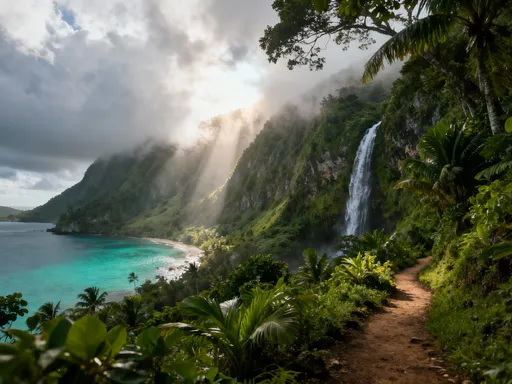
Stepping into Agana, Guam, I expected city vibes – not the wild, untouched nature waiting just around the corner. Lush valleys, ocean-kissed cliffs, and trails that lead to pure serenity – this place is a natural playground hiding in plain sight. From the first breath of that salty, jungle-scented air, I knew I’d underestimated it. If you're craving raw, authentic landscapes where the Pacific meets tropical greenery, Agana might just be your next must-visit escape.
First Impressions: Beyond the City Streets of Agana
Agana, the capital of Guam, often appears on travelers’ itineraries as a logistical hub rather than a destination in itself. With its government buildings, local shops, and modest urban layout, the city center gives the impression of a quiet administrative heart. Many visitors pass through without pausing, assuming the island’s true beauty lies elsewhere. Yet those who take a moment to look beyond the paved roads and low-rise structures quickly discover that nature is not just nearby—it’s interwoven into the fabric of daily life in Agana.
Within minutes of leaving the central plaza, patches of vibrant greenery emerge. Towering breadfruit trees shade quiet residential lanes. Hibiscus and plumeria bloom beside weathered stone walls. The air carries a blend of earth, salt, and flowering shrubs, a sensory cue that the jungle and ocean are never far. Even in the city, the presence of nature is constant and comforting, a reminder that Agana is not separate from Guam’s wilder side but deeply connected to it.
What makes this blend unique is the cultural respect for the land, known locally as *ina*, or mother. For generations, Chamorro families have lived in harmony with the environment, drawing sustenance from the sea and soil while preserving traditions that honor natural cycles. This connection shapes how residents interact with their surroundings—whether tending home gardens, collecting rainwater, or sharing stories about ancestral ties to the land. Visitors who take time to observe this relationship gain a deeper appreciation for Agana not as a mere city, but as a living bridge between modern life and island heritage.
The Heart of the Landscape: Tumon Bay and Its Natural Wonders
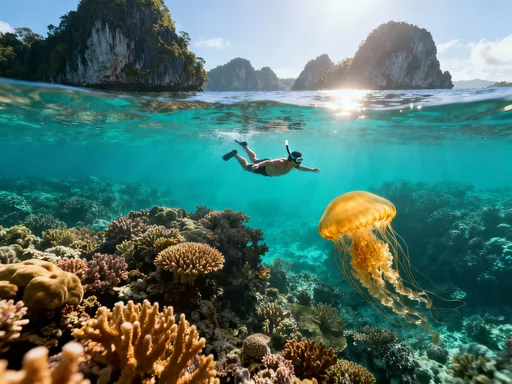
Just a short drive from Agana lies Tumon Bay, one of Guam’s most celebrated natural treasures. Known for its powdery white-sand beaches and calm, turquoise waters, the bay offers more than postcard-perfect scenery—it serves as a vital marine ecosystem teeming with life. Beneath the surface, coral reefs shelter an array of tropical fish, sea turtles, and invertebrates, forming a delicate underwater world that draws snorkelers and marine enthusiasts from around the globe.
The health of Tumon Bay’s reef system is a point of pride and ongoing concern for local conservationists. Over the years, rising sea temperatures, storm damage, and human activity have stressed the coral, prompting community-led efforts to monitor and protect these fragile formations. Organizations such as the Guam Coral Reef Initiative work with scientists and volunteers to conduct reef surveys, promote sustainable tourism, and educate the public on the importance of preserving marine biodiversity. Their efforts have helped stabilize certain areas, offering hope for long-term recovery.
For visitors, engaging with Tumon Bay responsibly means choosing eco-friendly activities. Snorkeling is a favorite way to experience the underwater landscape, allowing guests to float above coral gardens without disturbing the seabed. Paddleboarding offers a quieter alternative, letting travelers glide over shallow lagoons while minimizing noise and pollution. Both activities provide intimate encounters with nature while encouraging mindfulness about one’s environmental footprint. When done with care, these experiences deepen the connection between people and the Pacific environment.
Hiking Trails That Deliver: Paths to Panoramic Views
For those eager to explore beyond the shoreline, Agana offers access to several scenic hiking trails that reveal Guam’s dramatic topography. These paths wind through dense tropical forest, climb limestone cliffs, and open onto breathtaking overlooks where the ocean stretches to the horizon. While not as rugged as mountain treks on larger islands, these trails are perfectly suited for travelers seeking moderate adventure with rewarding views.
One popular route begins near the edge of Agana and follows a gently ascending path through moist forest. Towering ferns, wild orchids, and the occasional fruit bat glimpsed in the canopy mark the journey. The trail eventually opens to a cliffside vista overlooking the western coast, where waves crash against ancient rock formations below. On clear days, the curvature of the island is visible, and distant islets dot the blue expanse. This vantage point offers a moment of stillness, a chance to absorb the vastness of the Pacific and the quiet strength of the land.
Another accessible trail leads to a historic observation point once used by local navigators. Though the original structure is gone, the site remains significant, offering unobstructed views of both sunrise and sunset. Hikers often pause here to take photographs, meditate, or simply breathe in the ocean air. The path is well-marked and maintained, though the tropical humidity can make the climb more challenging in midday heat. Therefore, the best times to hike are early morning or late afternoon, when temperatures are cooler and wildlife is more active.
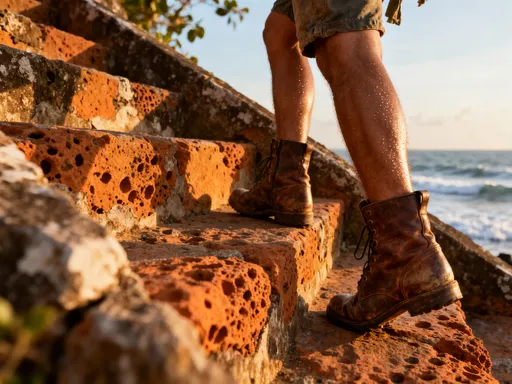
Safety is key when exploring these trails. Visitors are advised to wear sturdy footwear, carry plenty of water, and stay on designated paths to protect both themselves and the environment. Sun protection is essential, and it’s wise to hike with a companion, especially on less-traveled routes. With these precautions, the trails near Agana become not just scenic escapes, but safe and enriching extensions of the island experience.
Hidden Waterfalls and Secret Valleys: Exploring Guam’s Interior
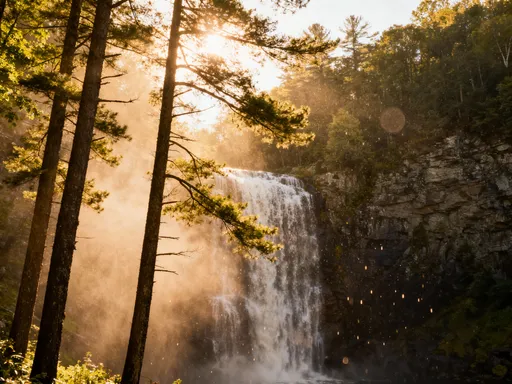
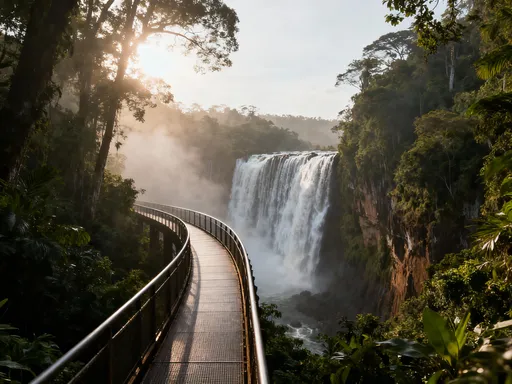
Deeper inland from Agana, tucked between rolling hills and thick jungle, lie some of Guam’s most serene natural features—hidden waterfalls and freshwater valleys often missed by casual tourists. These secluded spots, reached by modest drives and short walks, offer a different kind of beauty: quiet pools fed by seasonal streams, shaded by overhanging trees and alive with the sound of trickling water. They are places of peace, where time seems to slow and the outside world fades away.
One such valley, accessible via a well-kept local road, opens to a small cascade that spills into a rocky basin below. The water, cool and clear, invites wading and quiet reflection. Surrounding the pool, smooth stones and moss-covered boulders create a natural amphitheater, softened by ferns and wild ginger plants. Birdsong fills the air, and dragonflies dart above the surface. There are no facilities, no signs, and no crowds—just nature in its unspoiled state.
Visiting these fragile environments requires responsibility. The principle of Leave No Trace is especially important here. Travelers are encouraged to pack out all trash, avoid using soaps or lotions in the water, and refrain from carving or marking rocks. Even seemingly harmless actions, like stacking stones or picking flowers, can disrupt local ecosystems. By practicing mindful visitation, guests help preserve these spaces for future generations and honor the cultural value placed on environmental stewardship.
Local guides occasionally lead small groups to these locations, offering insights into native plants, traditional uses of the land, and the stories tied to specific sites. These tours not only enhance understanding but also support sustainable tourism by directing visitors to appropriate areas and minimizing environmental impact. For families or solo travelers seeking a deeper connection with Guam’s interior, such experiences offer both discovery and respect.
Sunset Spots That Stop You in Your Tracks
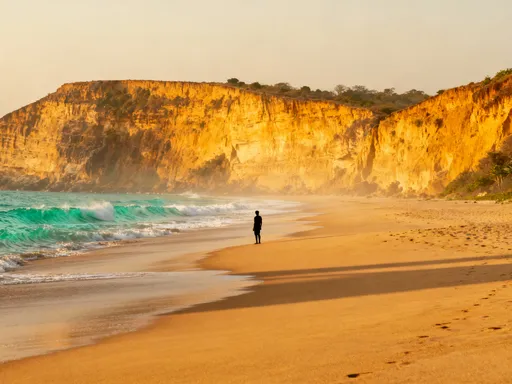
In Agana and its surrounding areas, the daily sunset is not just a visual event—it’s a ritual. As the sun dips toward the western horizon, the sky transforms into a canvas of gold, rose, and lavender, reflected in the calm waters of the Pacific. Locals and visitors alike gather at favorite vantage points to witness this quiet spectacle, often in silence, as if paying quiet homage to the day’s end.
One of the most cherished spots is a small coastal bluff just outside the city, reachable by a short walk from a quiet neighborhood. Benches have been placed here by the community, facing west, offering unobstructed views of the ocean. As twilight deepens, families arrive with blankets, children play at the edge of the grass, and couples sit side by side, watching the light fade. The atmosphere is gentle, communal, and deeply soothing.
Another favorite is a grassy overlook near a historic village site, where ancient stone paths lead to the edge of a cliff. From here, the sunset appears to melt into the sea, creating a shimmering path of light across the water. This location holds cultural significance, as it was once a gathering place for storytelling and family ceremonies. Today, it remains a place of reflection, where modern visitors can feel a sense of continuity with the past.
What makes these sunset moments so powerful is their simplicity. No fireworks, no music, no announcements—just the natural rhythm of the island. Slowing down to witness this daily gift fosters a sense of gratitude and presence, qualities that enrich the travel experience. For many, these quiet evenings become the most memorable part of their stay, not for their excitement, but for their peace.
Local Connection: How Nature Shapes Daily Life in Agana
In Agana, nature is not something kept at a distance for weekend outings—it is part of everyday life. Residents grow fruit trees in their backyards, collect rainwater for gardening, and rely on the sea for fresh fish. The rhythm of the seasons, the tides, and the weather all influence how people plan their days. This deep integration of environment and lifestyle fosters a respect that is both practical and spiritual.
One of the best places to observe this connection is the weekly farmers’ market held on the outskirts of the city. Here, local growers display baskets of papaya, banana, mango, and taro, all harvested from nearby plots. Vendors share tips on ripening techniques or traditional recipes, creating a sense of community and shared knowledge. Handwoven baskets, made from coconut fronds, sit beside jars of homemade jam, each item reflecting a commitment to sustainability and craftsmanship.
Children learn about native plants in school, and elders pass down stories about the healing properties of certain leaves or the best times to fish based on lunar cycles. These traditions are not relics—they are living practices that continue to shape identity and daily choices. For visitors, engaging with these customs—whether by buying local produce, asking questions, or simply listening—opens a window into a way of life that values balance, patience, and care for the earth.
This cultural respect extends to conservation efforts. Many families participate in beach cleanups, tree planting, and reef monitoring, viewing these activities as acts of responsibility rather than obligations. When travelers support local businesses, choose eco-conscious tours, and follow environmental guidelines, they become part of this shared mission, contributing to the island’s long-term well-being.
Practical Tips for Experiencing Agana’s Natural Side
To make the most of Agana’s natural offerings, timing and preparation are essential. The best period to visit is during the dry season, which typically runs from December to June. During these months, rainfall is minimal, skies are clear, and ocean conditions are ideal for snorkeling and coastal walks. Traveling outside of major holidays also means fewer crowds, allowing for more intimate experiences at popular sites.
Getting around requires some planning. While Agana is compact, many natural attractions are located in surrounding villages or protected areas. Renting a car offers the most flexibility, with several reputable agencies providing well-maintained vehicles. Public transportation exists but is limited in frequency and reach, so it’s best suited for short trips within the city. Ride-sharing services and local tour operators also offer guided excursions to key destinations, which can be a convenient and informative option.
Packing appropriately enhances comfort and safety. Lightweight, breathable clothing made from moisture-wicking fabrics helps manage the tropical heat. A wide-brimmed hat, polarized sunglasses, and reef-safe sunscreen protect against sun exposure without harming marine life. For hiking and water activities, water shoes with good grip are recommended, especially on rocky or slippery terrain. A reusable water bottle, small backpack, and waterproof phone case complete the essentials.
Travelers should also carry a basic first-aid kit and stay informed about weather conditions, particularly during typhoon season. Checking local advisories before heading to trails or remote beaches ensures a safe and enjoyable experience. By preparing thoughtfully, visitors can focus on the beauty around them, confident they are equipped for the island’s unique environment.
Conclusion
Agana is more than a capital city – it’s a gateway to Guam’s breathtaking natural soul. By stepping beyond the sidewalks and embracing its landscapes, travelers discover a deeper, more meaningful connection to this Pacific island. Whether you're chasing views, quiet moments, or adventure, Agana’s wild side offers an unforgettable journey – one that reminds us why we travel in the first place. It’s not just about seeing new places, but about feeling them—through the scent of rain on warm earth, the cool touch of a waterfall, or the hush of a sunset over the sea. In Agana, nature doesn’t wait to be discovered; it welcomes you with open arms, inviting you to slow down, look closely, and remember the quiet wonders of our world.