What No One Tells You About Galle’s Tricky Terrain
You know what? Galle, Sri Lanka, is absolutely stunning—but its unique landscape can catch you off guard. I thought I was ready for the cobblestone alleys and sloping streets, but my sneakers screamed in protest by midday. From the UNESCO fort to hidden coastal paths, the terrain shapes your entire experience. This is not your average beach town stroll. If you’re planning a trip, understanding these ground-level realities can make or break your adventure. Let me break down what you really need to know.
Arrival Shock: First Steps in Galle Reveal Everything
The moment you step out of your transport in Galle, the city announces itself not with a greeting, but with a stumble. After a smooth ride along the flat coastal highway, the sudden shift in elevation is startling. The historic core of Galle rises gently but insistently above the surrounding lowlands, built atop ancient coral rock formations that resist leveling. What looks like a simple walk from the bus stop or taxi drop-off becomes an immediate test of balance and endurance. Uneven stone slabs, cracked paving, and subtle but persistent inclines greet visitors before they’ve even caught their breath. The charming colonial-era buildings and ocean breeze may distract at first glance, but the ground beneath your feet tells a different story—one of resilience, adaptation, and centuries of wear.
Luggage with wheels, so convenient elsewhere, becomes a burden here. Rolling a suitcase over cobblestones is not just difficult—it’s nearly impossible without risking damage to both the bag and your shoulders. Many first-time visitors learn this the hard way, tugging wheeled bags up slight but relentless rises, only to give up and carry them by hand. Even lightweight carry-ons can become unwieldy on the irregular surfaces found just outside Galle Fort. The narrow gateways and historic infrastructure were never designed for modern travel gear. Travelers who come prepared with backpacks or soft-sided duffels have a distinct advantage. These flexible options conform to the terrain and allow for easier navigation through tight passages and up steep entries.
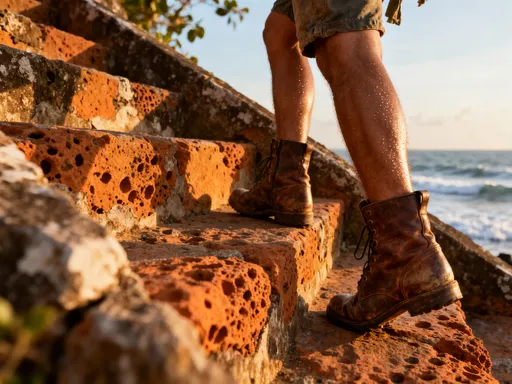
Footwear, more than any other factor, determines how smoothly your arrival unfolds. Flip-flops, while tempting in the tropical heat, offer little support and are prone to slipping on slick or uneven stones. Thin-soled shoes quickly transmit every bump and ridge into your feet, leading to fatigue within minutes. What feels like a short walk from the parking area to your guesthouse can stretch into a grueling trek if your feet aren’t properly supported. The best choice is a pair of lightweight, breathable walking shoes with good grip and arch support. These not only protect your feet but also reduce strain on your knees and lower back as you adjust to the city’s natural rhythm. Proper footwear isn’t a luxury in Galle—it’s a necessity that transforms discomfort into ease.
The Fort’s Deceptive Charm: Beauty With a Price
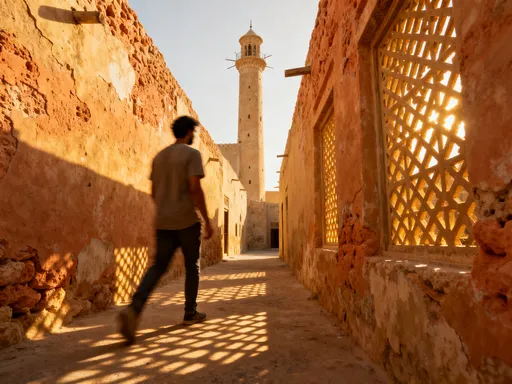
Galle Fort is undeniably one of the most picturesque destinations in South Asia. Its 17th-century Dutch ramparts curve gracefully along the Indian Ocean, enclosing a maze of colonial buildings, boutique hotels, and shaded courtyards. The architecture speaks of elegance and history, but the ground beneath your feet tells a different tale—one shaped by coral rock, centuries of weathering, and a construction philosophy that prioritized defense over convenience. The streets within the fort are rarely level. What appears to be a flat path may rise or dip unexpectedly, with steps appearing where none were anticipated. The original builders used the natural topography to their advantage, constructing walls and homes directly onto the rugged limestone base, resulting in surfaces that are as irregular as they are historic.
Walking through the fort requires constant attention. Tripping hazards are everywhere—loose stones, uneven joints between bricks, and sudden changes in elevation can catch even the most cautious traveler off guard. Sun exposure adds another layer of challenge. While the narrow lanes provide welcome shade at certain times of day, many of the open plazas and outer walls offer little protection from the tropical sun. There are few designated resting spots with benches or shelters, so planning your route with rest breaks in mind is essential. Carrying water and wearing a hat or light scarf can make a significant difference in comfort and stamina.
To navigate the fort wisely, timing matters. The early morning hours, between 7:00 and 9:00 a.m., offer the most favorable conditions. The air is cooler, the light is soft and ideal for photography, and the streets are relatively quiet. This is the perfect window to explore without overheating or contending with crowds. Late afternoon, around 4:00 p.m., brings a second opportunity as the sun begins to lower, casting golden light across the ramparts. Midday, especially between 11:00 a.m. and 3:00 p.m., is best avoided for extensive walking unless you’re prepared for intense heat and glare. Choose footwear with cushioned soles and non-slip treads—rubber outsoles with deep lugs provide excellent grip on both dry and damp stone. Most importantly, allow yourself to move slowly. Rushing through the fort means missing its details and increasing the risk of missteps. Let the terrain set your pace, not your itinerary.
Coastal Trails: Where the Land Meets the Wild Ocean
Along the southern edge of Galle Fort, a series of informal walking paths trace the coastline, offering breathtaking views of crashing waves and dramatic rock formations. The most well-known of these leads to Flag Rock, a historic lookout point once used by Dutch sailors to signal incoming ships. These trails are not engineered walkways but organic extensions of the natural landscape—carved by time, tides, and foot traffic. They follow the contours of the coral cliffs, winding over boulders and around outcrops, providing an intimate connection with the sea. But this closeness comes with real risks. The terrain is constantly shifting due to erosion, wave action, and seasonal weather patterns. What was a stable path one season may become unstable the next.
During the monsoon months, particularly from May to September, sections of the coastal trail can become extremely slippery. Rainwater seeps into the porous rock, and wave spray coats the surface with a slick film of salt and moisture. Loose gravel and fragmented coral pieces scatter the path, creating unstable footing. In some areas, the drop-off to the ocean below is unprotected—there are no guardrails or warning signs. A misstep near the edge could have serious consequences, especially when waves surge during high tide. Parents with young children should exercise extra caution, keeping a firm hand on small explorers who may be drawn to the edge by curiosity.
The safest times to walk these coastal routes are during low tide and in dry weather. Morning hours provide the best visibility and cooler temperatures. Always check the tide schedule before setting out—many paths become inaccessible or dangerous when the sea rises. Wear closed-toe shoes with excellent traction, and avoid cotton socks, which retain moisture and increase the risk of blisters. Carry a small backpack with water, sunscreen, and a lightweight rain cover in case of sudden showers. Stay on marked or well-trodden sections of the path, and never attempt to climb down onto isolated rocks or ledges. The ocean here is powerful and unpredictable. Respect its force, and let the natural rhythm of the coast guide your journey.
Beyond the Fort: Village Paths and Hidden Access Routes
Just outside the fortified walls, Galle unfolds into a network of residential neighborhoods, local markets, and quiet lanes that reveal the everyday life of the city. Areas like Peliyagoda, Nagoda, and Meegahatenna offer authentic glimpses into Sri Lankan coastal culture, but they also present a different kind of terrain challenge. Here, paved roads give way to packed earth, gravel, and uneven concrete slabs. Many paths are little more than foot-wide corridors between homes, with sudden steps, dips, or puddles after rainfall. Drainage is often limited, so even a brief shower can leave behind muddy patches that persist for hours. These conditions are normal for locals, who navigate them with ease in sandals or bare feet, but they can be surprising for visitors expecting consistent pavement.
Another defining feature of these areas is the dominance of motorbikes. In narrow lanes where cars cannot pass, motorbikes are the primary mode of transport. They move quickly and quietly, often appearing around corners with little warning. Pedestrians must remain alert and yield frequently, stepping aside onto slightly raised edges or doorways to allow passage. This dynamic requires constant awareness and adaptability. Children dart between homes, dogs rest in shaded spots, and laundry lines stretch overhead—each element adding to the complexity of movement. While these neighborhoods are welcoming and safe, their layout demands a slower, more observant pace of travel.
Navigating beyond the fort also exposes the limitations of digital maps. GPS signals can be unreliable in tight alleys or areas surrounded by tall walls. Street names may not appear on apps, or multiple paths may lead to the same destination without clear labeling. In these moments, the most effective tool is still a friendly local. Residents are generally happy to point the way, often using landmarks like a particular tree, shop, or temple as reference points. Learning a few basic Sinhala phrases—such as "kohomada?" (how far?) or "eka kade?" (where is it?)—can go a long way in building rapport and ensuring you stay on track. Carrying a simple paper map as a backup can also provide peace of mind when technology fails.
Beach Approaches: Not as Easy as They Look
Some of Galle’s most beloved beaches, including Unawatuna, Jungle Beach, and Dalawella, are not directly accessible from main roads. Reaching them requires descending steep, often narrow staircases carved into the coastal cliffs. These paths, while scenic, are physically demanding—especially when carrying beach gear. What guidebooks describe as a "short walk" can feel much longer when you're balancing towels, a cooler, and a sunshade on uneven steps. The stairs themselves vary in condition: some are well-maintained with handrails, while others are worn smooth by salt and foot traffic, making them slippery when damp. In certain areas, makeshift wooden planks or loose stone steps have been added over time, creating an inconsistent and sometimes unstable surface.
For travelers with mobility concerns, these approaches pose significant challenges. Strollers, walkers, and wheelchairs are generally not practical for reaching most of these beaches. Even sturdy sandals may not provide enough grip on smooth stone steps, particularly in the heat of the day when surfaces become slick with sweat or seawater spray. Parents with young children should consider using a baby carrier instead of a stroller, as it allows for greater stability and freedom of movement. Older adults or those with knee issues may find the descent manageable but the ascent tiring, so planning rest stops or arranging for a return ride is wise.
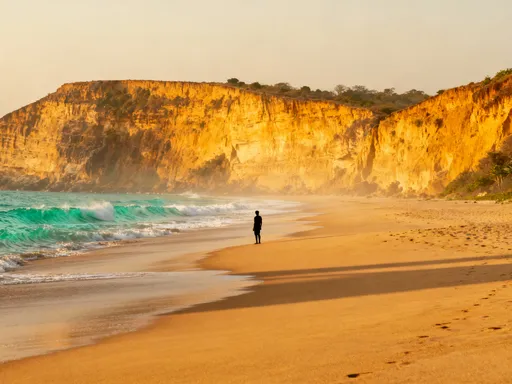
The effort required to reach these beaches is often underestimated. A round-trip descent and climb can easily add 30 to 45 minutes of physical exertion to your beach day. To minimize strain, pack light and use a backpack to keep your hands free. Choose footwear with secure straps and cushioned soles—avoid flip-flops for the climb. If you plan to visit frequently, consider staying in accommodations closer to beach access points. Some guesthouses offer shuttle services or private pathways, which can save energy and enhance comfort. Remember, the beauty of these beaches lies not just in their turquoise waters and golden sand, but in the journey it takes to reach them. That effort deepens the sense of arrival and makes the experience more rewarding.
Weather’s Role: How Rain Transforms the Ground Beneath You
In Galle, weather doesn’t just affect the sky—it reshapes the ground. Brief but intense tropical downpours are common, especially during the inter-monsoon periods and the southwest monsoon season. These rains, while refreshing, can dramatically alter walking conditions within minutes. Dirt paths in residential areas turn into slippery mud, and stone steps become hazardous with a thin film of runoff. Even within the fort, centuries-old drainage systems can’t always keep up, leading to temporary puddles, flowing rivulets, or mini waterfalls cascading down staircases. What was a dry, stable path in the morning may become a slick obstacle course by afternoon.
The porous nature of the coral rock underlying much of Galle means water drains quickly in some areas but pools unexpectedly in others. Low-lying sections of pathways, particularly near the outer walls, can flood briefly after heavy rain. While these conditions rarely last more than an hour or two, they require adjustment. Waterproof or quick-dry footwear becomes essential during the wetter months. Sandals with excellent grip—such as those with rubber soles and textured footbeds—offer both breathability and safety. Closed shoes made of mesh or synthetic materials that dry quickly are also good choices. Avoid leather or fabric shoes that absorb water and take hours to dry, as they can lead to discomfort and blisters.
Smart packing makes a big difference in rainy conditions. A compact, lightweight rain cover for your backpack protects your belongings and keeps your hands free. A foldable umbrella is useful, but be mindful of strong gusts near the coast. Quick-dry clothing made of moisture-wicking fabrics helps maintain comfort and prevents chafing during extended walks. If rain begins while you’re out, don’t rush—move carefully, as wet surfaces increase the risk of slips. Seek shelter under covered walkways or shop eaves, and wait for the downpour to pass. Many locals pause during heavy rain, resuming their day once the skies clear. Adopting this relaxed rhythm allows you to stay safe while still enjoying the beauty of Galle in all its moods.
Smart Traveler’s Playbook: Adapting to Galle’s Unique Layout
Traveling wisely in Galle means preparing for its terrain with practical gear and a flexible mindset. Supportive footwear remains the cornerstone of comfort—choose shoes designed for urban exploration with cushioned midsoles and durable outsoles. A lightweight walking stick or trekking pole can provide extra stability, especially on steep descents or slippery paths. While not commonly used by tourists, a collapsible pole can be a discreet aid for those with joint sensitivity or balance concerns. A well-fitted backpack distributes weight evenly and keeps your hands free, making it easier to navigate stairs, hold railings, or accept help from locals.
When planning your routes, consider elevation changes. Many digital maps show distance but not incline, so look for contour-aware tools or consult local guides who understand the physical demands of different paths. Break longer walks into segments with rest points at cafes, temples, or shaded benches. Galle rewards slowness—rushing leads to fatigue and missed details. Allow time to pause, observe, and absorb the surroundings. Let the terrain guide your rhythm rather than forcing your itinerary to fit a rigid schedule.
Embracing Galle’s challenges leads to a deeper connection with the place. The uneven stones, steep climbs, and winding lanes are not obstacles to overcome but elements of its character. They reflect centuries of history, the power of the ocean, and the resilience of the people who live here. By preparing thoughtfully and moving with care, travelers gain more than comfort—they gain insight. Every step on Galle’s rugged ground becomes a conversation with the past and a celebration of the present.
Galle’s special terrain isn’t a flaw—it’s part of its soul. The rocky lanes, steep drops, and winding paths tell stories of history, nature, and resilience. While they pose real challenges, they also deepen the journey, making every step feel earned. By preparing for the ground underfoot, travelers gain more than comfort—they gain connection. So lace up wisely, move with care, and let Galle reveal itself, one uneven stone at a time.