You Won't Believe These Hidden Natural Wonders in New York
When you think of New York, skyscrapers and subways come to mind—but beyond the urban rush lies something unexpected: breathtaking natural beauty. I was stunned to discover waterfalls, ancient forests, and serene lakes just hours from the city. These hidden escapes offer peace, adventure, and fresh air without the crowds. If you're craving nature that feels truly wild, New York might be your next surprise. While many tourists never look past Times Square or Central Park, a quieter, greener side of the state waits in the wings—places where the only soundtrack is rustling leaves and distant bird calls. This is not the New York most people know, but perhaps the one they need to.
Reimagining New York: More Than Just a Concrete Jungle
New York is often defined by its relentless pace, dazzling lights, and towering skyline. For millions, the state symbolizes ambition, innovation, and the heartbeat of modern life. Yet this image, while powerful, is incomplete. Just a short drive from Manhattan or Buffalo, another world unfolds—one of rolling hills, deep forests, and rivers winding through untouched landscapes. It’s a revelation to realize that within a two-hour radius of New York City, over 1.5 million acres of protected natural land exist, offering solitude and serenity rarely associated with the state’s reputation.
The contrast between city and countryside is not just geographical—it’s emotional. Urban environments stimulate the senses constantly, often leading to mental fatigue. In contrast, natural settings provide a gentle reset, allowing the mind to slow down and reconnect with simpler rhythms. Studies have shown that spending time in green spaces reduces stress hormones, improves mood, and enhances cognitive clarity. For busy families, professionals, and caregivers—particularly women managing household and personal responsibilities—these benefits are not just welcome; they are essential.
What makes these natural areas so special is their accessibility. You don’t need to book an international flight or take a week off work to experience them. A weekend trip to the Catskills or a day hike in the Hudson Valley can be planned with minimal disruption to routine. Public transportation options, including Metro-North and intercity buses, make it possible even for those without a car. And because these destinations remain under the radar for many tourists, they avoid the overcrowding seen in more famous national parks. This sense of discovery—of having found a quiet corner of the world all to yourself—is part of what makes exploring New York’s hidden nature so rewarding.
Catskills: Where Waterfalls and Wild Trails Await
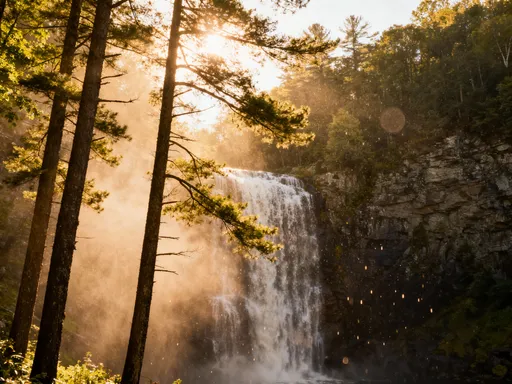
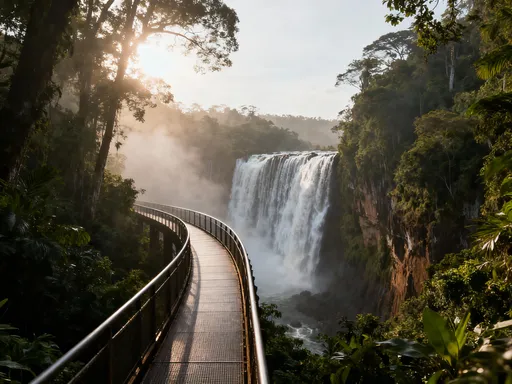
The Catskill Mountains, nestled in southeastern New York, are a sanctuary of natural drama and quiet charm. Stretching across four counties, this forested range offers some of the most accessible wilderness in the Northeast. Among its crown jewels is Kaaterskill Falls, a two-tiered cascade that drops 260 feet through a rocky gorge. The sound of rushing water echoes through the trees, and mist rises like breath from the earth, cooling the air even on summer days. The trail leading to the base is moderately challenging, with stone steps and wooden railings guiding hikers through moss-covered rocks and shaded groves.
Nearby, North-South Lake Campground serves as a gateway to both relaxation and adventure. Perched at over 2,000 feet, it offers panoramic views of the Hudson Valley and access to miles of hiking trails. Sunrise from the North Point overlook paints the sky in soft pinks and golds, reflecting off the still surface of the lake below. For families, the campground provides a safe, well-maintained environment where children can explore nature under supervision. Picnic areas, fire pits, and clean restrooms make it an ideal destination for first-time campers or those seeking a rustic yet comfortable escape.
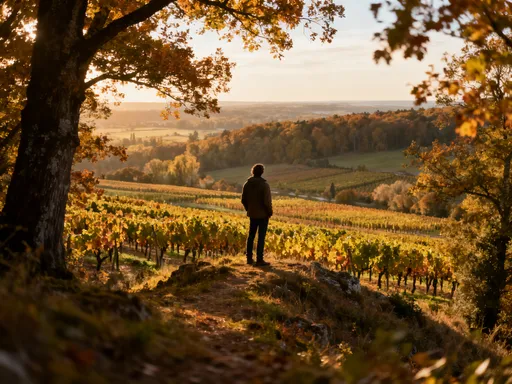
The best times to visit the Catskills are spring through early fall. Spring brings wildflowers and full waterfalls fed by melting snow. Summer offers warm days perfect for swimming and fishing. Fall transforms the region into a tapestry of red, orange, and gold—a spectacle that draws photographers and leaf-peepers alike. Winter, though quieter, reveals a different kind of beauty, with frozen waterfalls and snow-covered trails inviting cross-country skiers and snowshoers.
What many don’t know is that the Catskills played a pivotal role in the American conservation movement. In the 19th century, artists of the Hudson River School captured its grandeur, inspiring early calls to protect these lands. Today, the Catskill Park protects over 700,000 acres, ensuring that future generations can experience the same awe. Visitors are encouraged to follow Leave No Trace principles—packing out trash, staying on marked trails, and respecting wildlife—to help preserve this legacy.
Adirondacks: Vast Wilderness Just a Drive Away
If the Catskills offer beauty within reach, the Adirondack Park delivers true wilderness on a grand scale. Covering over six million acres—larger than Yellowstone, Yosemite, Glacier, and the Grand Canyon combined—the Adirondacks are one of the largest protected areas in the United States. Located in northern New York, this vast region is a mosaic of mountains, lakes, forests, and small villages. Unlike national parks, the Adirondacks include private lands and communities, creating a unique blend of conservation and human presence.
Lake Placid, nestled in a valley between two peaks, is one of the region’s most beloved destinations. The lake itself is pristine, its clear waters ideal for kayaking, paddleboarding, and swimming. In winter, it transforms into a frozen wonderland, hosting Olympic-level skating and ski events. Nearby trails, such as the one leading to the summit of Mount Jo, offer panoramic views with moderate effort—perfect for families or those building confidence on the trail.
For more experienced hikers, Mount Marcy—the highest peak in New York at 5,344 feet—offers a challenging but rewarding ascent. The journey passes through boreal forests, alpine meadows, and rocky outcrops, with chances to spot moose, black bears, and peregrine falcons. While the full hike takes most of a day, shorter loop options allow visitors to experience the mountain’s majesty without committing to the summit. Rangers at the Adirondack Mountain Club’s visitor centers provide up-to-date trail conditions, weather forecasts, and safety tips, ensuring a safe and informed visit.
Wildlife is abundant here. White-tailed deer graze at dawn, loons call across lakes at dusk, and beavers build dams in quiet streams. Birdwatchers can spot herons, kingfishers, and even the elusive Bicknell’s thrush in high-elevation forests. For those interested in low-impact camping, the park offers designated sites with fire rings and composting toilets, many accessible only by foot or canoe. These remote locations provide a true sense of solitude, where the only light at night comes from stars and campfires.
Planning a trip to the Adirondacks requires some preparation. Weather can change rapidly, especially at higher elevations. Layers, waterproof gear, and sturdy footwear are essential. Summer months are popular, but visiting in late spring or early fall means fewer crowds and milder temperatures. Local lodges and eco-friendly cabins offer comfortable accommodations for those who prefer not to camp. Whether you stay one night or a week, the Adirondacks offer a deep immersion into nature that few places in the East can match.
Hudson Valley: Serene Beauty with a Historic Touch
Flowing north from New York City, the Hudson River carves a scenic corridor through rolling hills, farmland, and forested ridges. This is the Hudson Valley—a region where natural beauty meets cultural heritage. Just 30 to 60 minutes from the city by train or car, it offers a seamless transition from urban life to countryside calm. Bear Mountain State Park, one of the oldest in the state, sits atop a ridge offering sweeping views of the river. A stone monument at the summit marks the spot, and a historic carousel delights children below.
The park’s trails range from easy loops around Hessian Lake to more strenuous climbs up Bear Mountain itself. In spring, trillium and bloodroot bloom along the paths; in fall, the hills ignite with color. The Appalachian Trail passes directly through the park, connecting it to a 2,200-mile network stretching from Georgia to Maine. For day-trippers, picnic areas with grills and tables make it easy to enjoy a meal outdoors. The park’s visitor center offers educational exhibits on local ecology and history, including the Lenape people who once lived in the region.
Further north, Minnewaska State Park Preserve is a hidden treasure of cliffs, lakes, and skytop views. Its sandstone ridges rise over 2,000 feet, offering dramatic overlooks of the Shawangunk Mountains. Lake Minnewaska, a glacial lake, is surrounded by pine and hemlock forests. Wooden walkways protect the fragile ecosystem while allowing visitors to explore wetlands and waterfalls. The Gertrude’s Nose Trail is a favorite, combining moderate challenge with stunning vistas.
What sets the Hudson Valley apart is its blend of nature and culture. Along the roads, farm stands sell fresh apples, honey, and vegetables. Art galleries, historic homes like Kykuit and West Point, and charming villages like Cold Spring and New Paltz add depth to any visit. The Metro-North Railroad makes access easy—no car required. A day trip from the city can include a morning hike, a riverside lunch, and an afternoon browsing local shops, all without the stress of traffic or parking.
The valley also supports sustainable tourism. Many farms offer pick-your-own fruit, teaching children where food comes from. Community-supported agriculture (CSA) programs connect urban families with fresh, local produce. For women managing households, this combination of outdoor activity, education, and wholesome food makes the Hudson Valley not just a getaway, but a source of inspiration for daily life.
Finger Lakes: Quiet Gorges and Crystal-Clear Waters
Farther west, the Finger Lakes region unfolds like a secret whispered among locals. Named for its eleven long, narrow lakes that resemble outstretched fingers, this area is a haven for nature lovers and quiet seekers. Among the most striking destinations is Taughannock Falls, located just north of Ithaca. With a single drop of 215 feet—taller than Niagara—the falls plunge into a deep gorge surrounded by sheer cliffs. A paved trail leads to an overlook, making it accessible for all ages and abilities. The roar of the water, the cool spray on your face, and the green canopy above create a moment of pure awe.
Nearby, Watkins Glen State Park offers one of the most magical hiking experiences in the state. A 1.5-mile trail winds through a narrow gorge carved by a stream, passing 19 waterfalls connected by stone bridges and staircases. The path follows wooden walkways suspended over rushing water, with pools below glowing turquoise in the sunlight. Ferns grow from rock crevices, and moss blankets the stone. It’s a place that feels enchanted, where time slows and every turn reveals a new wonder.
For water enthusiasts, the lakes themselves are a major draw. Canoeing, kayaking, and paddleboarding are popular on Seneca and Cayuga Lakes, the two largest and deepest of the chain. Swimming is allowed at designated beaches, with lifeguards on duty in summer. Eco-friendly lodges and cabins—many powered by solar energy or using rainwater collection—offer sustainable overnight stays. Some even provide organic breakfasts made from local ingredients.
The region is also known for its agriculture and vineyards. While wine tasting is a common activity, many farms offer non-alcoholic options such as apple cider, grape juice, and honey tasting. Family-run orchards welcome visitors to pick apples, pumpkins, and berries depending on the season. These experiences connect people to the land in a tangible way, reminding us of nature’s cycles and gifts. For mothers and caregivers, such outings offer not just relaxation but meaningful moments to share with children—teaching them about plants, animals, and stewardship.
The Finger Lakes remain relatively uncrowded compared to other tourist areas, preserving their peaceful character. Small towns like Watkins Glen, Hammondsport, and Geneva offer cozy cafes, bookstores, and craft shops. Staying a night or two allows visitors to experience the quiet of early morning, when mist rises from the lakes and birds begin their songs. It’s a rhythm of life that feels restorative, a gentle counterpoint to the city’s constant motion.
Staten Island Greenbelt: Nature in the City’s Shadow
Even within New York City, nature finds a way to thrive. The Staten Island Greenbelt is a 2,800-acre oasis of forests, wetlands, and meadows, home to over 40 miles of hiking trails. Hidden in plain sight, it’s a place where red foxes dart through the underbrush, great blue herons stalk fish in quiet streams, and mushrooms sprout after rain. For residents of the city, it’s a reminder that wildness is not so far away.
The Greenbelt’s main trail, the Blue Trail, loops through diverse landscapes—oak and hickory forests, vernal pools, and rocky outcrops. The William T. Davis Wildlife Refuge protects rare plants and migratory birds, while the LaTourette Park section offers open fields and historic golf course views. A walk here feels surprisingly remote, despite being just 20 miles from Lower Manhattan. Birdwatchers have recorded over 200 species, including wood thrushes, scarlet tanagers, and barred owls.
Accessibility is one of its greatest strengths. Public transit, including the Staten Island Railway and local buses, connects to trailheads. The Greenbelt Nature Center, located in a restored farmhouse, offers maps, guided walks, and educational programs. Volunteers lead nature hikes for families, teach children about pollinators, and organize clean-up events. These activities foster a sense of community and care for the environment.
For women juggling work, family, and personal time, the Greenbelt offers a rare gift: proximity to peace. A two-hour walk on a Saturday morning can restore energy and clarity. Unlike crowded parks, it rarely feels overrun. Benches along the trails invite quiet reflection. The sound of wind in the trees, the sight of sunlight filtering through leaves—these small moments accumulate into a deeper sense of well-being. It’s proof that even in the most urban settings, nature can heal and inspire.
Why These Places Matter: The Value of Urban-Adjacent Nature
The hidden natural wonders of New York are more than scenic destinations—they are vital resources for health and happiness. Modern life, especially in cities, often demands constant attention and productivity. The pressure to perform, manage, and care for others can lead to emotional exhaustion. Nature offers a gentle antidote. Research consistently shows that time spent in green spaces lowers cortisol levels, reduces anxiety, and improves sleep. For women who often bear the brunt of emotional labor at home and work, these benefits are not a luxury but a necessity.
Children also gain from nature exposure. Studies link outdoor play with improved focus, creativity, and resilience. In an age of screens and structured schedules, unstructured time in forests, lakes, and fields allows kids to explore, imagine, and learn at their own pace. Building a stick fort, skipping stones, or identifying birds—these simple acts foster curiosity and confidence.
Yet access to nature is not just about personal benefit; it’s about responsibility. As more people discover these places, the risk of overuse increases. Litter, trail erosion, and disturbance to wildlife are real concerns. That’s why sustainable visitation is essential. Following Leave No Trace principles—staying on trails, packing out trash, respecting wildlife—ensures these spaces remain beautiful and healthy. Supporting local conservation groups, volunteering for clean-ups, and choosing eco-friendly accommodations are ways to give back.
Finally, these natural areas challenge our assumptions. They remind us that beauty and peace are not reserved for distant, exotic locations. They exist close to home, waiting to be noticed. By choosing to explore them, we do more than take a vacation—we reaffirm our connection to the earth and to ourselves. We learn that balance is possible, that stillness has power, and that wonder is always within reach.
New York’s natural wonders aren’t just side notes—they’re powerful reminders that wild beauty exists even near the world’s busiest cities. From misty waterfalls to silent forests, these places restore balance and wonder. By exploring them responsibly, we don’t just see a different side of New York—we rediscover our connection to the earth.