You Won’t Believe What I Found in Colombo’s Hidden Markets
If you think shopping in Colombo is just about touristy trinkets and overpriced souvenirs, think again. I stumbled upon a side of the city most visitors never see—vibrant local markets, family-run boutiques, and artisans crafting one-of-a-kind pieces. This isn’t the polished mall scene; it’s raw, real, and full of surprises. From handwoven textiles to spice stalls that ignite your senses, Colombo’s hidden shopping experiences are unforgettable. Let me take you where the locals shop—and why you should too.
The Myth of Colombo’s Shopping Scene
Many travelers arrive in Colombo with a narrow view of what shopping here entails. They picture air-conditioned malls, generic souvenir shops, and rows of identical wooden elephants. While places like Odel and Crescat Boulevard do exist and serve a purpose, they represent only a fraction of the city’s true retail soul. The misconception that Colombo offers little beyond these commercial spaces persists because they are convenient, well-marketed, and often featured in travel brochures. However, this narrative overlooks the beating heart of the city’s commerce: its grassroots markets and independent creators who keep Sri Lankan craftsmanship alive.
The reality is that demand for authentic, locally made goods has never been higher. Modern travelers, especially women between 30 and 55 who value meaning and sustainability in their purchases, are increasingly seeking out experiences that connect them to culture and community. They want to know the story behind the scarf they buy, the hands that wove the basket, or the recipe behind the spice blend. This shift in consumer values has quietly fueled a renaissance in Colombo’s lesser-known shopping destinations, where tradition meets innovation and personal connection replaces transactional exchanges.
What most tourists miss is not due to lack of availability but rather lack of visibility. These authentic markets are rarely highlighted on mainstream itineraries. They don’t have glossy websites or Instagrammable facades. Instead, they thrive in bustling alleyways, tucked behind colonial-era buildings, or nestled within residential neighborhoods. Yet, those who take the time to explore them discover a richer, more rewarding side of Colombo—one where every purchase feels intentional and every vendor shares a piece of their life. The key lies in knowing where to go and how to engage respectfully.
Pettah’s Labyrinth: More Than Just a Market
No visit to Colombo’s hidden shopping scene is complete without stepping into Pettah, a sprawling, chaotic, and utterly captivating market district that pulses with energy from dawn until dusk. To the uninitiated, Pettah can feel overwhelming—a maze of narrow lanes lined with overflowing stalls, honking three-wheelers, and a constant stream of people weaving through the crowds. But beneath the apparent disorder lies a finely tuned ecosystem, where every corner serves a distinct purpose and every vendor specializes in something unique.
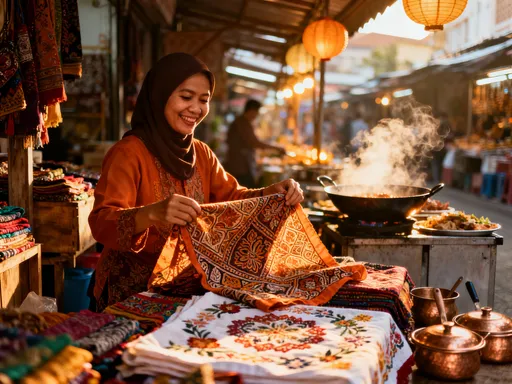
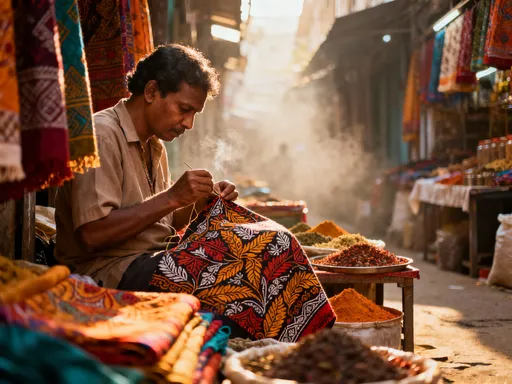
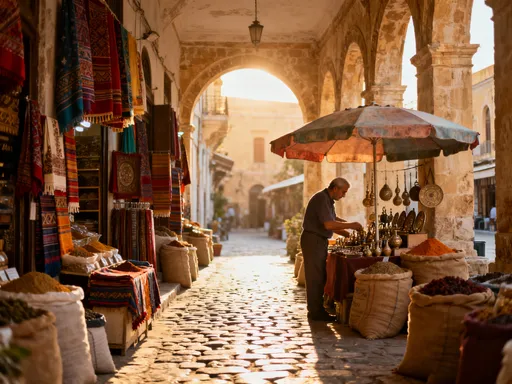
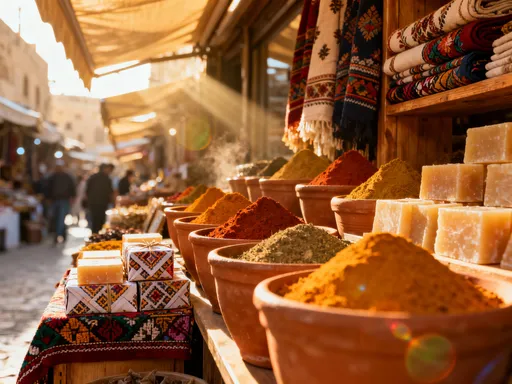
Understanding Pettah begins with recognizing its zones. The textile section, particularly along Sea Street and Main Street, is a paradise for lovers of color and fabric. Here, bolts of batik, handloom cotton, and shimmering sarees drape every available surface. Vendors call out not with aggressive sales pitches but with quiet pride, inviting passersby to feel the quality of the weave or admire the intricacy of a printed pattern. Nearby, the spice markets awaken the senses with mounds of turmeric, cinnamon, cardamom, and dried chilies arranged in vibrant pyramids. The air is thick with aroma, and shopkeepers often offer small samples, eager to explain the uses and benefits of each blend.
Elsewhere in Pettah, you’ll find stalls dedicated to electronics, stationery, herbal medicine, and even religious artifacts. It’s a one-stop destination for nearly everything a local household might need. But the real magic happens when you step off the main paths. On a quiet morning, I followed a narrow alley behind the fruit market and stumbled upon a tiny shop tucked between two larger stores. There, an elderly woman sat cross-legged on a wooden platform, hand-stitching batik designs onto a cotton scarf. Her fingers moved with practiced ease, each stitch part of a tradition passed down through generations. She didn’t speak much English, but her granddaughter translated: every piece was made to order, using natural dyes and patterns inspired by Sri Lankan folklore. I left with two scarves and a story I still cherish.
For those planning to explore Pettah, a few practical tips can make all the difference. Visit early in the morning to avoid the midday heat and peak crowds. Wear comfortable shoes and carry a reusable bag—plastic is still common, but bringing your own shows respect for both the environment and the vendors. Bargaining is expected, but it should be done with a smile and a sense of fairness. Start by asking the price, then offer slightly less—never insultingly low. And always carry small bills; many vendors operate on tight margins and may not have change for large notes.
Secret Spots Beyond the Map
While Pettah captures much of the attention, Colombo’s true shopping gems often lie beyond the well-trodden path. Neighborhoods like Kirulapone, Borella, and Wellawatte host smaller, community-centered markets that offer a more intimate and relaxed experience. These areas are not designed for tourists, which is precisely what makes them special. Here, shopping feels less like a transaction and more like a conversation. Vendors recognize regular customers, children play near the stalls, and neighbors stop to chat as they pick up daily essentials.
In Kirulapone Market, for instance, the focus is on everyday life. Women in saris browse for fresh vegetables, dried fish, and coconut oil while selecting hand-carved wooden spoons or clay pots for cooking. The market’s fabric section features modestly priced cotton wraps and children’s clothing, often made locally. Unlike the tourist-centric shops near Galle Face Green, these items are designed for real use, not display. Yet, their craftsmanship is undeniable. A simple cotton dress might be stitched by a home-based tailor, while a woven mat could come from a rural cooperative in the south.
Borella Market, situated near the bustling intersection of Elvitigala Mawatha, offers a similar blend of practicality and tradition. It’s particularly known for its selection of herbal remedies and Ayurvedic products. Stalls display jars of dried herbs, homemade ointments, and bundles of neem and turmeric root. Many older shoppers rely on these natural solutions for common ailments, and vendors are often happy to share advice—though it’s always wise to consult a healthcare professional before trying any new remedy. What stands out is the trust embedded in these exchanges; customers return week after week, knowing they’re getting quality products from people they know.
One of the most touching aspects of these neighborhood markets is the personal connection they foster. I once returned to a small spice stall in Wellawatte after a month away, and the vendor immediately greeted me by name. He remembered I liked extra-strong cinnamon and had saved a small batch of his family’s homemade curry powder. That level of care is rare in commercial retail but common in these local spaces. For the 30- to 55-year-old woman who values authenticity and human connection, these markets offer something far more valuable than any souvenir: a sense of belonging, even if just for a moment.
Craft Villages on the City’s Edge
Just beyond Colombo’s urban sprawl lie craft villages where centuries-old traditions continue to thrive. These are not tourist attractions dressed up for photo ops but working communities where artisans create by hand, often in family-run workshops. A short half-day trip from the city center can take you to places like Moratuwa for woodworking, Ambalangoda for mask-making, and Brandalapitiya for delicate lacework—each offering a chance to witness artistry in motion and support sustainable livelihoods.
Moratuwa, located about 20 kilometers south of Colombo, is renowned for its woodcarving. The town’s narrow streets are lined with workshops where craftsmen shape teak, ebony, and satinwood into intricate furniture, religious statues, and decorative panels. Many of these artisans learned their skills from their parents and now teach them to their children. Visiting a workshop here is not just about buying a beautifully carved box or mirror frame; it’s about understanding the patience and precision behind each piece. Some families welcome visitors with tea and a demonstration, explaining the symbolism in traditional motifs like elephants for prosperity or lotus flowers for purity.
A little further along the coast, Ambalangoda is famous for its masks, used historically in traditional healing dances known as *kolam* and *thovil*. These masks, painted in bold colors and exaggerated expressions, are more than decorative—they are part of Sri Lanka’s cultural and spiritual heritage. While some are mass-produced for tourists, authentic ones are still hand-carved and painted by skilled artisans. A visit to a family workshop reveals the process: selecting the right wood, carving the shape, applying natural pigments, and finishing with a protective coat. Purchasing a genuine mask supports not only the maker but also the preservation of an endangered art form.
Brandalapitiya, near Negombo, is the heart of Sri Lanka’s lace-making tradition, introduced by Portuguese colonists but adapted into a uniquely local craft. Known as *beeralu lace*, this intricate needlework is passed down from mother to daughter and often used in bridal wear and home decor. Women gather in courtyards or small cooperatives, working silently under shaded verandas. Some cooperatives now partner with ethical fashion brands to bring this delicate art to international markets. Buying directly from these groups ensures fair wages and helps sustain a tradition at risk of fading.
Reaching these villages is easier than many assume. Public buses run regularly to Moratuwa and Ambalangoda, while private tuk-tuks or ride-sharing services offer more comfort and flexibility. For a smoother experience, consider booking a guided half-day tour focused on crafts—many local operators specialize in cultural and sustainable tourism. Regardless of how you go, aim to arrive in the morning when workshops are active and light is best for appreciating detail. And remember: take photos only with permission, and always ask before touching unfinished work.
Hidden Boutiques in Urban Colombo
While traditional markets and craft villages offer deep cultural immersion, Colombo’s urban core is also witnessing a quiet revolution in retail. A new generation of Sri Lankan designers is transforming colonial-era buildings and quiet side streets into intimate boutiques that celebrate heritage through a modern lens. These spaces are not boutiques in the Western luxury sense but thoughtfully curated environments where fashion, jewelry, and homeware tell stories of identity, resilience, and reinvention.
In neighborhoods like Cinnamon Gardens and Colpetty, converted bungalows now house small brands that blend traditional techniques with contemporary design. One such boutique, located in a restored 1920s house, specializes in handwoven textiles reimagined as modern dresses and tunics. The owner, a young designer trained in London, works with weavers from rural villages to create pieces that honor regional patterns while fitting today’s lifestyles. Her scarves, printed with motifs from ancient temple carvings, are lightweight, versatile, and deeply meaningful.
Jewelry boutiques are also redefining what Sri Lankan craftsmanship can look like. Instead of mass-produced gold chains, these stores feature pieces made from recycled silver, locally sourced gemstones, and traditional filigree techniques. One designer in Colpetty creates necklaces inspired by temple bells and traditional dance ornaments, each piece accompanied by a card explaining its cultural reference. For the discerning shopper, these items are more than accessories—they are wearable art with a conscience.
Homeware is another area where local creativity shines. Ceramicists are reviving ancient pottery methods, crafting mugs, plates, and vases with organic shapes and earthy glazes. Textile artists dye fabrics using natural ingredients like jackfruit bark and indigo, creating sustainable alternatives to synthetic dyes. These boutiques often double as galleries or community spaces, hosting workshops and exhibitions that invite visitors to engage beyond shopping. For the woman who values both beauty and purpose, these stores offer treasures that enrich the home and the soul.
The Art of the Bargain: Cultural Etiquette & Smart Shopping
Shopping in Colombo’s markets is as much about relationship as it is about price. Bargaining is common, especially in Pettah and smaller neighborhood markets, but it must be done with respect and awareness of local norms. Unlike in some tourist-heavy destinations, aggressive haggling is frowned upon. The goal is not to win but to reach a fair agreement that honors the vendor’s work and your budget.
Understanding when to negotiate is key. In fixed-price stores, particularly boutiques and cooperatives, prices are usually non-negotiable, and that’s okay. These businesses often operate on slim margins and have already priced items fairly. In contrast, markets like Pettah expect some flexibility. A good rule of thumb is to start by asking the price, then offer 10 to 20 percent less. If the vendor counters, meet somewhere in the middle. A smile, a compliment on the craftsmanship, or a comment on the color can go a long way in building rapport.
Building a connection with vendors often leads to better experiences than any discount. I once spent 20 minutes chatting with a spice seller about his family’s recipe for roasted curry powder. By the end, he not only gave me a fair price but also wrapped an extra small pouch as a gift. These moments of kindness are common when you approach shopping as a shared experience rather than a transaction. It’s also helpful to carry cash, as most small vendors do not accept cards. Keep bills in good condition—torn or crumpled notes can be refused.
Common mistakes tourists make include touching goods without intent to buy, making lowball offers, or walking away abruptly after negotiation. A simple “no thank you” with a smile maintains goodwill. Also, avoid photographing people without permission, especially in smaller markets where privacy is valued. When in doubt, ask. Most vendors are warm and welcoming, and a little courtesy opens doors to deeper, more meaningful interactions.
Putting It All Together: Your Hidden Shopping Itinerary
For the traveler ready to explore Colombo’s authentic shopping scene, here’s a suggested one-day itinerary that balances discovery, comfort, and cultural respect. Begin early—at 7:30 a.m.—with a visit to Pettah Market. Focus on the textile and spice sections, and allow at least 90 minutes to wander without rushing. Stop for a short break at a local tea stall, where you can sip sweet, milky Ceylon tea and enjoy a banana fritter or savory hoppers.
By 9:30 a.m., head to a nearby boutique in Colpetty or Cinnamon Gardens. Choose one that emphasizes sustainable practices or works with artisan cooperatives. Spend an hour browsing, asking questions, and learning about the designers’ inspirations. Many of these stores offer packaging or shipping services, which can be helpful if you’re concerned about carrying fragile or bulky items.
After lunch—perhaps a simple rice and curry at a family-run eatery—take a midday break to rest. The heat can be intense, and pacing yourself is important. Around 2:00 p.m., set out for a half-day trip to Moratuwa or Ambalangoda. Visit a woodworking or mask-making workshop, observe the craft process, and make a thoughtful purchase directly from the artisans. Return to Colombo by 5:30 p.m.
End your day with a quiet stop at Borella or Kirulapone Market. These evening hours are calmer, with fewer crowds, and offer a chance to see how locals shop after work. Pick up a small herbal remedy, a piece of handmade lace, or a bundle of fresh cinnamon sticks. Carry your purchases in a sturdy tote bag, and consider using a luggage storage service if you’re traveling light.
This itinerary isn’t about collecting items but about collecting moments. Each stop offers a window into Sri Lankan life, from the resilience of small vendors to the pride of master craftsmen. By engaging mindfully, you support local economies, preserve traditions, and return home with more than souvenirs—you bring back stories, connections, and a deeper understanding of a culture that welcomes you not as a consumer, but as a guest.
Conclusion
Colombo’s true shopping soul lies far beyond the glossy storefronts. It’s in the calloused hands of weavers, the warm smiles of spice sellers, and the quiet pride of craftsmen preserving heritage. By venturing off the beaten path, you don’t just buy things—you connect with stories, traditions, and people. This is shopping with meaning, memory, and magic. So next time you’re in the city, skip the mall. Step into the unknown. You might just find the most unforgettable part of Sri Lanka waiting for you in a hidden alley, quietly calling your name.