You Won’t Believe These Hidden Commercial Gems in Crete
Crete isn’t just about ancient ruins and sandy beaches—its bustling commercial areas are where the island truly comes alive. From vibrant markets to stylish boutiques, I was blown away by how much culture, flavor, and local energy you can find in its urban hubs. This isn’t your average tourist trail; it’s where locals shop, eat, and connect. The scent of sun-dried herbs mingles with freshly baked bread, the chatter of vendors blends with laughter from outdoor cafés, and every alley seems to lead to a new discovery. Let me take you through the heart of Cretan city life—unexpected, authentic, and absolutely worth exploring.
The Pulse of Heraklion: More Than Just a Capital
Heraklion, the largest city on Crete, is often seen as a gateway to Knossos or a stopover before heading south. But to view it only as a transit point is to miss one of the island’s most dynamic commercial centers. Far from being merely administrative, Heraklion pulses with daily life, where modernity and tradition coexist in a rhythm that feels both orderly and spontaneous. At the heart of this energy lies the Central Market, known locally as Laiki Agora—a sprawling indoor and outdoor marketplace that opens several days a week and reaches its peak on Friday and Saturday mornings.
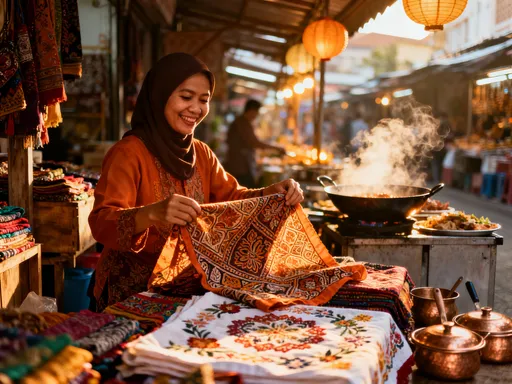
Walking through the market is an immersion in Cretan daily living. Stalls overflow with pyramids of ripe tomatoes, glossy eggplants, and bunches of wild oregano still clinging to their stems. Vendors call out specials in Greek, their voices rising above the clatter of shopping bags and the occasional bark from a shopkeeper’s friendly dog. But it’s not just produce—here you’ll find wheels of graviera cheese aged to perfection, pungent mizithra ready for grating, and barrels of olives cured in lemon and herbs. Every bite tells a story of sun-drenched hills and generations of farming wisdom.
What makes Heraklion unique is how seamlessly the old blends with the new. Just steps from the market, you’ll find modern shopping streets like 1866 Street and Eleftheriou Venizelou Avenue, lined with international brands, local fashion boutiques, and cozy sidewalk cafés where women in linen dresses sip iced coffee and discuss weekend plans. These areas are not sanitized malls divorced from culture—they are lived-in spaces where teenagers meet after school, mothers run errands between appointments, and retirees linger over frappés beneath shaded awnings.
For visitors, beginning a commercial journey in Heraklion offers unmatched convenience and authenticity. Public transportation is reliable, with buses connecting major neighborhoods and nearby towns. The city center is compact enough to explore on foot, yet diverse enough to satisfy varied interests. Whether you’re hunting for a hand-stitched leather bag or simply want to taste dakos, the iconic barley rusk topped with tomato and feta, Heraklion delivers. It’s a place where tourism supports local business without overwhelming it, and where every purchase feels like a small act of connection.
Chania’s Old Town: Where Charm Meets Commerce
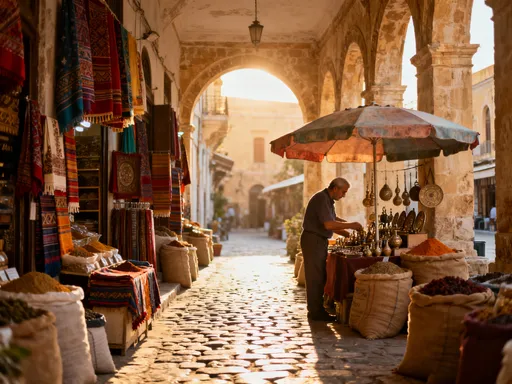
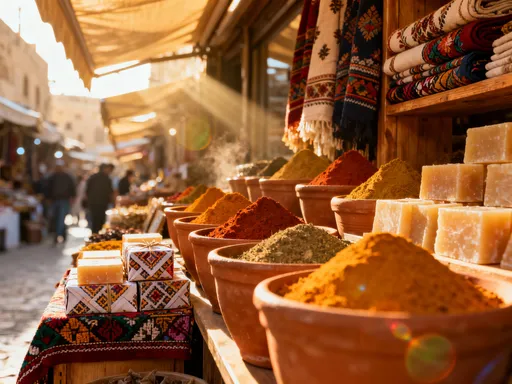
If Heraklion represents the energetic pulse of urban Crete, then Chania’s Old Town is its soulful melody. Nestled along a crescent-shaped harbor framed by pastel-colored Venetian buildings and a lighthouse that glows at dusk, this area feels like stepping into a postcard. Yet beyond the picturesque views lies a thriving commercial district where craftsmanship and commerce flourish side by side. Narrow cobblestone alleys wind through the historic quarter, each turn revealing a new artisan at work—silversmiths polishing delicate necklaces, potters shaping clay on spinning wheels, and spice merchants displaying rainbow-hued blends in burlap sacks.
The sensory experience here is unforgettable. The air carries the warm sweetness of cinnamon and dried orange peel near the spice stalls, while the salty breeze off the sea tempers the richness of grilled meats wafting from seaside tavernas. In the morning, fishermen unload their catch just steps from open-air fish markets, where locals inspect the day’s haul with practiced eyes. By afternoon, the same streets buzz with tourists and residents alike, drawn by the promise of unique finds and unhurried charm.
At the center of it all stands the Municipal Market, a two-story gem tucked behind the harbor. Inside, you’ll find everything from fresh seafood and regional cheeses to jars of thyme honey so fragrant they smell like mountain air. But what sets Chania apart is how tourism and local life coexist without friction. Unlike some destinations where commercial spaces become soulless souvenir zones, here family-run shops maintain their integrity. You won’t find mass-produced plastic figurines of Minotaurs; instead, expect hand-painted ceramics, woven baskets made from reeds, and bottles of raki—Cretan spirit distilled from grape skins—sold by the same families who’ve produced it for decades.
Visitors are welcomed not as customers to be rushed, but as guests to be shared with. Shopkeepers often offer a small glass of raki or a taste of local cheese, inviting conversation and connection. This isn’t marketing—it’s hospitality woven into the fabric of daily business. For women traveling with family or friends, Chania’s Old Town offers a safe, walkable environment rich in visual beauty and cultural depth. It’s the kind of place where you might go to buy a scarf and end up learning how it was dyed using traditional plant-based methods passed down through generations.
Rethymno’s Balanced Blend: Culture, Craft, and Shopping
Between the bustle of Heraklion and the romance of Chania lies Rethymno—a town that strikes a rare balance between authenticity and accessibility. Smaller than its neighbors but no less vibrant, Rethymno offers a commercial experience that feels intimate without being limited. Its pedestrian-friendly old town, anchored by a striking Venetian fortress and a palm-lined promenade, invites leisurely exploration. Here, craft stalls sit comfortably beside established Greek brands, creating a shopping landscape that caters to both discerning buyers and curious wanderers.
One of Rethymno’s standout features is its emphasis on locally made goods. Leather workshops display sandals hand-cut from soft goat hide, each pair molded to fit the contours of the foot over time. Olive wood carvers shape spoons, bowls, and decorative boxes from sustainably harvested trees, their deep grain patterns glowing under natural light. These aren’t decorative novelties—they are functional items rooted in Cretan tradition, built to last and improve with use.
Equally compelling are the small shops specializing in organic skincare and herbal products. Drawing from Crete’s rich biodiversity, many brands use ingredients like sage, chamomile, and mountain tea—plants gathered from the island’s highlands. These natural formulations appeal to health-conscious travelers seeking gentle, effective alternatives to commercial cosmetics. Labels are often simple, with minimal packaging that reflects a commitment to sustainability. Many products are made in small batches by women-led cooperatives, supporting both environmental and social values.
What makes Rethymno especially appealing to women aged 30 to 55 is its relaxed pace and thoughtful curation. Crowds are lighter than in larger cities, allowing for more personal interactions with shop owners. There’s no pressure to buy; instead, there’s space to browse, ask questions, and appreciate craftsmanship. Whether you’re looking for a lightweight linen dress for summer evenings or a set of handmade soaps infused with local herbs, Rethymno offers quality without compromise. It’s a place where shopping feels less like consumption and more like discovery.
Island Brands & Local Products You Should Know
To truly understand Crete, one must taste and touch its most cherished products—those that have sustained families for generations and now represent the island’s commercial identity. Among the most renowned is extra virgin olive oil, produced from koroneiki olives grown in rocky, sun-baked soil. Cretan olive oil is not merely a cooking ingredient; it’s a cornerstone of the Mediterranean diet, celebrated for its peppery finish and golden-green hue. When purchased directly from producers or certified shops, it comes in dark glass bottles or tin containers to preserve freshness, often labeled with harvest dates and regional origins.
Another must-know product is thyme honey, harvested from bees that forage on wild thyme blanketing Crete’s mountain slopes. This dark, aromatic honey is thicker than most varieties and carries a subtle herbal note. It’s traditionally used to soothe sore throats and boost immunity, but also drizzled over yogurt or paired with strong cheeses. Look for jars bearing the Protected Designation of Origin (PDO) mark, which guarantees authenticity and quality. Buying directly from apiaries or farmers’ markets ensures you’re supporting small-scale producers rather than large distributors.
Raki, the clear spirit served free with meals in many tavernas, is another emblem of Cretan hospitality. Distilled in copper stills, it’s typically enjoyed chilled after dinner, often accompanied by a slice of fruit or a small sweet. While not everyone will want to bring a bottle home, purchasing a small artisanal batch from a local distillery makes for a meaningful keepsake. Similarly, dakos—the traditional rusk made from barley—remains a staple. Sold in paper-wrapped bundles, it’s designed to be soaked in olive oil and topped with tomatoes, herbs, and cheese, making it both a snack and a cultural experience.
These products are more than souvenirs—they are edible stories of land and labor. By choosing certified sources and avoiding generic tourist shops, travelers ensure their purchases contribute directly to the local economy. Many producers welcome visitors for tours and tastings, offering insight into their methods and pride in their craft. This transparency builds trust and deepens appreciation, turning a simple purchase into a personal connection.
Beyond Souvenirs: Finding Functional and Meaningful Buys
While keychains and fridge magnets have their place, the most rewarding purchases in Crete are those that serve a purpose long after the trip ends. Think of a hand-thrown ceramic bowl used for serving salads, a woolen shawl perfect for cool evenings, or a set of olive wood kitchen tools that become heirlooms. These items combine beauty with utility, reflecting a culture that values durability and intentionality.
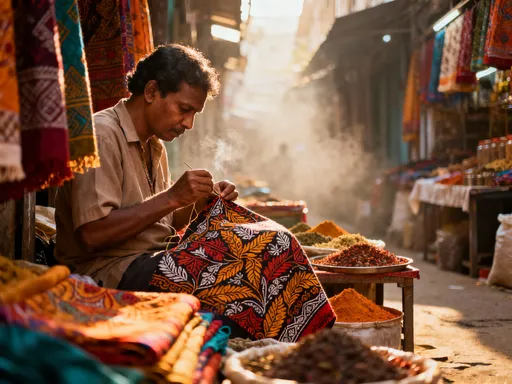
Textiles, in particular, offer both practicality and cultural significance. Handwoven table runners, embroidered napkins, and cotton bedspreads are often made using techniques passed down through families. Natural dyes derived from plants like madder root and indigo create soft, earthy tones that complement any home. Unlike machine-made fabrics, these textiles carry slight imperfections—variations in stitch or color—that speak to their handmade nature. They are not meant to be perfect; they are meant to be lived with.
Kitchenware is another category rich with potential. Copper pots, hand-carved mortars and pestles, and clay baking dishes are common finds in specialty shops. These tools are designed for real use, not display. A copper jug, for instance, naturally regulates water temperature and is believed to have health benefits when used for drinking. While prices vary, investing in one high-quality piece often proves more satisfying than buying several cheaper, mass-produced items.
When shopping, it’s important to recognize overpriced tourist traps. Items wrapped in excessive plastic, labeled generically as “Greek souvenir,” or priced significantly higher near major attractions should raise caution. Bargaining is not customary in established stores, but in open-air markets, polite negotiation is sometimes accepted—especially when buying multiple items. The key is respect: smile, ask questions in broken Greek if possible, and show genuine interest. Most vendors appreciate the effort and may offer a better price or an extra sample as a gesture of goodwill.
Timing & Transit: Navigating Commercial Hubs with Ease
To make the most of Crete’s commercial offerings, timing and transportation matter. Markets in smaller towns often operate on weekly schedules, with Saturday mornings being prime time for fresh produce and local specialties. In Rethymno, for example, the central square hosts a lively market every Saturday, drawing farmers from surrounding villages. Arriving early ensures the best selection and avoids midday heat, which can make walking uncomfortable between May and September.
Opening hours in Crete tend to follow a Mediterranean rhythm. Many shops open around 9 or 10 a.m., close for a midday break (especially in summer), and reopen in the late afternoon until 8 or 9 p.m. Larger stores in tourist areas may stay open continuously, but family-run boutiques often observe the siesta tradition. Planning visits for late morning or early evening maximizes availability and comfort.
Getting between cities is straightforward. Intercity buses run frequently and affordably, connecting Heraklion, Rethymno, and Chania with comfortable, air-conditioned coaches. Schedules are posted online and at central bus stations, with departures every one to two hours depending on the season. For those who prefer flexibility, car rentals are widely available and provide access to rural producers, hillside vineyards, and hidden village markets not served by public transit.
Within cities, walking is often the best option. Heraklion’s market district, Chania’s harbor, and Rethymno’s old town are all compact and pedestrian-friendly. Comfortable shoes are essential—cobblestones can be uneven—and a reusable tote bag is invaluable for carrying purchases. Public parking exists but can be limited in historic centers, so arriving by foot or public transport is often easier. For families or older travelers, many towns offer small electric shuttle services during peak hours, providing a convenient alternative to walking long distances.
Why Commercial Exploration Enriches Your Trip
At its core, shopping in Crete is not about acquiring things—it’s about experiencing a way of life. Every market visit, every conversation with a vendor, every purchase of locally made goods is an act of cultural exchange. These moments build bridges between visitor and resident, creating memories that linger far longer than any photograph. When you buy a jar of honey from a beekeeper who shows you photos of his hives, or when a potter explains how her grandmother taught her to shape clay, you’re not just buying a product—you’re becoming part of a story.
For women who travel to nurture their families, themselves, or their sense of wonder, engaging with Crete’s commercial heart offers deep fulfillment. It allows you to bring home more than souvenirs—it lets you carry back pieces of tradition, resilience, and craftsmanship. You return not only with olive oil and linens but with stories to share over dinner, lessons in sustainability, and inspiration for living more intentionally.
Moreover, supporting local businesses has a ripple effect. Each euro spent in a family-run shop or small workshop stays within the community, helping preserve traditions that might otherwise fade. In a world of global chains and mass production, Crete stands as a reminder that commerce can be humane, sustainable, and beautiful. It proves that economic activity need not be impersonal—it can be warm, personal, and rooted in place.
So the next time you plan a trip to Crete, look beyond the temples and beaches. Step into the markets, wander the alleyways, sip coffee in quiet squares. Let the island’s commercial life surprise you. Let it teach you. Let it remind you that the most meaningful travels are not those that take you farthest, but those that bring you closest—to people, to culture, to the quiet dignity of everyday life. In the heart of Crete’s cities, you’ll find not just things to buy, but reasons to believe in the power of connection.