You Won’t Believe These Hidden Festival Gems in Brisbane
Brisbane isn’t just sunny skies and riverside cafes—its festival culture runs deep, wild, and wonderfully off the radar. I stumbled upon scenes most tourists never see: backyard art crawls, underground music nights, and community festivals bursting with soul. This is not the polished version you’ll find in brochures. It’s raw, real, and ridiculously vibrant. If you're chasing authentic moments over crowded attractions, stick around—Brisbane’s best celebrations are hiding in plain sight.
Uncovering Brisbane’s Festival Soul
Brisbane’s true spirit doesn’t live in glossy tourist zones—it thrives in the side streets, backyards, and neighborhood halls where locals gather to celebrate their stories. While South Bank and the CBD host dazzling events, the city’s cultural heartbeat pulses strongest in suburbs like West End, Fortitude Valley, and Paddington. These areas are home to intimate, community-driven festivals that prioritize connection over crowds and authenticity over spectacle. Here, festivals aren’t staged for visitors; they’re woven into the rhythm of everyday life, emerging from shared passions, cultural traditions, and creative collaboration.
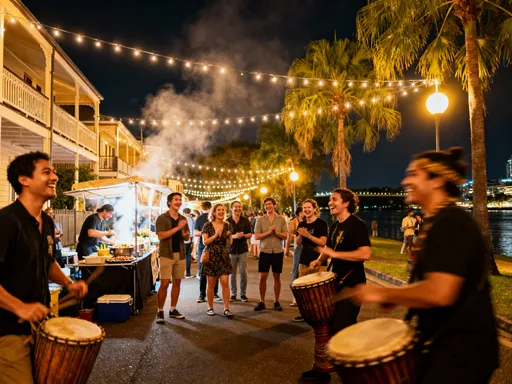
West End, for instance, radiates warmth during its annual community festival, when streets close to traffic and open to drum circles, pop-up food stalls, and children dancing barefoot on tarps. There’s no VIP section, no corporate branding—just neighbors sharing space, music, and meals. Similarly, Paddington’s boutique charm extends beyond its antique shops into seasonal garden parties and artisan fairs, where residents open private gardens to the public for a day of tea, live acoustic sets, and handcrafted goods. These gatherings reflect a slower, more intentional kind of celebration—one rooted in belonging rather than performance.
The contrast with mainstream tourism is striking. While many visitors flock to predictable attractions, those who wander into these neighborhood events often describe feeling a rare sense of inclusion. It’s not about being entertained; it’s about being welcomed. The energy is warm, unguarded, and deeply human. These festivals don’t aim to impress—they aim to express. And in doing so, they offer a truer, more meaningful taste of what life in Brisbane really feels like.
The Rise of Micro-Festivals in Urban Spaces
In recent years, Brisbane has seen a quiet revolution in how and where festivals happen. No longer confined to large venues or official calendars, celebrations are popping up in laneways, repurposed warehouses, riverside parks, and even parking lots transformed for a single night. These micro-festivals—small in scale but rich in character—are redefining urban culture. They’re often organized by collectives, artists, or passionate locals who value creativity and community over commercial appeal. What they lack in size, they make up for in intimacy, originality, and a sense of discovery.
Take Moonlight Cinema, for example. Held seasonally in parks like New Farm and South Bank, this open-air movie experience brings people together under the stars with picnic blankets, local food trucks, and a shared screen showing cult classics and family favorites. It’s simple, accessible, and deeply atmospheric. Or consider the growing number of maker markets in Fortitude Valley, where independent artisans sell handmade ceramics, botanical soaps, and upcycled jewelry. These aren’t mass-produced souvenirs—they’re one-of-a-kind creations, each with a story behind it. Shoppers don’t just buy; they chat with makers, learn about their process, and leave with something meaningful.
Another hallmark of these urban micro-events is their use of overlooked spaces. A former warehouse in Teneriffe might host a weekend-long art installation featuring light projections and experimental soundscapes. A quiet courtyard behind a pub in West End could become the stage for an acoustic folk night, complete with fairy lights and homemade lemonade. These transformations breathe new life into forgotten corners of the city, turning them into temporary cultural hubs. The low cost of entry—often free or under $15—makes them inclusive, drawing diverse crowds who might not attend pricier, ticketed events.
This shift reflects a broader trend in travel and leisure: people increasingly seek experiences that feel genuine and participatory. They want to feel like they’ve discovered something special, not just checked off a tourist list. Micro-festivals deliver exactly that—a sense of serendipity, connection, and creative energy that larger events often struggle to replicate. For the curious traveler, these small-scale gatherings are not just alternatives; they’re the heart of Brisbane’s evolving festival landscape.
Riverlife After Dark: A Cultural Pulse Most Miss
As the sun sets over the Brisbane River, a different kind of energy takes hold. While daytime visitors enjoy paddle boats and riverside walks, those who stay past dusk witness a transformation—lantern-lit paths, the hum of live music, and the scent of grilled street food drifting through the cool night air. Along the river’s edge, from North Quay to Kangaroo Point, a series of after-dark events breathe cultural life into the city’s most iconic corridor. These gatherings are often low-key but deeply resonant, offering glimpses into local traditions, artistic expression, and Indigenous heritage.
One of the most moving experiences is the Indigenous cultural programming that unfolds during major city events. In the lead-up to Riverfire, for instance, the city hosts a series of community celebrations featuring traditional dance, storytelling, and song. At Kangaroo Point Cliffs, performances by Aboriginal dance troupes draw respectful, attentive crowds. The dancers, adorned in ochre-painted bodies and feathered headdresses, move with powerful grace, their rhythms echoing across the water. These moments aren’t performative—they’re educational, honoring the Turrbal and Jagera peoples as the traditional custodians of the land. Visitors are invited to listen, learn, and reflect, creating space for cultural appreciation rather than appropriation.
Beyond these formal events, the riverbanks come alive with informal night markets and pop-up performances. Along the Riverwalk, local musicians set up near the Goodwill Bridge, playing everything from didgeridoo solos to jazz trios. Food vendors offer everything from damper with bush tomato relish to Southeast Asian fusion bowls, blending cultural influences in delicious harmony. Light installations, often created by local artists, illuminate the trees and walkways, turning the river into a living gallery. These sensory layers—sound, taste, sight—combine to create an atmosphere that’s both festive and contemplative.
For travelers, timing a visit to coincide with these after-dark activations can be transformative. Instead of viewing the river as a scenic backdrop, they experience it as a living, breathing part of the city’s cultural fabric. There’s no rush, no pressure—just the pleasure of strolling, pausing, and soaking in the moment. These events remind us that some of the most powerful experiences aren’t loud or flashy; they’re quiet, intentional, and deeply human.
West End’s Multicultural Magic: Where the World Celebrates Together
If Brisbane has a soul, it pulses strongest in West End. This vibrant suburb, nestled just across the river from the CBD, is one of the city’s most culturally diverse neighborhoods. It’s a place where Vietnamese noodle shops sit beside Pacific Islander bakeries, where Latin American music spills from open windows, and where African drum circles echo through parklands on weekends. This rich tapestry of cultures finds its fullest expression during local festivals, when the streets become stages for celebration, connection, and culinary adventure.
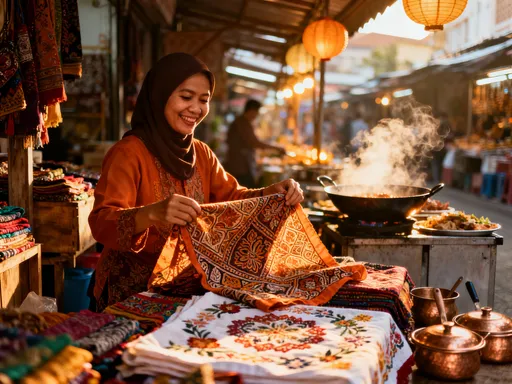
The West End Festival, held annually, is a prime example. Over a single weekend, the suburb transforms into a bustling cultural fairground. Streets close to traffic, making way for food stalls serving everything from sizzling Vietnamese banh mi to West African jollof rice. Children paint masks in community art zones while elders teach traditional weaving techniques under shaded tents. The air fills with the scent of lemongrass, coconut, and charcoal-grilled meats. Live stages host performances from Polynesian dance groups, Latin salsa bands, and Indigenous storytellers, creating a soundtrack that’s as diverse as the crowd.
But the magic isn’t limited to one big event. Throughout the year, smaller gatherings keep the spirit alive. A Samoan family might host a Sunday afternoon fa’alavelave, opening their yard to neighbors for food, song, and blessings. A group of Colombian residents organizes monthly arepa nights in a community hall, complete with live cumbia music and dance lessons. These aren’t tourist attractions—they’re acts of cultural sharing, rooted in hospitality and pride. For visitors lucky enough to be invited or informed, they offer rare access to traditions that are rarely seen outside private circles.
What makes these events so powerful is their emphasis on participation. Guests aren’t passive observers; they’re encouraged to try on traditional dress, join a drum circle, or learn a few words in a new language. A mother from Sudan might teach a visitor how to wrap a hijab, while a Tongan elder shares the meaning behind a kava ceremony. These interactions foster genuine connection, breaking down barriers through shared experience. In a world where cultural differences are often politicized, West End’s festivals remind us that joy, food, and music are universal languages.
Fortitude Valley’s Underground Scene: Music, Art, and Late-Night Energy
Fifteen minutes from the riverfront calm of South Bank, Fortitude Valley thrums with a different kind of energy—one that’s raw, creative, and unapologetically independent. Known for its nightlife, the Valley is also home to a thriving underground arts scene, where music, visual art, and performance collide in unexpected ways. While mainstream clubs draw crowds with big-name DJs, the real festival spirit lives in smaller venues, alleyway galleries, and pop-up spaces where local talent takes center stage.
Venues like The Zoo and Crowbar have long been incubators for emerging bands, hosting gigs that range from punk rock to soulful indie folk. These shows aren’t polished productions—they’re sweaty, intimate, and electric with possibility. Fans stand shoulder to shoulder, singing along to lyrics they’ve never heard before, caught up in the thrill of discovery. Meanwhile, the annual Laneway Series brings cutting-edge Australian and international acts to outdoor stages, creating festival-like energy in the middle of the city. The crowd is young, curious, and deeply engaged—less interested in spectacle than in authentic musical connection.
Art, too, spills into the streets. On any given weekend, guided graffiti walks introduce visitors to the Valley’s ever-changing murals, each with its own story and style. Local collectives transform blank walls into vibrant canvases, often collaborating with community groups or schools. Vinyl markets pop up in old retail spaces, where collectors browse rare pressings while DJs spin in the corner. Late at night, performance artists take over laneways with impromptu dance pieces or spoken word poetry, turning the urban landscape into a living stage.
For visitors, exploring this scene requires an open mind and a respectful attitude. These spaces are not theme parks—they’re real, lived-in parts of the city’s creative ecosystem. Dressing appropriately, arriving on time, and engaging politely go a long way. But for those willing to step off the beaten path, the rewards are immense: the chance to witness art in its most unfiltered form, to hear a band before they’re famous, or to feel the pulse of a city that never stops creating.
Practical Tips for Experiencing Hidden Festivals Like a Local
Finding Brisbane’s hidden festivals isn’t about following a guidebook—it’s about tuning into the city’s rhythm. The best way to discover these events is through local channels: community noticeboards, library event calendars, and neighborhood Facebook groups. Websites like Eventbrite and Resident Advisor are also valuable, especially for music and art happenings. Signing up for newsletters from cultural centers, such as the Brisbane Powerhouse or the Judith Wright Arts Centre, can provide early access to niche programs and pop-up events.
Timing is crucial. The best season to experience Brisbane’s festival culture is from September to December, when the weather is mild and outdoor events are in full swing. Spring brings garden festivals, riverside concerts, and the lead-up to major events like Riverfire. Early summer sees a surge in community markets and street parties, especially in West End and the Valley. While winter is quieter, it’s not without charm—Indigenous cultural nights and indoor art exhibitions offer cozy, meaningful alternatives.
Getting around is easy thanks to Brisbane’s public transport network. The CityCat ferries not only provide scenic rides but also connect key cultural hubs along the river. Buses and trains serve the suburbs efficiently, and bike paths make self-guided exploration safe and enjoyable. For late-night events, ride-sharing services or designated drivers are recommended, especially when venturing into areas unfamiliar to visitors.
Perhaps most importantly, visitors should approach these spaces with respect. These festivals are not performances for outsiders—they’re community gatherings with deep personal and cultural significance. Dress modestly when attending cultural or spiritual events, ask before taking photos, and participate rather than spectate. A simple “thank you” in the host community’s language can go a long way. Above all, come with curiosity, not expectation. The goal isn’t to check off a list, but to be present, to listen, and to connect.
Why Authentic Festival Culture Matters—And How to Protect It
As Brisbane grows in popularity, its hidden festivals face a delicate challenge: how to share their magic without losing it. The very qualities that make these events special—intimacy, authenticity, community ownership—are also what make them vulnerable to overexposure. When too many outsiders arrive, treating gatherings as photo ops rather than participatory experiences, the atmosphere can shift from warm to performative. The line between appreciation and appropriation is thin, and crossing it can erode trust and dilute meaning.
Preserving these festivals isn’t about keeping them secret—it’s about engaging with them mindfully. Travelers can help by supporting local creators, whether by buying handmade goods, donating to community funds, or simply showing up with respect. Choosing to attend smaller events over commercialized ones sends a message: authenticity matters. Equally important is leaving no trace—physically and emotionally. That means cleaning up after oneself, honoring cultural protocols, and resisting the urge to treat sacred moments as content for social media.
Local governments and organizations also have a role. By funding grassroots initiatives, protecting public spaces, and promoting inclusive programming, they can ensure that festival culture remains accessible and representative. Policies that prioritize community input over profit-driven development help maintain the balance between growth and preservation.
At its core, festival culture is about belonging. It’s about creating spaces where people feel seen, heard, and connected. For visitors, the opportunity to witness—or better yet, join—these moments is a gift. It’s a reminder that travel isn’t just about seeing new places, but about feeling part of something larger. So seek out the quiet drum circle, the backyard art show, the riverside dance under the stars. Not for the photo, but for the feeling. Because in the end, the most unforgettable journeys aren’t measured in miles—they’re measured in moments of true connection.