You Won’t Believe These Ushuaia Cityscape Shots – Hidden Gems Uncovered
Nestled at the southernmost tip of Argentina, Ushuaia isn’t just the gateway to Antarctica—it’s a photographer’s dream. I never expected such raw beauty where mountains kiss the sea and colorful houses cling to rugged hills. The cityscape here is wild, untamed, and absolutely cinematic. From golden sunrises over the Beagle Channel to misty evenings in the downtown alleys, every corner tells a story. If you're chasing authentic, soul-stirring urban views, Ushuaia delivers—no filters needed.
The Edge of the World Vibe – Why Ushuaia’s Cityscape Stands Out
Ushuaia’s distinction as the southernmost city in the world is more than a geographical footnote—it’s the foundation of its visual identity. Positioned on the island of Tierra del Fuego, where the Andes meet the Southern Ocean, the city exists in a constant dialogue between human habitation and untamed nature. This contrast defines its cityscape: wooden houses with steeply pitched roofs cling to steep hillsides like climbers on a cliff face, while behind them, the Martial Mountains rise into mist-laden peaks that rarely lose their winter crown, even in summer. The urban layout feels organic, almost improvised, shaped by the land rather than imposed upon it. Unlike cities built on flat plains with grid-like precision, Ushuaia sprawls upward and outward in response to the terrain, creating dynamic lines and unexpected vantage points at every turn.
What sets Ushuaia apart from other remote destinations is its surprising vibrancy. Despite its isolation—over 1,000 kilometers from the nearest major city—the streets pulse with life. Cafés spill onto sidewalks, souvenir shops display hand-knitted woolens, and tour operators advertise excursions to penguin colonies and glacier hikes. Yet, within minutes of stepping away from the main avenues, silence returns. The hum of conversation fades, replaced by the rustle of wind through native lenga trees and the distant cry of gulls over the Beagle Channel. This duality—between accessibility and solitude, between urban comfort and frontier ruggedness—creates a powerful emotional resonance for photographers. Each image captured here doesn’t just document a place; it evokes a feeling of standing at the edge of civilization, where every light in a window represents a defiance of the elements.
For travelers seeking authenticity, Ushuaia’s cityscape offers something rare: a community visibly shaped by its environment. Houses are painted in warm, earthy tones—rust red, forest green, mustard yellow—not for aesthetic trends, but to withstand long, dark winters and to remain visible through heavy snowfall. Power lines follow the curves of the hills rather than cutting straight across, and roads end abruptly where the forest begins. There’s no attempt to tame the landscape completely, and this honesty translates into compelling visual storytelling. Whether framed at golden hour or shrouded in fog, Ushuaia’s urban scenes feel earned, not curated.
Sunrise at the End of the Earth – Capturing Light on the Beagle Channel
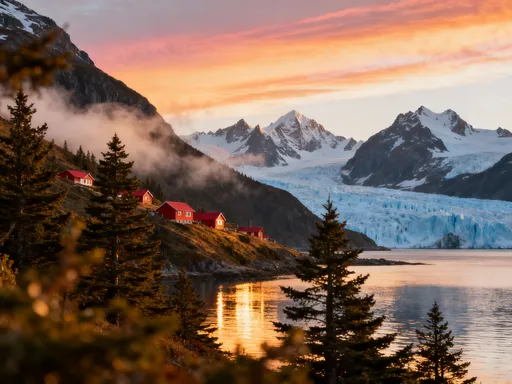
One of the most transcendent experiences in Ushuaia is witnessing sunrise along the Beagle Channel, especially from the quiet stretches near the old port or the walking paths that follow the southern coastline. As the first light creeps over the jagged peaks across the water, the sky shifts from deep indigo to soft lavender, then ignites into streaks of coral and gold. The stillness of the early morning amplifies every visual detail: the reflection of wooden piers in glassy water, the silhouette of distant fishing boats, and the slow awakening of the city as lights flicker on in hillside homes. This is when Ushuaia feels most cinematic—a living postcard painted in natural light.
For photographers, timing is essential. In summer, sunrise occurs around 6:30 a.m., giving ample opportunity to reach a good vantage point before the cruise ships begin docking and the streets fill with tourists. Winter sunrises are later and shorter, but the low angle of the sun creates longer shadows and more dramatic contrasts. The ideal conditions include calm winds and partial cloud cover, which diffuse the light and add texture to the sky. A clear sky, while beautiful, can result in flat lighting if the sun rises too quickly. A slight haze or morning mist often enhances the mood, wrapping the waterfront in a soft glow.
From a technical standpoint, using a tripod is highly recommended to stabilize long exposures, particularly when capturing the delicate reflections on the water. A polarizing filter can help reduce glare and deepen the colors of the sky and wooden structures. For composition, include foreground elements such as moored buoys, weathered docks, or native grasses to add depth. Shooting in RAW format allows for greater flexibility in post-processing, especially when balancing the dynamic range between bright skies and shadowed hills. The key is patience—waiting for the precise moment when the sun clears the peaks and bathes the city in warm, golden light. That fleeting window, often lasting no more than 15 minutes, can yield some of the most powerful images of the trip.
Downtown in the Mist – Moody Urban Scenes in Ushuaia’s Heart
While many visitors rush to panoramic viewpoints, some of Ushuaia’s most intimate and evocative photography opportunities lie in the quiet streets of its historic center. Early mornings, particularly in autumn and winter, often bring a gentle mist that settles over the city like a veil. Smoke curls from chimneys, condensation clings to windowpanes, and cobblestone lanes glisten with dew. In these conditions, the downtown area transforms into a stage for quiet, story-rich compositions—scenes that feel timeless, almost literary in their atmosphere.
The blocks between San Martín Avenue and 25 de Mayo Street offer some of the most photogenic urban textures. Here, traditional wooden houses with steep roofs and intricate fretwork stand shoulder to shoulder, their colors softened by years of wind and rain. Many retain original details—hand-carved balconies, wrought-iron railings, and small gardens protected by wooden fences. These streets are rarely crowded at dawn, allowing photographers to move freely and compose without distraction. The absence of modern signage in many areas enhances the sense of stepping into another era, where daily life unfolds at a slower pace.
To capture the mood effectively, consider using a medium telephoto lens (70–135mm) to isolate details—a steamed-up window, a cat curled on a doorstep, a bicycle leaning against a wall. These small moments, when framed thoughtfully, convey the soul of the city more powerfully than wide-angle shots of famous landmarks. Shooting in black and white can further emphasize texture and contrast, turning foggy alleys into dramatic studies in light and shadow. A key tip is to watch for movement: a resident opening a shutter, a dog trotting down a lane, or a delivery van navigating a narrow street can add narrative depth to a still image. These are not staged scenes but authentic glimpses into local life, made all the more poignant by the quiet solitude of the early hours.
The Iconic Red Domes – A Classic View with a Local Twist
No visual tour of Ushuaia would be complete without the legendary view of red-roofed houses cascading down the hills toward the Beagle Channel. This panorama, often photographed from the Las Lenguas Peninsula or the Mirador de la Cruz, has become synonymous with the city’s identity. Yet, with its popularity comes a challenge: how to capture this scene with freshness and originality, rather than simply replicating countless postcards and travel brochures?
The answer lies in timing and perspective. Most tourists arrive mid-morning, when the light is harsh and the viewpoints are crowded. By contrast, visiting just after sunrise or in the late afternoon during golden hour transforms the scene. The low-angle light wraps around the hills, highlighting the texture of the rooftops and casting long shadows that add dimension. The water below reflects the warm tones, creating a mirror effect that doubles the visual impact. To avoid crowds, aim to arrive 30 minutes before sunrise—this not only secures a clear shot but also allows time to scout the best framing.
While the wide-angle shot of the entire city is impressive, consider narrowing your focus. Use natural elements like native calafate bushes or weathered rock formations to frame a portion of the view, creating a sense of depth and intimacy. A telephoto lens can isolate a cluster of red roofs against a backdrop of snow-capped peaks, turning a broad vista into a detailed portrait. Including subtle human elements—a clothesline strung between houses, a child’s scooter on a doorstep—adds warmth and authenticity. The goal is not to reject the iconic view, but to reinterpret it with a personal touch, revealing the lived-in character behind the postcard perfection.
Beyond the Postcard – Offbeat Angles of the City from Higher Ground
For photographers seeking unique perspectives, venturing beyond the main viewpoints is essential. A series of lesser-known trails begin just behind the city center, leading up into the lower slopes of the Martial Mountains. These paths, while not marked on every tourist map, are well-trodden by locals and offer access to elevated vantage points that remain largely absent from popular photography.
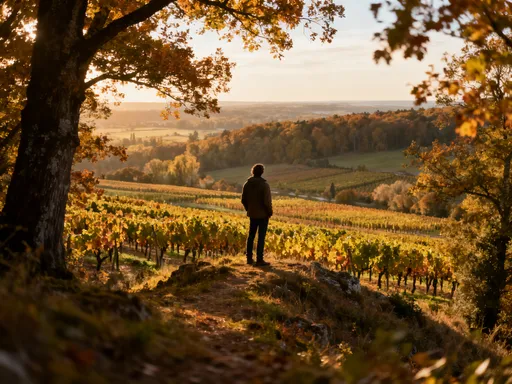
One such route starts near the end of Yapeyú Street, where a dirt path winds upward through lenga and ñire forests. After a 20- to 30-minute hike, the trees thin out, revealing an overlook that faces east toward the city’s northern edge. From here, the urban fabric unfolds in layers: rooftops overlap like shingles, streets curve around natural contours, and the Beagle Channel stretches into the distance. Unlike the front-facing panoramas, this angle captures the city in profile, emphasizing its integration with the landscape. In autumn, the golden foliage of native trees frames the scene, adding seasonal color to the composition.
Another promising location is the upper section of the Martial Glacier trail, accessible via a cable car from downtown. While most visitors ride the teleférico to the summit for glacier views, stopping at the intermediate station offers a compelling mid-level perspective. Here, the city appears nestled between mountain ridges, with plumes of chimney smoke rising into the cold air. The contrast between the rugged terrain and the compact urban core is striking, and the presence of snow, even in summer, enhances the sense of remoteness.
Safety and preparation are key when exploring these areas. Trails can be slippery after rain, and weather changes rapidly—what begins as a clear morning can turn into sleet within an hour. Sturdy footwear, layered clothing, and a waterproof backpack are essential. While these spots are safe and within reasonable distance from the city, it’s wise to inform someone of your plans and carry a fully charged phone. The reward for this modest effort is access to imagery that feels undiscovered, where the city reveals itself not as a destination, but as a living organism shaped by wind, water, and will.
Urban Meets Wild – Including Nature in Your Cityscape Frames
What truly distinguishes Ushuaia’s cityscape photography is the seamless integration of urban and natural elements. Unlike cities where nature is confined to parks or distant mountains, here the wilderness presses right up against doorsteps. A photograph of a residential street is rarely just about architecture—it’s about the house framed by a snow-dusted lenga tree, the power line shared with a perched Andean condor, or the backyard that slopes directly into a forest trail.
This proximity offers endless creative opportunities. One powerful technique is to use natural framing to draw attention to urban subjects. For example, positioning a cluster of native shrubs in the foreground can create depth while symbolizing the city’s relationship with its environment. Similarly, capturing a row of colorful houses with the Martial Mountains rising dramatically behind them emphasizes scale and context. The smallness of human structures against vast, ancient peaks tells a story of resilience and adaptation.
Wildlife, though not always predictable, can add unexpected drama. Condors, with wingspans exceeding three meters, often soar above the city in the late morning, riding thermal currents from the hills. A well-timed shot that includes one of these majestic birds in flight above the rooftops can transform an ordinary cityscape into a symbol of coexistence. Even smaller details—birds nesting in eaves, fox tracks in fresh snow near the urban fringe—remind viewers that this is not a city imposed on nature, but one that exists within it.
To emphasize this blend, consider using a narrower depth of field to focus on a specific urban element while allowing the natural background to blur slightly, creating a dreamlike effect. Alternatively, use a wide aperture to keep both foreground and background sharp, highlighting the intricate connection between built and wild spaces. The message is clear: in Ushuaia, the city doesn’t dominate the landscape—it belongs to it.
When to Shoot & How to Prepare – Practical Tips for Real Conditions
Success in Ushuaia photography depends as much on preparation as on inspiration. The region’s subpolar oceanic climate brings unpredictable weather, with wind, rain, and sudden temperature drops common even in summer. Understanding seasonal patterns is crucial. December to February (summer) offers the longest daylight—up to 17 hours—and milder temperatures, making it ideal for extended shooting sessions. March to May (autumn) brings golden foliage and fewer tourists, with softer light and increased atmospheric drama. June to August (winter) features dramatic snowscapes and intense contrasts, though daylight is limited to about eight hours. September to November (spring) sees melting snow and returning wildlife, with variable conditions that test a photographer’s adaptability.
Gear should be chosen with resilience in mind. A weather-sealed camera body and lenses are highly recommended, as moisture and wind are constant companions. Lens cloths should be carried at all times—fog and spray can fog optics within minutes. A sturdy tripod with rubberized feet performs best on uneven or icy ground. A polarizing filter enhances sky and water contrast, while neutral density filters allow for creative long exposures, such as smoothing wave motion in channel shots. A backpack with padded compartments and external attachment points helps organize equipment while keeping hands free on trails.
Local etiquette matters. While most public spaces are open to photography, it’s respectful to ask before photographing individuals, especially in residential areas. Many locals are welcoming and may even share stories about their homes or neighborhoods if approached politely. Walking is the best way to explore—Ushuaia’s compact center is pedestrian-friendly, and quiet side streets often yield the most authentic moments. Comfortable, waterproof boots are essential, as sidewalks can be uneven and streets may flood during heavy rain.
Finally, embrace the imperfections. A gust of wind that blurs a shot might also capture the motion of a flag or swaying tree, adding energy. Sleet on the lens can create a dreamy haze. Fog, often seen as an obstacle, can become the star of the image, wrapping the city in mystery. These are not failures, but features of a place that refuses to be tamed. The best photographs from Ushuaia often come not from perfect conditions, but from the willingness to adapt, observe, and feel the pulse of a city that thrives at the edge of the world.
Ushuaia’s cityscape isn’t polished—it’s alive, rugged, and unapologetically real. These photos aren’t just images; they’re proof of a place where humanity clings to the edge of the wild. With the right mindset and timing, you don’t just capture the city—you feel it.