You Won’t Believe These Hidden Viewpoints in the Loire Valley
If you think the Loire Valley is just castles and wine, think again. I stumbled upon some of the most breathtaking overlooks that aren’t in any guidebook. Nestled between vineyards and forests, these spots offer soul-stirring views you have to see to believe. This is about more than sightseeing—it’s about finding magic where few look. Let me take you to places that changed how I see beauty. From the hush of a riverside clearing at dawn to the golden glow of vineyards from a hilltop path, the Loire reveals its quietest wonders when you step beyond the postcard scenes. These are the moments that linger long after the trip ends.
Beyond the Tourist Trail: Discovering the Loire’s Secret Perspectives
The Loire Valley, a UNESCO World Heritage site, is celebrated for its fairy-tale châteaux, rolling vineyards, and the gentle flow of France’s longest river. Images of Chambord’s double-helix staircase or Chenonceau spanning the Cher River dominate travel brochures, and for good reason—these landmarks are architectural masterpieces. Yet, focusing only on the famous sites means missing a deeper layer of the region’s charm. The true essence of the Loire often lies beyond the gates, in the quiet spaces between castles, where the land breathes and the light shifts in subtle, unforgettable ways.
Many visitors follow the same well-trodden routes, clustering at entrance gates by mid-morning and crowding viewpoints by noon. While these experiences are valuable, they often lack intimacy. The magic of travel, especially for those seeking meaningful connection and personal reflection, comes from discovery—not just observation. Hidden viewpoints offer that sense of discovery. They are not marked with signs or listed in audio tours, but they reward the curious traveler with solitude, beauty, and a renewed sense of wonder.
What makes these overlooked vantage points so powerful is their ability to transform a sightseeing trip into a sensory journey. A viewpoint is not merely a location; it is a moment—a convergence of light, landscape, and stillness. Standing on a quiet hillside as morning mist lifts from the river, or watching the sun dip behind a row of cypress trees near a forgotten chapel, creates memories that outlast any souvenir. These experiences invite mindfulness, encouraging travelers to slow down and truly absorb their surroundings.
For women in their 30s to 50s, many of whom balance family, work, and personal well-being, such moments are especially precious. Travel becomes not just an escape, but a form of renewal. The Loire Valley, with its gentle pace and timeless beauty, offers the perfect setting for this kind of journey. By seeking out lesser-known perspectives, travelers gain more than stunning photos—they gain space to breathe, reflect, and reconnect with what matters most.
Château Rooftops with a Twist: Unique Angles on Iconic Castles
The grand châteaux of the Loire are best appreciated not only from ground level but from above. While most visitors admire these palaces from the gardens or courtyards, few consider the transformative experience of viewing them from elevated vantage points. Some châteaux, like Chambord and Amboise, offer access to towers or rooftop terraces, especially during early morning hours when visitor numbers are low. Climbing these heights rewards travelers with panoramic views that reveal the full scale and symmetry of the architecture, as well as the surrounding landscape’s harmony with the structures.
At Château de Chambord, arriving just after opening allows access to the central keep’s rooftop before crowds gather. From this height, the intricate roofline—often described as a “stone forest”—unfolds in all its complexity. The view extends beyond the château’s walls, encompassing the vast forested estate and the geometric precision of the original hunting grounds. This perspective shifts the focus from ornamentation to intention, offering insight into the Renaissance vision of man and nature in balance.
Similarly, Château d’Amboise provides access to its terraced ramparts, which rise above the Loire River. At sunrise, the water glimmers under soft light, and the town below stirs slowly to life. The contrast between the château’s stone grandeur and the river’s quiet flow is especially striking from this elevation. For those interested in history, the view also includes the Saint-Hubert Chapel, where Leonardo da Vinci is believed to be buried—a subtle reminder of the region’s deep cultural roots.
To make the most of these elevated experiences, timing is essential. Arriving at opening time not only ensures fewer people but also captures the soft, diffused light ideal for photography and contemplation. Comfortable walking shoes are recommended, as some staircases are narrow and steep. While rooftop access may not be suitable for all visitors, the effort is often worth the solitude and perspective gained. These vantage points transform familiar landmarks into something deeply personal—no longer just monuments, but living parts of the landscape.
Riverside Lookouts: Where the Loire Shines at Golden Hour
The Loire River, meandering through the heart of the region, is more than a geographical feature—it is a mirror of light, color, and calm. While many tourists view the river from bridges or boat decks, some of the most poetic moments occur along secluded riverbanks, particularly during golden hour. This period, just after sunrise or before sunset, bathes the water in warm hues, turning even ordinary stretches into scenes of quiet majesty.
One of the best locations for sunset viewing is along the eastern bank near Amboise, where a quiet path follows the river past willow trees and natural clearings. From here, the view opens toward the town’s silhouette, with the château perched above. As the sun lowers, the water reflects the sky in shades of amber and rose, creating a sense of stillness that feels almost sacred. Birdsong fades, and the only sound is the gentle lap of water against the shore—perfect for quiet reflection or a peaceful moment with a loved one.
Near Blois, another hidden stretch offers unobstructed views across the river toward the forested hills beyond. This area is less developed, with minimal signage, making it easy to overlook. Yet, it provides one of the most authentic experiences of the Loire’s natural beauty. A short walk from the main road leads to a grassy bank where one can sit and watch the light change minute by minute. Photographers will appreciate the lack of glare and the soft, even illumination that enhances detail without harsh shadows.
Safety and accessibility are important considerations. These riverside spots are generally safe during daylight and early evening, but it’s wise to visit with a companion and carry a flashlight if staying past dusk. The terrain can be uneven, so sturdy footwear is advisable. For families or those with limited mobility, some areas may require careful navigation, but the rewards—serenity, beauty, and a deep connection to nature—are well worth the effort. These riverside lookouts remind us that the most powerful travel experiences often come not from grand events, but from quiet moments of presence.
Vineyard High Points: Overlooking the Val de Loire’s Wine Heartland
The Loire Valley is one of France’s most diverse wine regions, producing crisp whites from Sancerre, aromatic Vouvrays, and delicate rosés from Anjou. While wine tasting is a popular activity, few travelers consider the beauty of the vineyards themselves—especially when viewed from above. Elevated walking trails in the Sancerre and Vouvray areas offer sweeping panoramas of meticulously tended rows, where the land seems to ripple like fabric in the wind.
In Sancerre, a marked footpath known as the “Sentier des Vignobles” climbs gently from the village to a ridge overlooking the eastern vineyards. From this height, the patchwork of green and gold stretches toward the horizon, broken only by the occasional stone farmhouse or cypress-lined driveway. The air carries the faint scent of earth and grape leaves, especially in late summer. This is not just a view—it is an immersion in the rhythm of the seasons and the labor of generations.
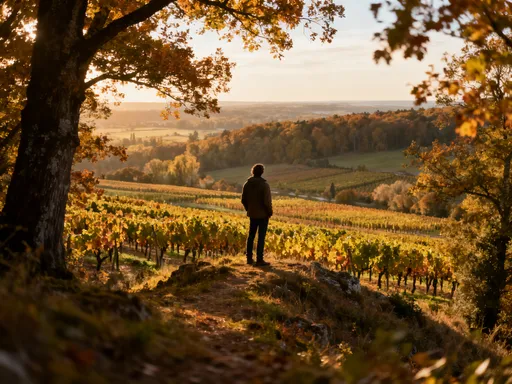
Vouvray offers a different perspective, with south-facing slopes that catch the sun throughout the day. A quiet trail behind the village leads to a natural overlook where the Loire River curves below, framing the vineyards in a wide arc. In autumn, the vines turn golden, and the landscape glows with warmth. This is an ideal time for photography, as the low sun enhances texture and depth. Many local winemakers welcome visitors for tastings after a walk, making it easy to combine scenic exploration with sensory indulgence.
For those planning a self-guided tour, regional tourism offices provide detailed maps and brochures highlighting approved walking routes. These paths are well-maintained and marked with directional signs, ensuring safety and ease of navigation. It’s important to respect private property by staying on designated trails and avoiding trampling vines. By doing so, travelers support sustainable tourism and preserve the beauty of these landscapes for future visitors. The combination of physical activity, natural beauty, and local flavor makes vineyard high points some of the most rewarding stops on any Loire itinerary.
Forest Clearings and Hilltop Paths: Nature’s Own Observation Decks
Beyond the châteaux and vineyards, the Loire Valley is home to vast woodlands that offer solitude and unexpected vistas. The Forêt de Loches, one of the region’s largest forests, is often bypassed by tourists in favor of more famous attractions. Yet, within its quiet depths lie natural clearings and elevated paths that open up to sweeping views of the surrounding countryside. These spots function as nature’s own observation decks—unplanned, unmarked, and all the more special for it.
One such clearing, accessible via a gentle loop trail from the village of Saint-Règle, emerges suddenly from the trees to reveal a panoramic view of the Loire floodplain. In spring, wildflowers carpet the ground, and birdsong fills the air. By late summer, the grasses turn golden, and the distant châteaux appear like mirages on the horizon. The contrast between the dense forest and the open valley creates a powerful sense of transition—a feeling of emerging into light after a journey through shadow.
Seasonal changes dramatically affect the forest’s character. In autumn, the trees blaze with color—maples, oaks, and beeches turning in waves of red, orange, and gold. This is one of the most photogenic times to visit, though early mornings are best to avoid leaf-peepers. Winter brings a different kind of beauty: bare branches etched against gray skies, frost on the path, and the occasional deer moving silently through the underbrush. Each season offers its own rewards for those willing to walk a little farther.
Navigation in these areas requires preparation. While some trails are well-marked, others are less formal and may not appear on digital maps. Carrying a physical map from the local tourist office and a fully charged phone is recommended. Trails are generally safe, but it’s wise to inform someone of your route and expected return time, especially when traveling alone. These forest paths are not about conquering distance, but about slowing down and noticing details—a fallen log covered in moss, the pattern of sunlight through leaves, the distant call of a woodpecker. In these moments, the forest becomes a sanctuary, offering peace and perspective in equal measure.
Village Balconies and Quiet Corners: Local Life Meets Stunning Scenery
Some of the most intimate and authentic viewpoints in the Loire Valley are found in its small hilltop villages, where daily life unfolds against a backdrop of timeless beauty. Places like Montlivault, Chaumont-sur-Loire, and Lignières-de-Touraine are not major tourist destinations, but they offer something even more valuable: a chance to experience the region as locals do. These villages often sit on gentle rises, providing natural terraces with panoramic views of the surrounding countryside.
In Montlivault, a small café on the village square doubles as an impromptu observation point. Sitting with a coffee in the morning, one can watch the mist rise from the nearby marshlands while farmers begin their day in the fields. The churchyard, slightly elevated, offers an even broader view, especially in the late afternoon when the light slants across the valley. There’s no admission fee, no crowd, no schedule—just the quiet pleasure of being present.
Chaumont-sur-Loire, best known for its garden festival, also has quieter corners that reward exploration. A footpath behind the church leads to a grassy slope overlooking the Loire, where picnickers and dog walkers gather on weekends. From here, the river appears as a silver ribbon winding through green fields. The atmosphere is relaxed, unhurried—exactly the pace many travelers seek but struggle to find.
Interacting with residents in these villages can enhance the experience, provided it’s done with respect and discretion. A simple “bonjour” when passing on a narrow street, or a smile at the local bakery, goes a long way. Most locals are accustomed to visitors and appreciate polite curiosity. These small exchanges humanize the journey, turning a scenic tour into a cultural encounter. The charm of these villages lies not just in their views, but in the way beauty and daily life coexist—gently, naturally, without fanfare.
Putting It All Together: Crafting Your Own Viewpoint Journey
Designing a trip around hidden viewpoints requires a shift in mindset—from checking off landmarks to seeking moments. The most fulfilling journeys in the Loire Valley balance the iconic with the intimate. A visit to Chambord or Chenonceau remains essential, but it becomes even richer when paired with a quiet sunrise on a riverside path or a midday pause on a forest overlook. The key is intentionality: choosing not just where to go, but how to be there.
Timing plays a crucial role. Spring and early autumn offer mild weather, fewer crowds, and dynamic lighting conditions. Mornings are ideal for photography and solitude, while late afternoons provide golden hour magic. Midday, when major sites are busiest, can be spent on shaded forest trails or in quiet villages, saving the most popular attractions for cooler, calmer hours.
Practical tools make exploration easier. The official Loire Valley tourism website provides downloadable maps, including those for hiking and cycling routes. Apps like Visorando or IGN Rando offer GPS-enabled trail guidance and offline access, helpful in areas with limited signal. Printed brochures from local tourist offices often include lesser-known routes not found online, making them valuable companions.
Most importantly, the best viewpoints are not always the most advertised. They are found by turning down an unpaved road, following a footpath that veers off the main trail, or simply pausing to look up. They belong to those who travel with curiosity and presence. For women seeking meaningful, rejuvenating travel, the Loire Valley offers more than scenery—it offers a chance to reconnect with beauty, stillness, and self.
The Loire Valley’s true magic lies not just in its grand châteaux but in the quiet places where landscape, light, and stillness converge. These hidden viewpoints offer more than pretty photos—they create lasting memories. By stepping slightly off the beaten path, travelers gain a deeper connection to one of France’s most poetic regions. The best views aren’t always marked on maps, but they’re always worth finding.